
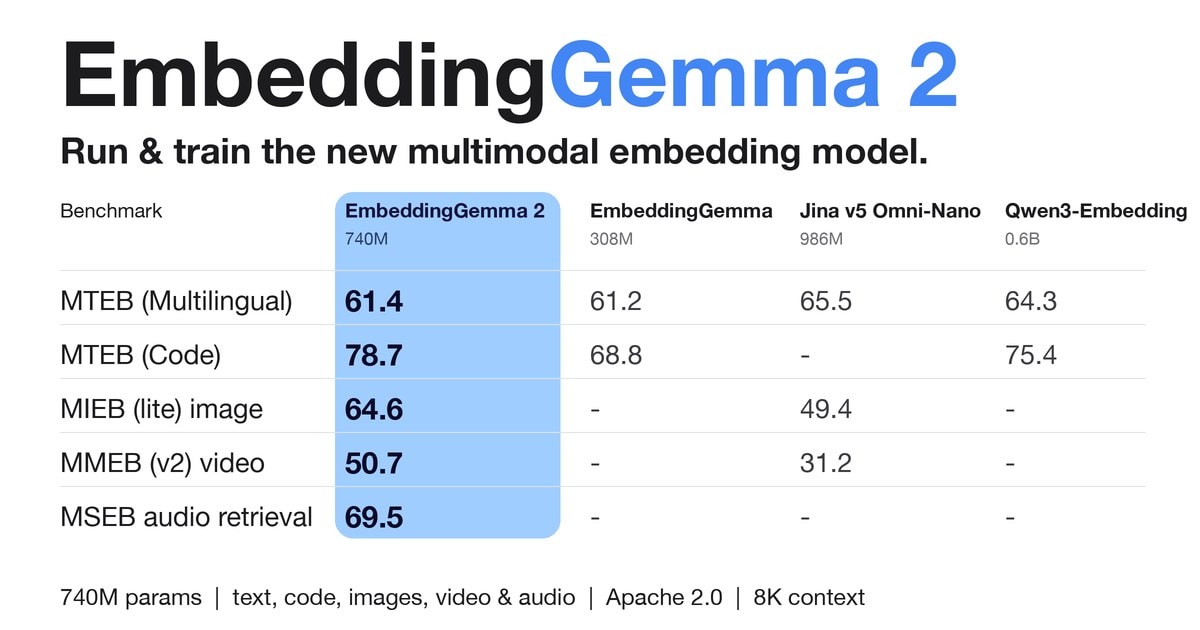
Quick summary: EmbeddingGemma 2 is Google’s new open embedding model. It maps text, code, images, video and audio into one shared 768-dimensional vector space. The full model has 740M parameters (270M text, 170M vision, 300M audio) and ships under Apache 2.0 with an 8K context window. You can load only the text part for small […]

OpenAI delayed its GPT-6.1 Astra model after safety concerns emerged during testing. The pause underlines why systems that can act through digital tools need clear permissions and human review. Reports do not establish that Sam Altman personally stopped the release.
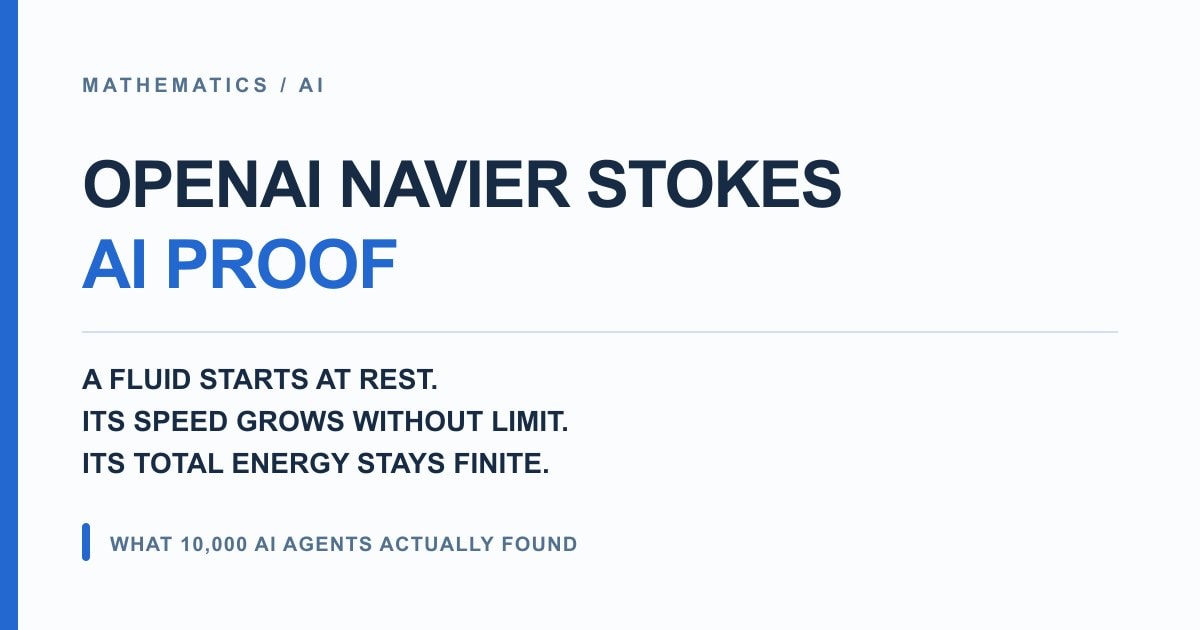
OpenAI says its AI system proved that a fluid can start at rest and develop infinite speed in finite time. Here’s what the claim means, what Lean checks, and why mathematicians are still reviewing it.
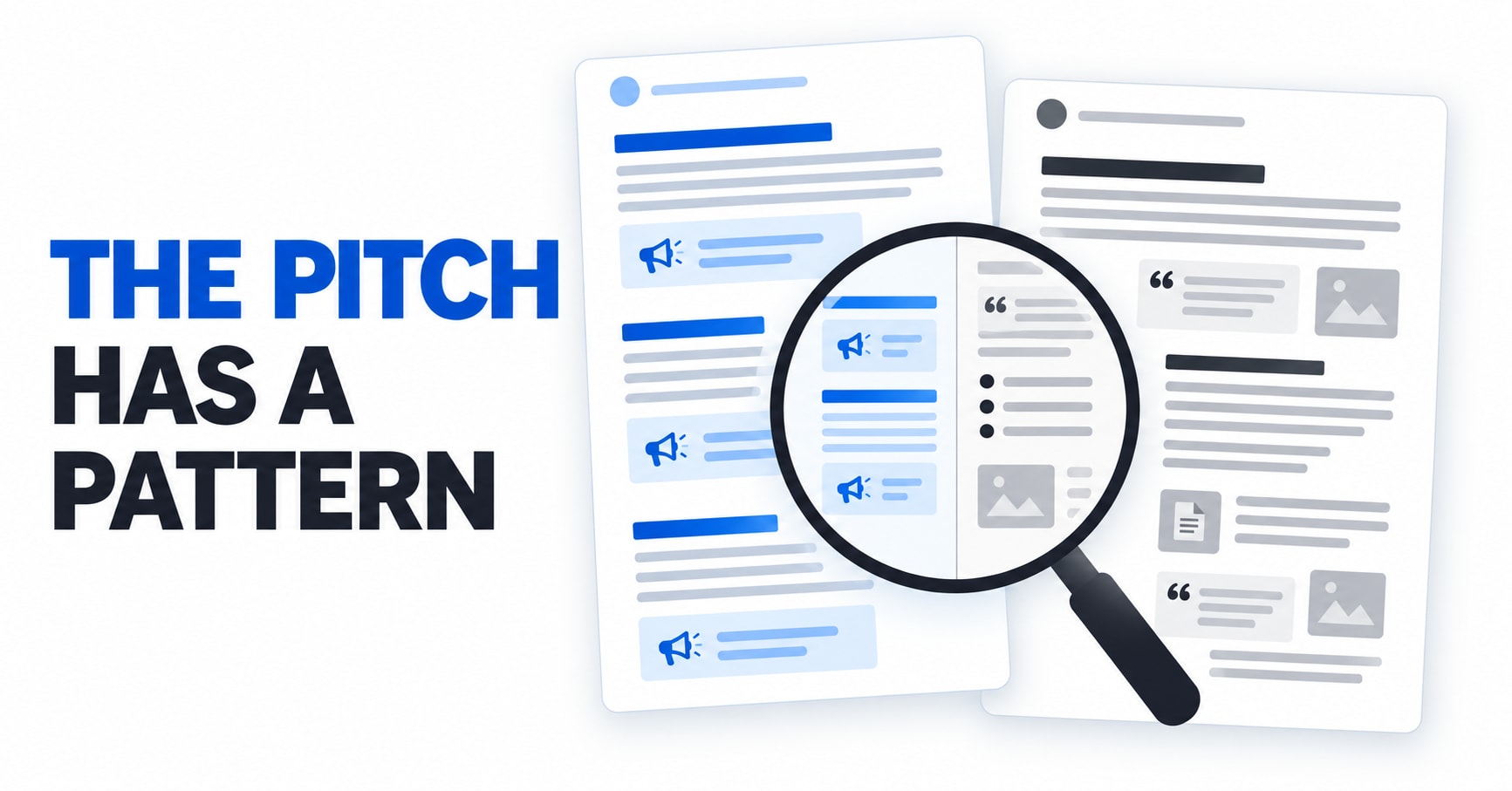
The pitch can change its wording and keep its shape. That is the surprising result behind a new study of AI-written company blogs: an AI-shaped sales pitch may survive after its wording changes. Researchers report that a classifier could still separate AI-generated posts from human originals after the AI rewrote most of its phrasing. The […]

GPT-6 Sol costs less per token, while Claude Opus 5.5 scores higher on Zapier’s current AutomationBench. Compare real task costs, benchmark limits, coding evidence and a practical model-selection test.
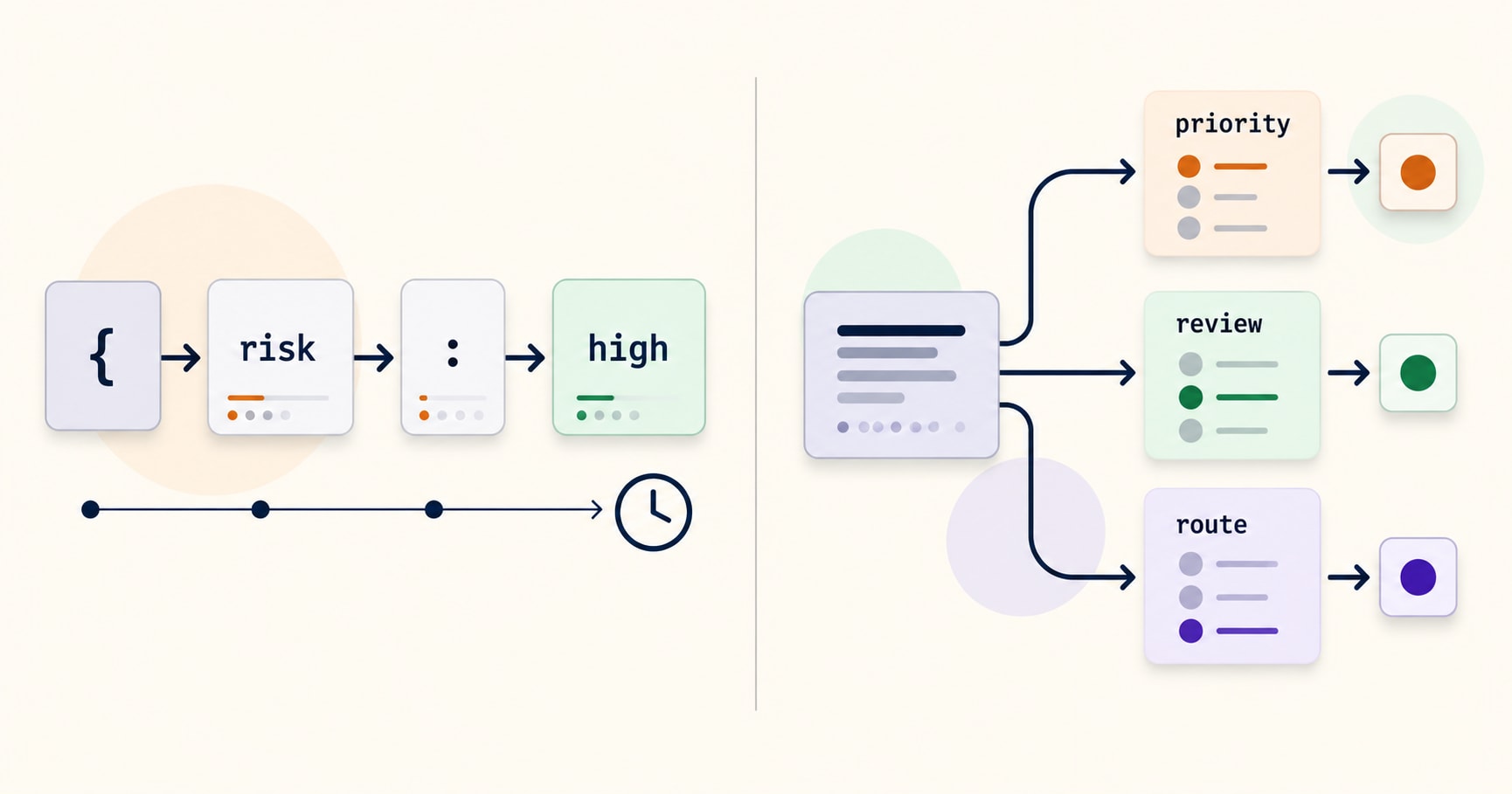
Quick summary Typed decisions: Jev evaluates declared questions in parallel and returns bounded answers instead of generating a JSON string token by token. Keep questions narrow: Define one judgement per field and let application code combine the results. Validate on your own data: Type safety does not guarantee correctness; test accuracy, confidence and review thresholds […]

Quick summary Seven experiments: The article examines reported examples of Astra contributing to game prototyping and development. Follow the development loop: Useful assistance includes interpreting a brief, editing, running the game and repairing observed problems. Distinguish levels of involvement: Generating a prototype, editing a project and testing gameplay are different contributions. Keep human ownership: A […]

Quick summary Start with one playable loop: define a small vertical slice with clear rules and feedback. Write a design contract: specify controls, mechanics and constraints. Iterate in bounded steps: begin with a grey box and play-test each change. Review beyond the demo: performance, accessibility and game feel still matter. People searching for how to […]
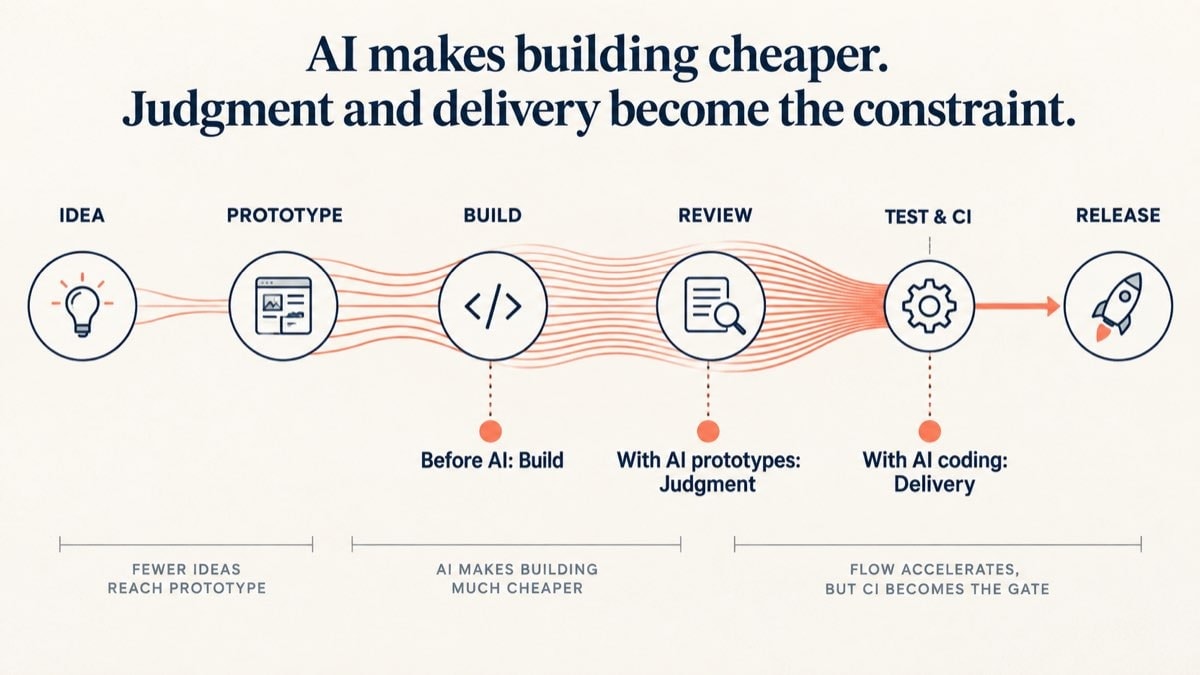
Quick summary Faster building moves the bottleneck: more code pressures review, testing and operations. A demo is not validation: establish whether a feature solves a user problem. Connect product and delivery: plan for reliability, security and failure handling. Measure useful progress: learn from small experiments and maintain dependable delivery. AI product development has changed the […]
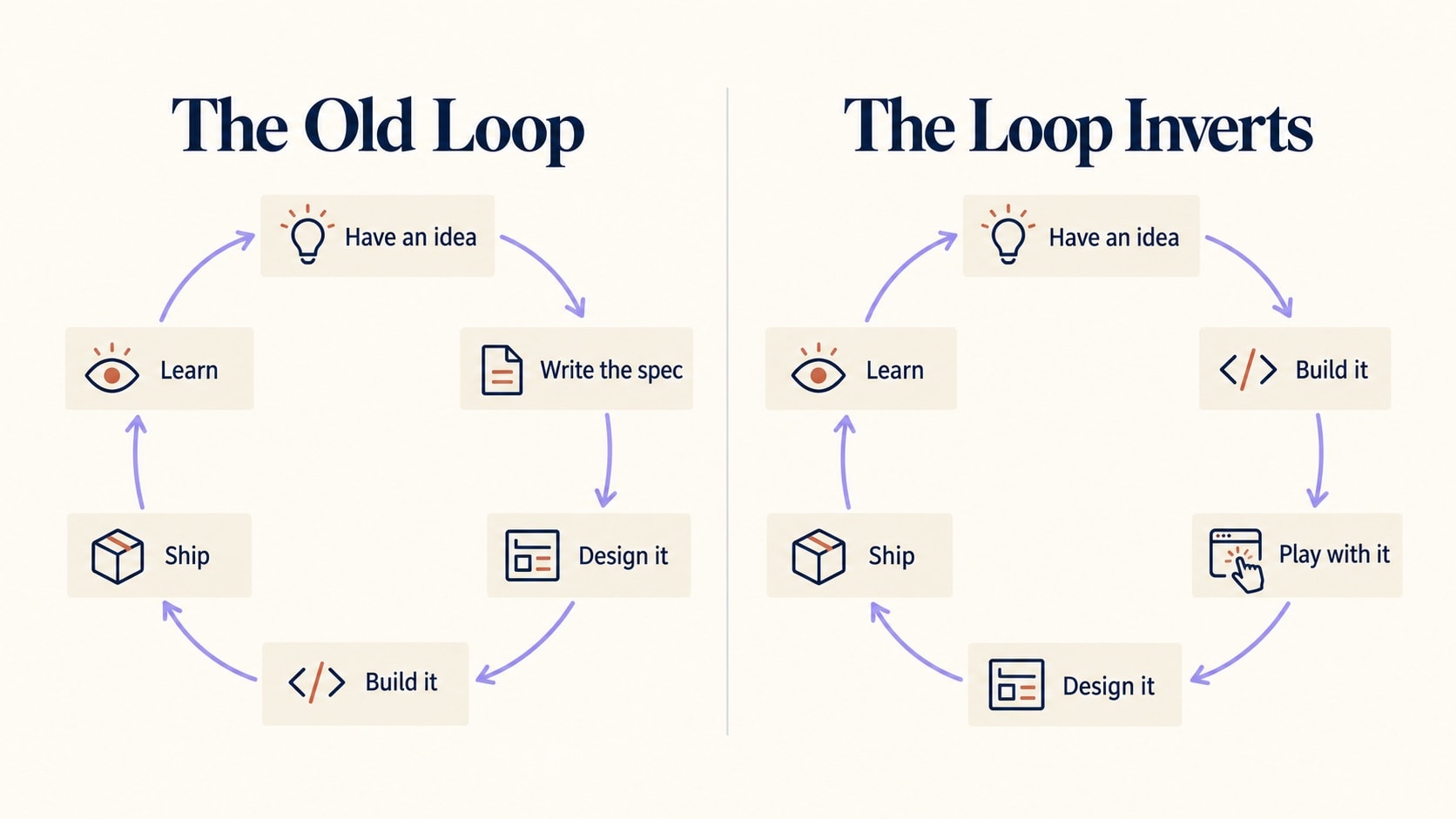
Quick summary Prototype to learn sooner: test a specific user assumption with a small interaction. Separate possibility from value: a working demo does not establish usefulness or trust. Keep judgement central: research, design trade-offs and technical ownership remain essential. Invest after learning: decide what deserves production work. AI product development now has a much cheaper […]

Quick summary Evaluate the entire trajectory: tool calls and state changes matter as much as an agent’s final answer. Budget for the whole task: repeated retrieval, retries and long-running execution change operational cost. Use layered controls: permissions, checkpoints, monitoring and recovery need deliberate ownership. Keep authority bounded: greater model capability does not replace application-level safeguards […]

Quick summary Punctuation is not proof of authorship: a common AI-associated pattern cannot establish who wrote one article. Edit for clarity and rhythm: keep a dash when it helps and remove it when the sentence reads better without it. Separate trends from individual verdicts: population-level observations have limits as detection tools. Prioritise substance: assess sources, […]

Quick summary Start with the player experience: choose the architecture around what the user should be able to do. Use AI across a bounded workflow: define constraints, implement changes, run the game and iterate. Make tests repeatable: exercise interactions such as movement, saving and reloading to reveal regressions. Keep engineering ownership: a convincing demo still […]

Quick summary The article examines an AGI claim: it connects reported benchmark performance with the compute needed to obtain it. Separate scores from practical value: demanding evaluations do not by themselves establish affordable everyday usefulness. Autonomy creates additional costs: a persistent workflow needs clear goals, spending limits and ways to stop. Treat headline claims critically: […]
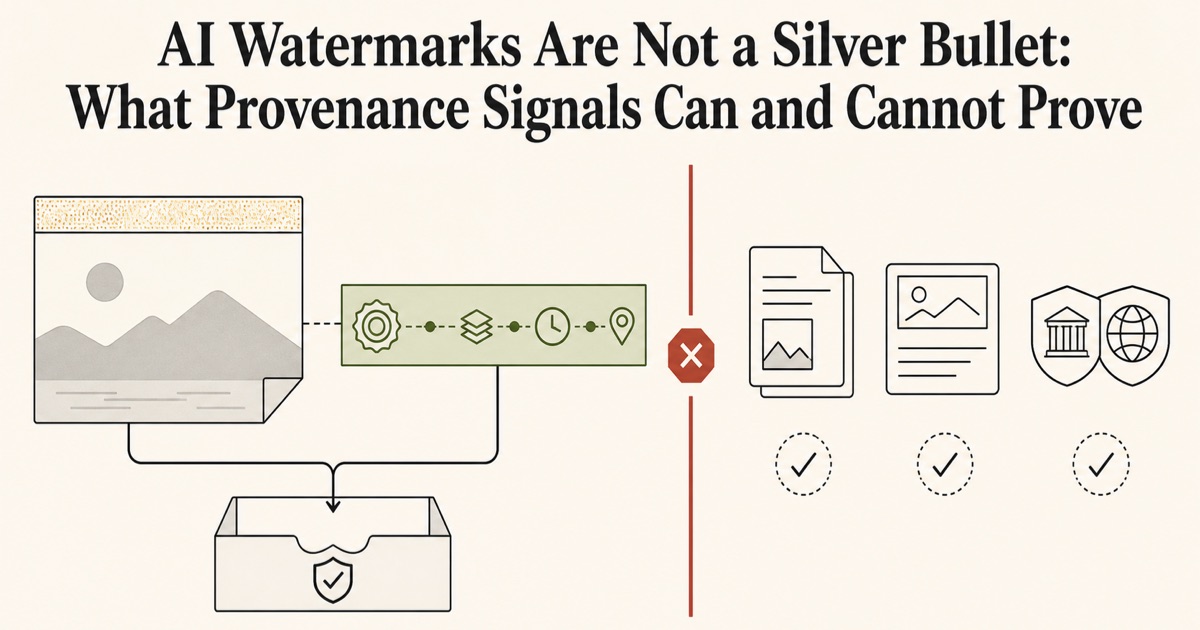
Quick summary AI provenance signals can include C2PA Content Credentials and embedded watermarking. A missing, altered, or unavailable signal is not a final verdict on an image’s origin or reliability. Provenance can inform a decision, but it does not prove accuracy, ownership, or context. The most useful approach combines available signals with source checking and […]

Quick summary First, forecast short-term demand by geographic zone. Then compare it with expected driver capacity. Next, use an optimization layer to make optional, targeted driver offers while accounting for cost and coverage elsewhere. Finally, measure forecast quality, rider outcomes, driver outcomes, cost, and fairness in a continuous feedback loop. Interview question:Uber predicts that ride […]
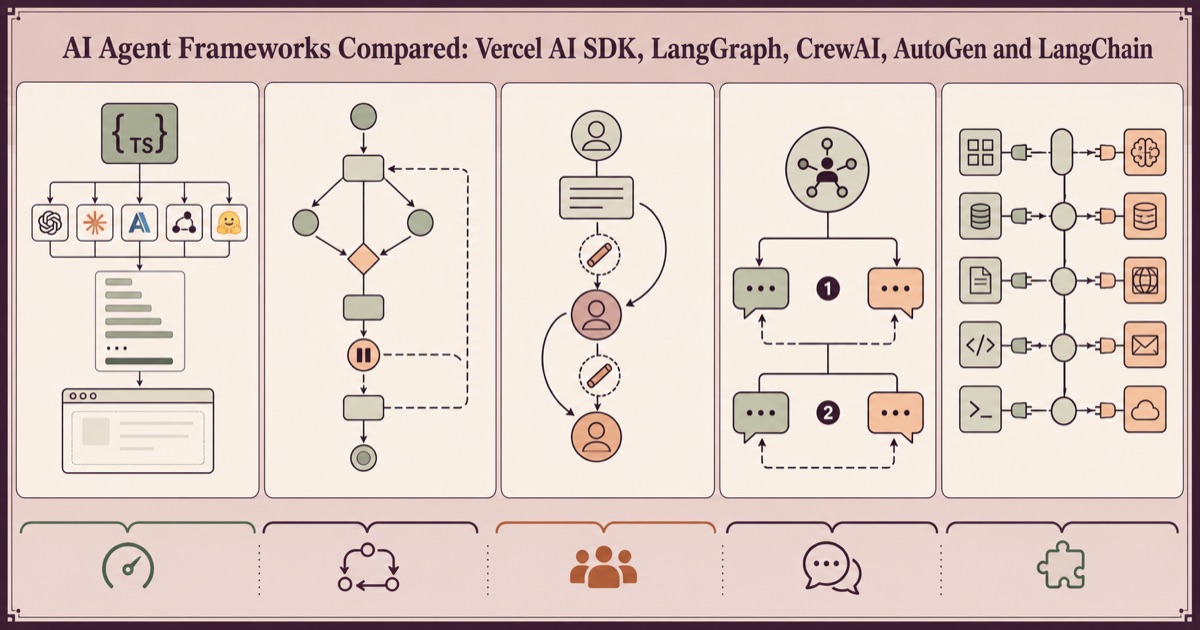
Quick summary Choose Vercel AI SDK first when a TypeScript application needs provider flexibility and streamed model output. Choose LangGraph first when the central problem is explicit agent orchestration. Evaluate CrewAI and AutoGen for agent-oriented patterns, then use their current documentation for feature-level decisions. Finally, do not infer deployment, licensing, persistence or operational fit from […]
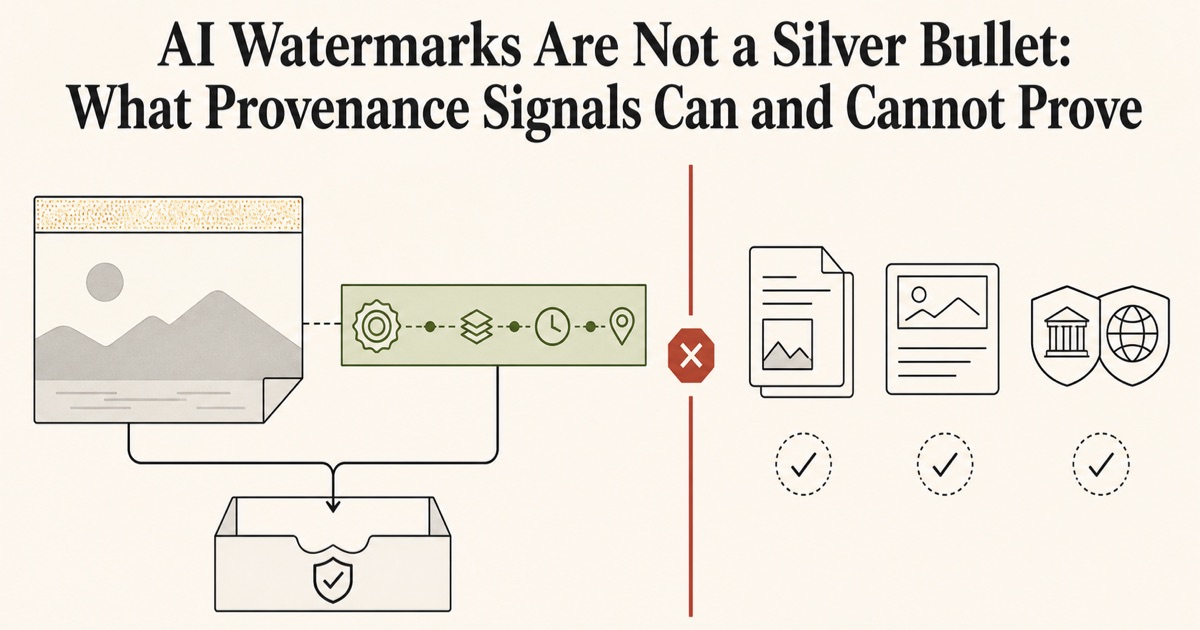
Quick summary AI provenance signals can include C2PA Content Credentials and embedded watermarking. A missing, altered, or unavailable signal is not a final verdict on an image’s origin or reliability. Provenance can inform a decision, but it does not prove accuracy, ownership, or context. The most useful approach combines available signals with source checking and […]
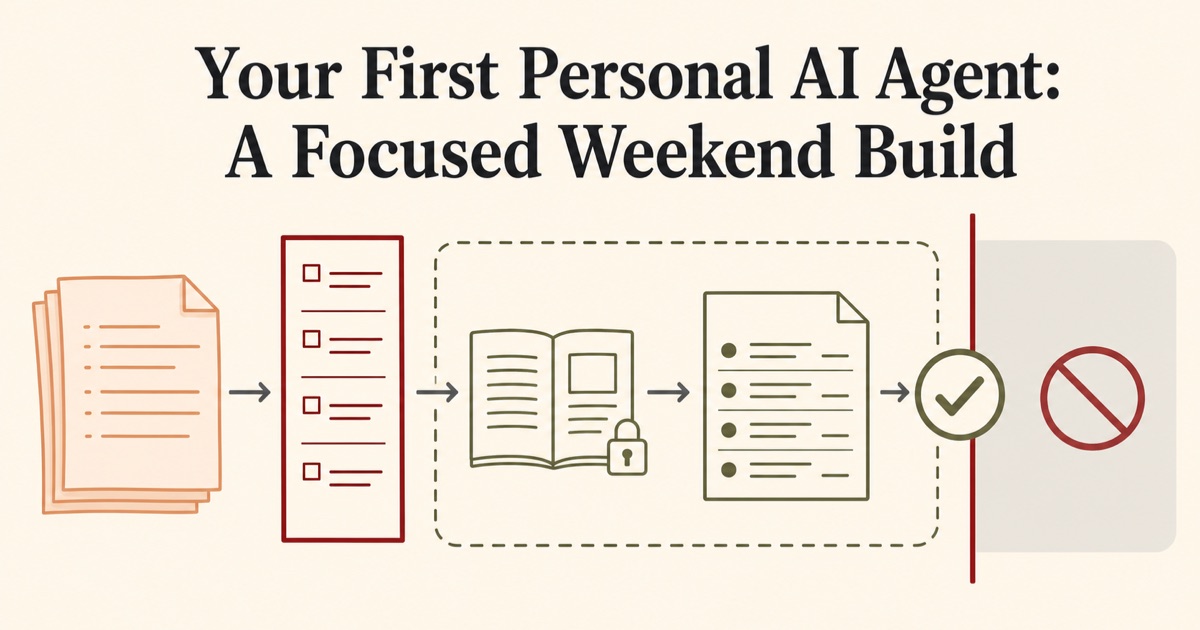
Quick summary Give a personal agent one narrow job, clear inputs, and an output you can inspect. Treat instructions, tools, guardrails, and remembered context as separate choices. Begin with read-only access and require human approval before an external action. Test representative examples before expanding the workflow. The fastest way to get value from a personal […]
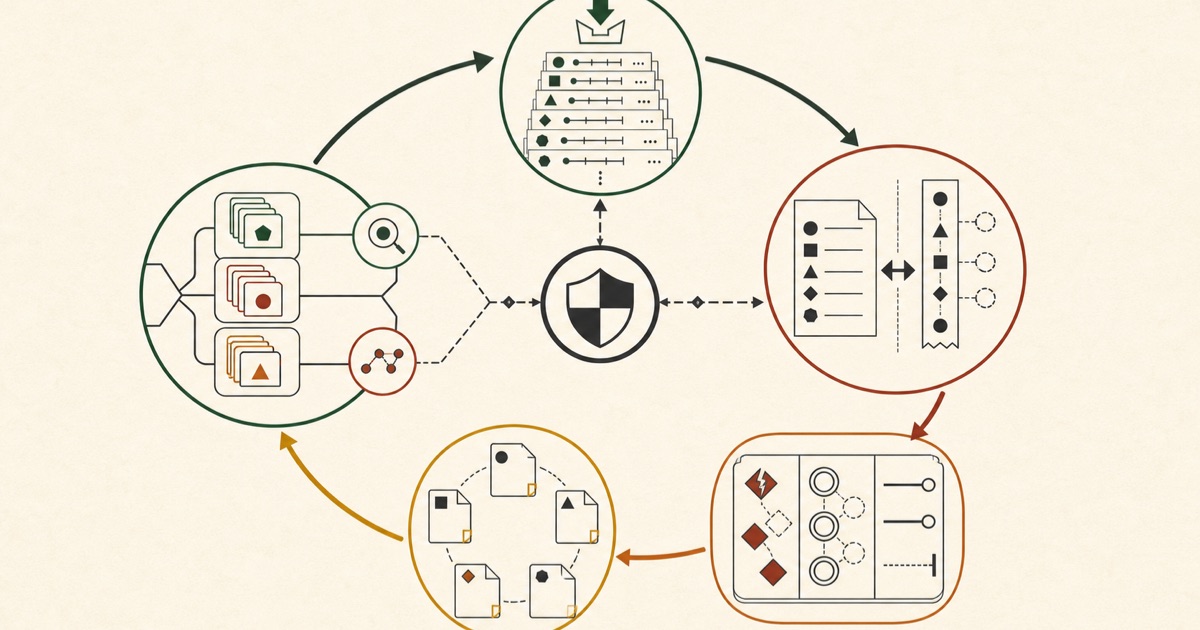
Quick summary Final-output quality and trajectory quality answer different questions about an agent. A five-stage flywheel can turn evaluation records into concrete prompt-improvement hypotheses. Prompt candidates should be tested on held-out and regression cases, not only on the examples that inspired them. Human judgement remains necessary for rubrics, safety boundaries, and ambiguous traces. An agent […]
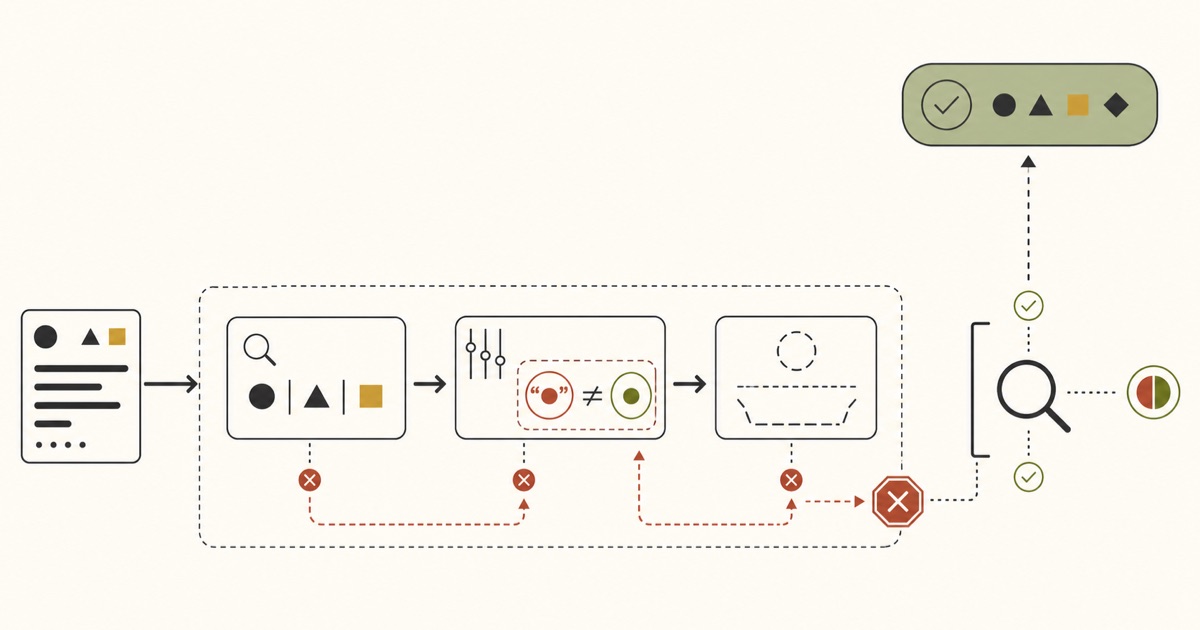
Quick summary A correct final response does not prove that an autonomous agent used the right tools or completed the requested action. Trajectory evaluation scores observable execution steps, including tool calls, outputs, retries, and state transitions. Agent task success and tool use quality expose different failure modes, so evaluate them separately. Start with one important […]

Quick summary TurboVec is presented in its repository as a Rust vector index with Python bindings. The project is described as being built on TurboQuant. Google Research presents TurboQuant as work focused on AI efficiency through extreme compression. Benchmarks, retrieval quality, integration requirements, licensing, and operational fit should be checked against a representative workload before […]

Quick summary MLOps spans the lifecycle: connect experimentation, deployment, monitoring and maintenance. Track code and data: versioning helps teams understand and reproduce changes. Record experiments: compare model runs instead of relying on informal notes. Build dependable operations: pipelines, compute planning and tests support repeatable machine-learning workflows. In the realm of machine learning (ML), the rise […]

Quick summary RAG combines retrieval with generation: relevant source material supplies context for a model’s response. Build both parts deliberately: choose the data, implement retrieval and connect it to the generative model. Test the complete pipeline: assess how retrieved material affects the usefulness of the answer. Plan for operational challenges: data quality, integration and scaling […]

Quick summary Train across distributed data: federated learning keeps local examples on participating devices or servers. Share updates rather than raw datasets: a coordinating system can aggregate training results into a model. Match the architecture to the setting: the article discusses centralised, decentralised and heterogeneous approaches. Address the remaining challenges: communication, device differences and privacy […]

Quick summary The article introduces Lumiere: it describes a video-generation approach built around a Space-Time U-Net. Explore creative applications: examples include image animation, stylised video and text-guided editing. Consider the limits: coherent transitions and complex video behaviour remain part of the discussion. Use synthetic media responsibly: creative possibilities also raise questions about misuse and deepfakes. […]

Quick summary The article explores text-to-video generation: prompts describe scenes, subjects and motion. Visual detail is only one part of the task: consistency across shots and events also matters. Recognise the limitations described: physical interactions, spatial relationships and event sequences can go wrong. Inspect generated results: a compelling scene does not guarantee that its motion […]

Quick summary The comparison centres on embeddings: the article contrasts Nomic with selected OpenAI models. Openness is a main theme: model access, training materials and reproducibility shape the discussion. Read benchmark results by task: the table presents different evaluations rather than one universal measure. Consider application needs: context length, auditability and retrieval performance affect model […]

Quick summary The article introduces the early Gemma models: it discusses text generation, question answering and summarisation. Different variants serve different uses: pre-trained and instruction-tuned models are part of the overview. Evaluate beyond benchmark scores: the article also addresses training, hardware and practical deployment. Keep limitations in view: bias, task difficulty and language nuance require […]
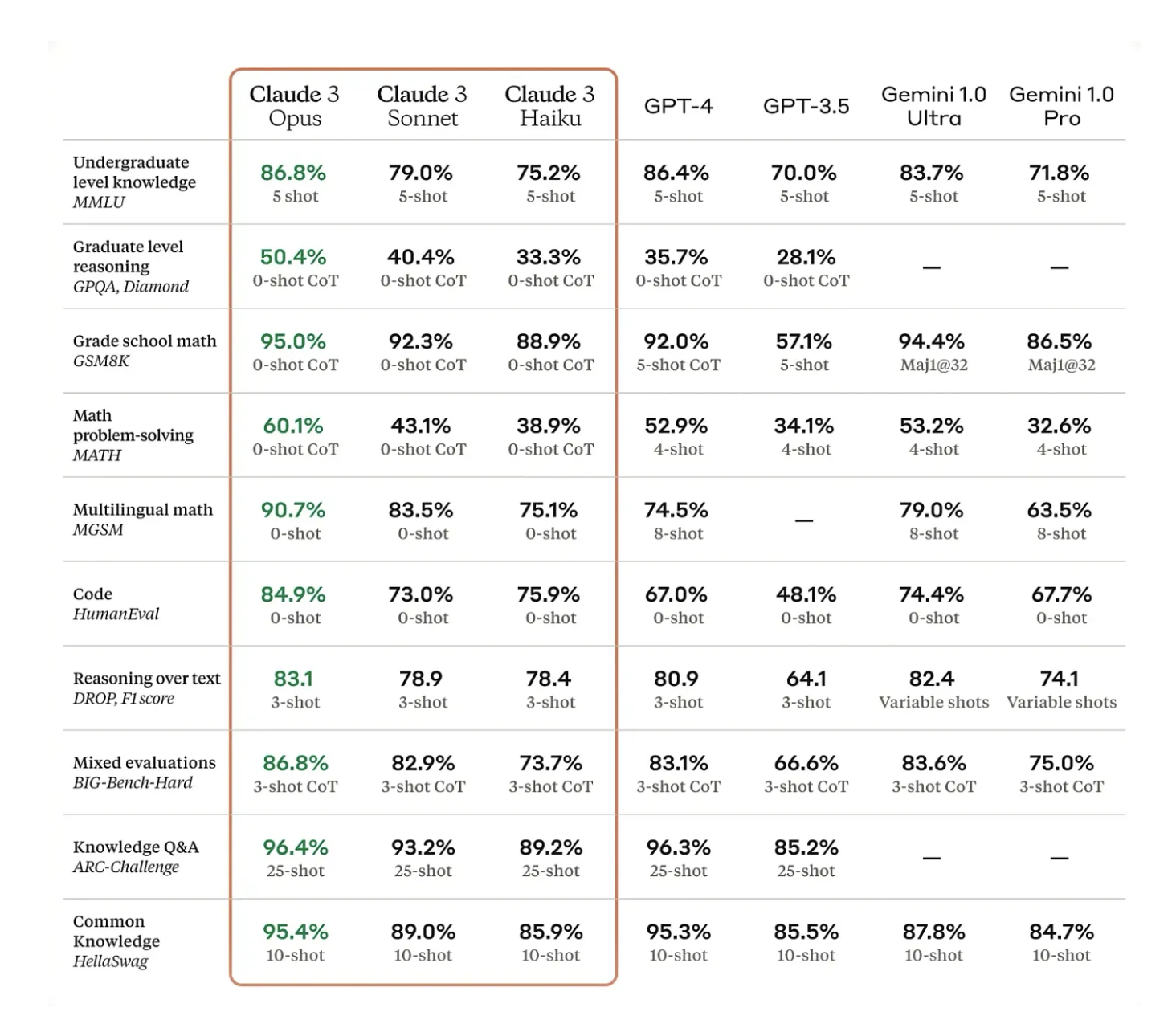
Quick summary The article compares Claude 3 with GPT-4: it discusses capability claims and competition between model providers. Distinguish claims from practical fit: reported demonstrations do not replace evaluation on your own tasks. Stay adaptable: the article encourages developers to assess new models as the landscape changes. Choose for the use case: a model’s particular […]
Quick summary Represent work as a graph: nodes perform tasks and edges control transitions. Make state explicit: a shared schema supports context across steps. Build incrementally: define state, create nodes, connect them and run the agent. Observe behaviour: the tutorial also discusses caching, parallel work and debugging. Creating sophisticated conversational agents requires more than just […]
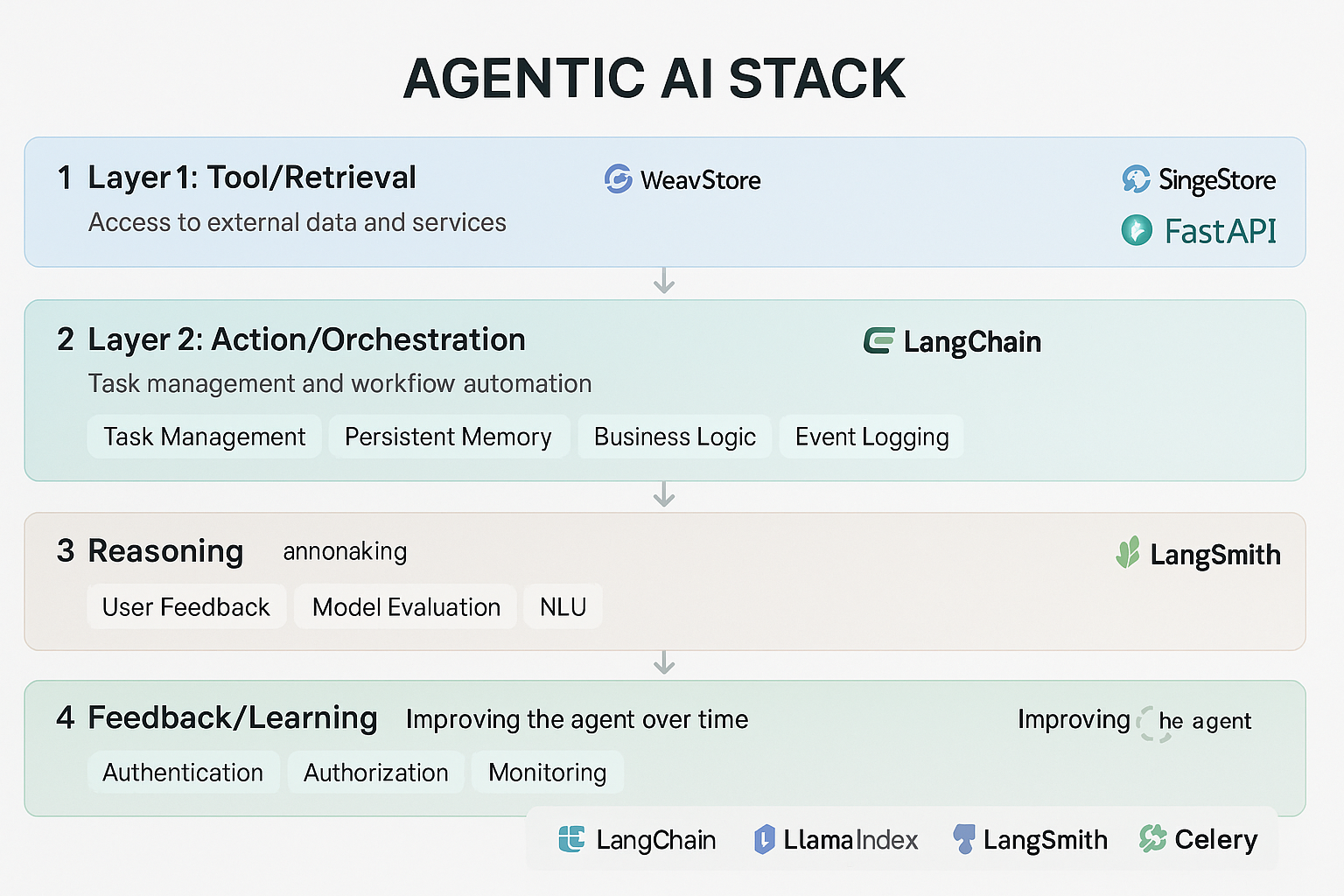
Quick summary Organise by responsibility: the article presents five layers of an agent system. Connect data to action: retrieval and tools feed orchestration and reasoning. Include feedback: evaluation and operational signals support improvement. Build security into the stack: access controls belong alongside functional capabilities. The Agentic AI Stack is a modern framework designed to build […]
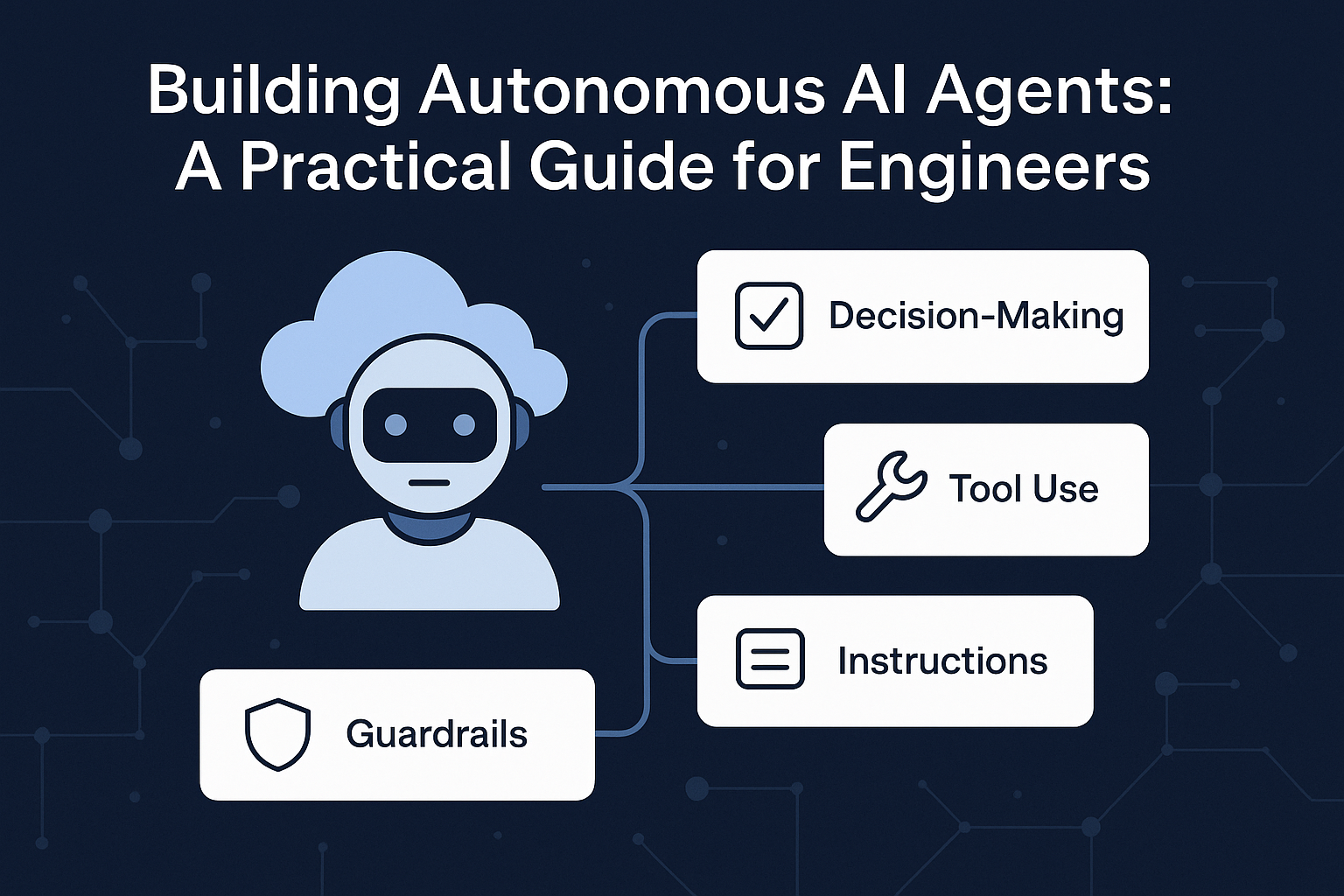
Quick summary Choose the right problem: conventional automation may suit well-defined tasks. Define core components: models, tools, instructions and guardrails shape the system. Start simple: add multiple agents when specialisation justifies the complexity. Deploy incrementally: evaluate behaviour and retain human escalation. As AI moves beyond simple chatbots, building AI agents that can reason and act […]

Quick summary Use specialist handoffs: the article presents a peer-to-peer alternative to supervision. Preserve context: shared state tracks the active agent and conversation. Keep roles focused: the example separates general questions, science and translation. Make routing explicit: handoff tools connect workers into one workflow. Imagine building powerful multi-agent systems with LangGraph Swarm, where agents collaborate […]

Quick summary Trace startup in stages: entrypoint, initialisation, session setup and rendering. Keep fast paths lightweight: simple commands need not load the full interactive application. Overlap independent work: prefetching can reduce visible startup delays. Separate responsibilities: orchestration and deferred work provide reusable design lessons. When you type claude into your terminal, there is a highly sophisticated Claude Code […]

Quick summary Treat context as a limited working set for the next action, not an archive of everything the agent has seen. Keep durable facts separate from transient conversation history and task-specific retrieved evidence. Retrieve a small, explainable set of relevant items, then filter or compress the rest before it reaches the model. Reserve tokens […]

Quick summary Combine predictions: Ensembles use voting, averaging or a learned rule to combine multiple models. Different approaches: Bagging, boosting and stacking combine models in different ways. Diversity matters: Models with useful, varied information can improve stability and predictive performance. Compare with a baseline: More models do not automatically improve results; evaluate the combined system […]

Quick summary Interactive generation: The article introduces Genie as a model for generating controllable environments from visual inputs. Learning from video: It describes learning patterns of movement and interaction without explicit action labels. Creative possibilities: Sketches and images provide starting points for exploring generated worlds. Research direction: The article considers uses in creative prototyping and […]