
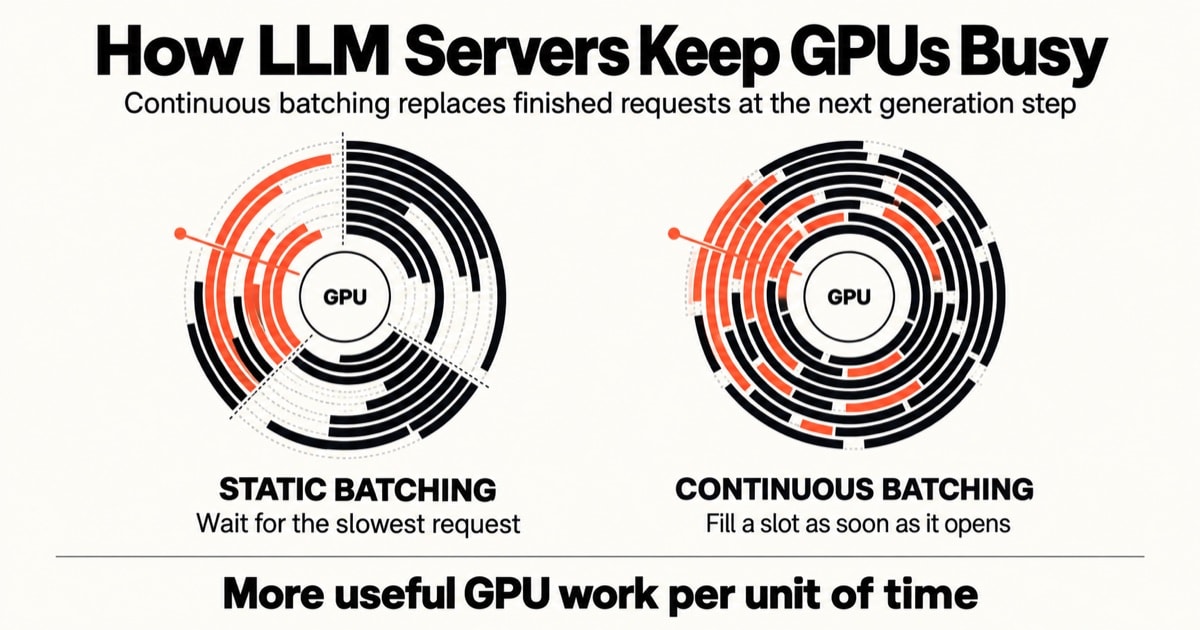
A plain-English guide to continuous batching, why it helps LLM servers use GPU capacity, and how throughput, latency, and memory constraints interact.

Claude Code creator Boris Cherny recommends clear goals and meaningful verification. Learn how to apply his advice and what to make of his claimed quality improvement.
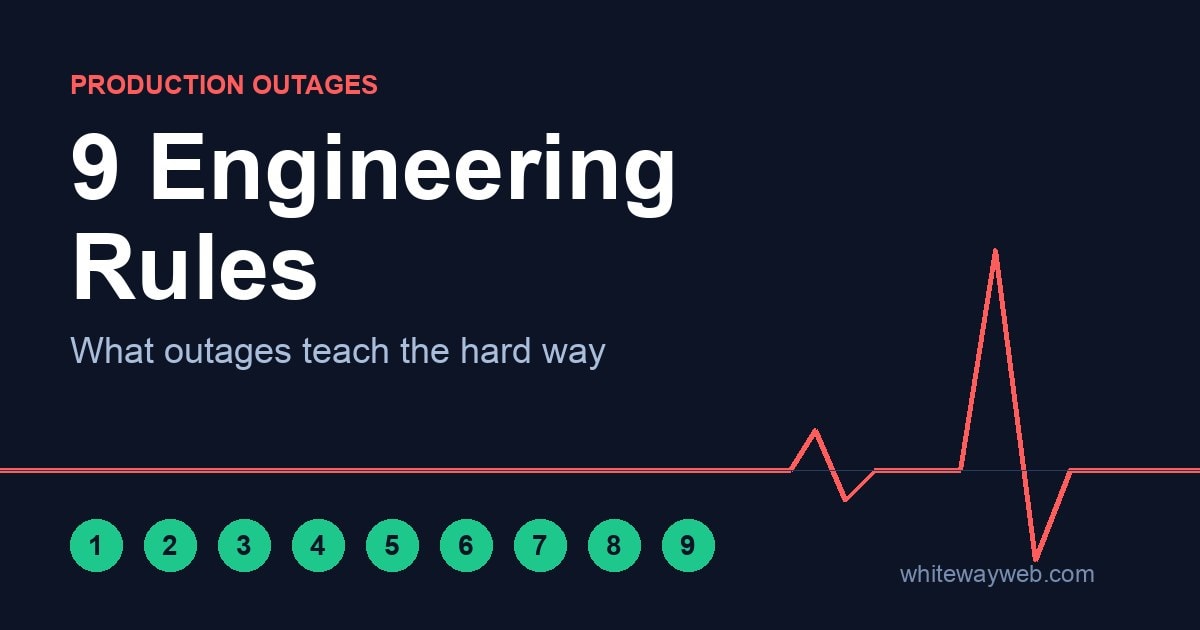
Most engineering rules age badly. These nine, about failure, error budgets, on-call, postmortems and complexity, tend to survive every change in tooling.
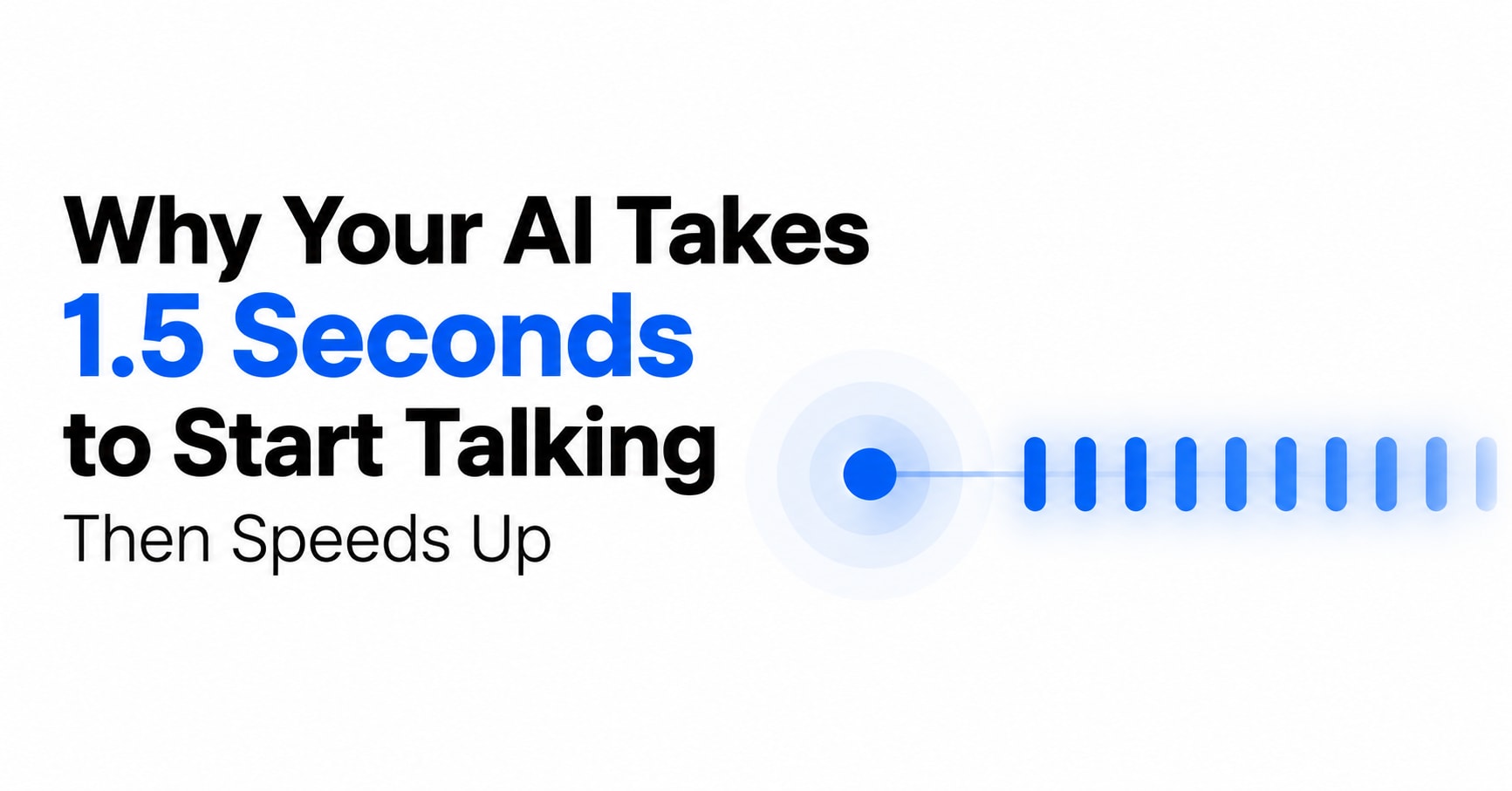
Why does an AI take longer to start than to keep generating? Learn how prefill, queues, caching and serving design affect TTFT.
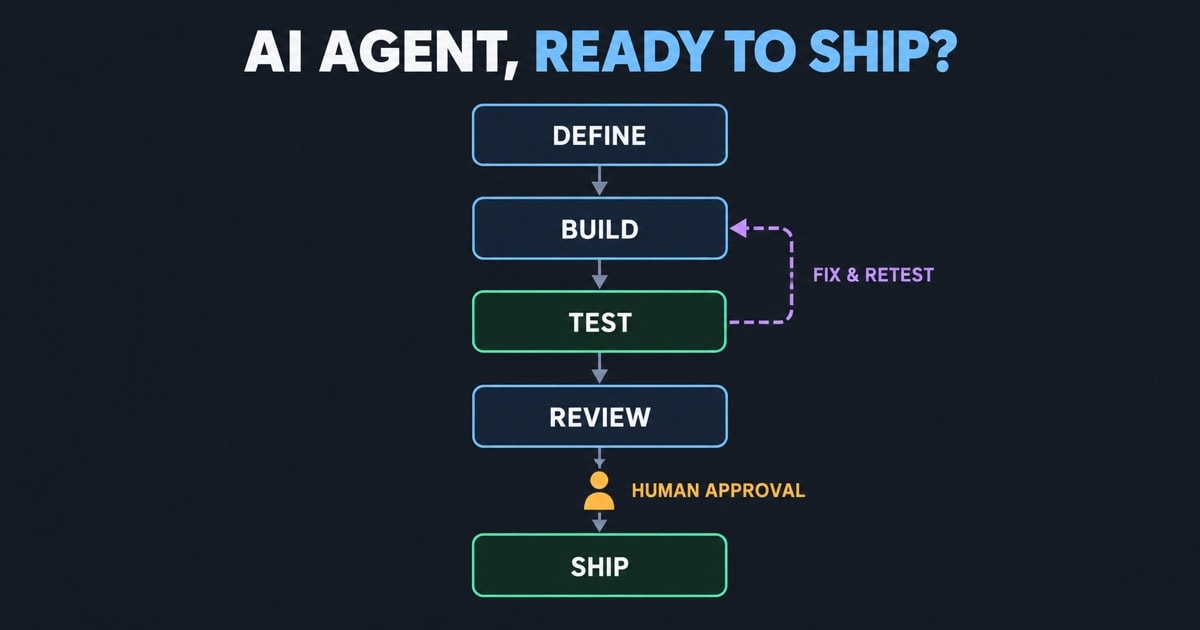
An AI coding workflow needs more than code and green tests. Here is how clear completion criteria, feedback loops, human review, and deployment tracking help teams decide what is ready to ship.
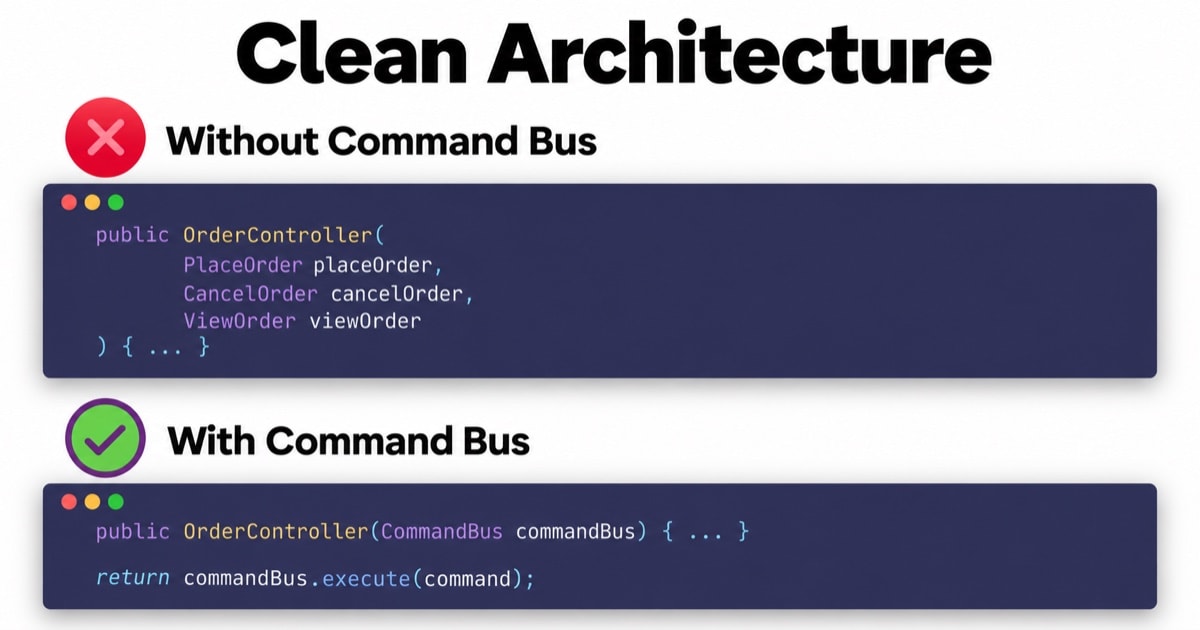
A practical guide to how a Command Bus fits Clean Architecture, when it helps with dispatch and shared behaviors, and when direct handler injection stays simpler.

OpenAI’s Dots launch put dot.com’s redirect to xAI’s Grok Bot in the spotlight. The domain’s reported $20 million price and the reason for the redirect remain unconfirmed.
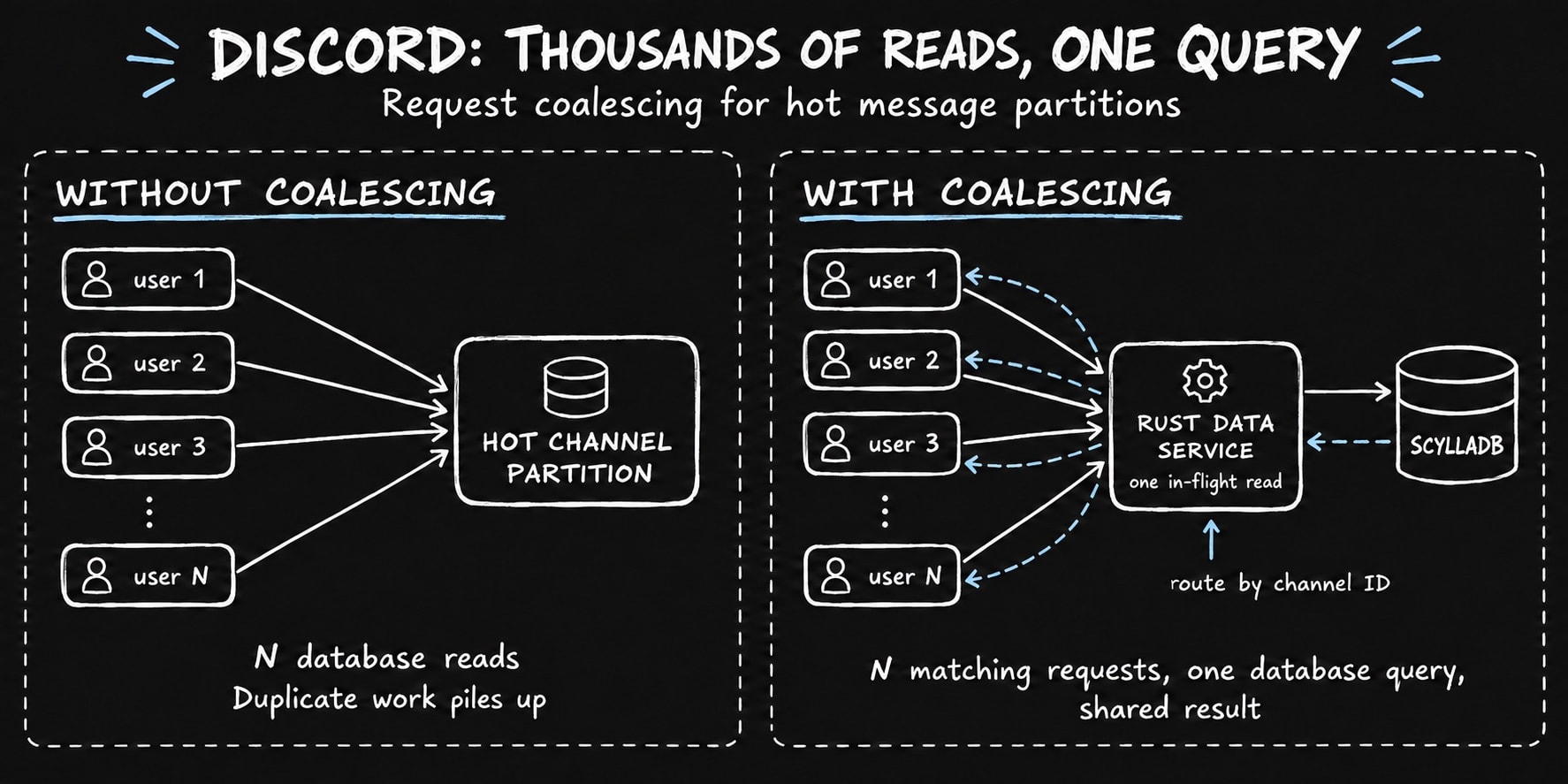
Discord’s move to ScyllaDB improved its message database, but hot partitions could remain. Learn how request coalescing and channel-based routing reduce duplicate reads.

OpenAI delayed its GPT-6.1 Astra model after safety concerns emerged during testing. The pause underlines why systems that can act through digital tools need clear permissions and human review. Reports do not establish that Sam Altman personally stopped the release.
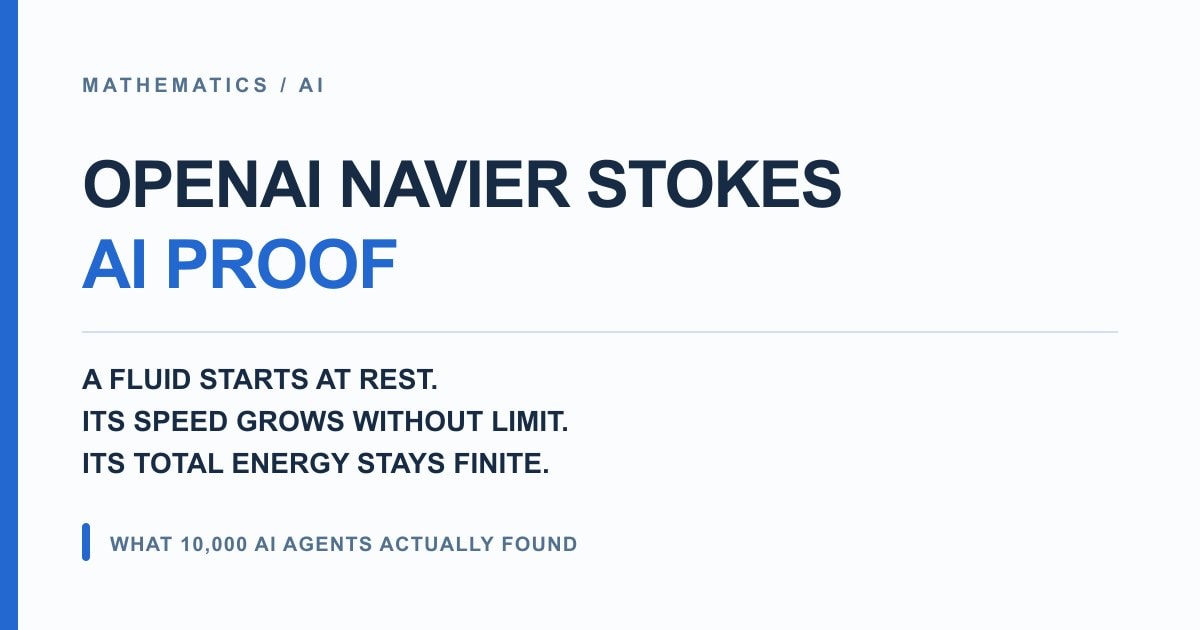
OpenAI says its AI system proved that a fluid can start at rest and develop infinite speed in finite time. Here’s what the claim means, what Lean checks, and why mathematicians are still reviewing it.

AI agent security is an application design problem as much as a model problem. Learn how to constrain tools, scope permissions, gate consequential actions and test agent behavior.

Build a Claude Code playbook with persistent context, reusable skills, hooks, agents, safer MCP, and verification systems that make delivery more dependable.
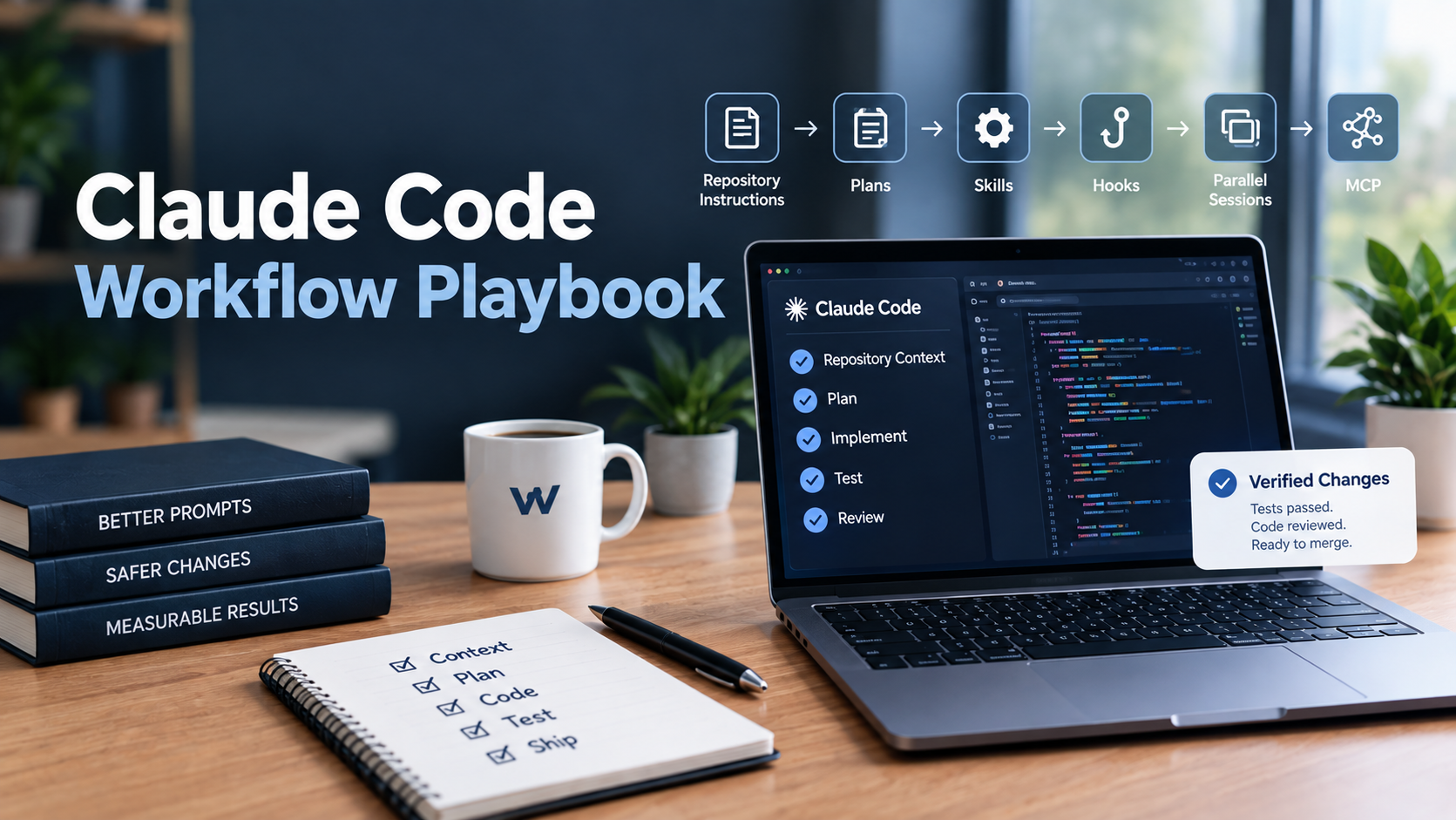
Build a dependable Claude Code workflow with better context, bounded parallel work, reusable skills, MCP security, and verification that proves a change is ready.
GPT-6 Sol costs less per token, while Claude Opus 5.5 scores higher on Zapier’s current AutomationBench. Compare real task costs, benchmark limits, coding evidence and a practical model-selection test.
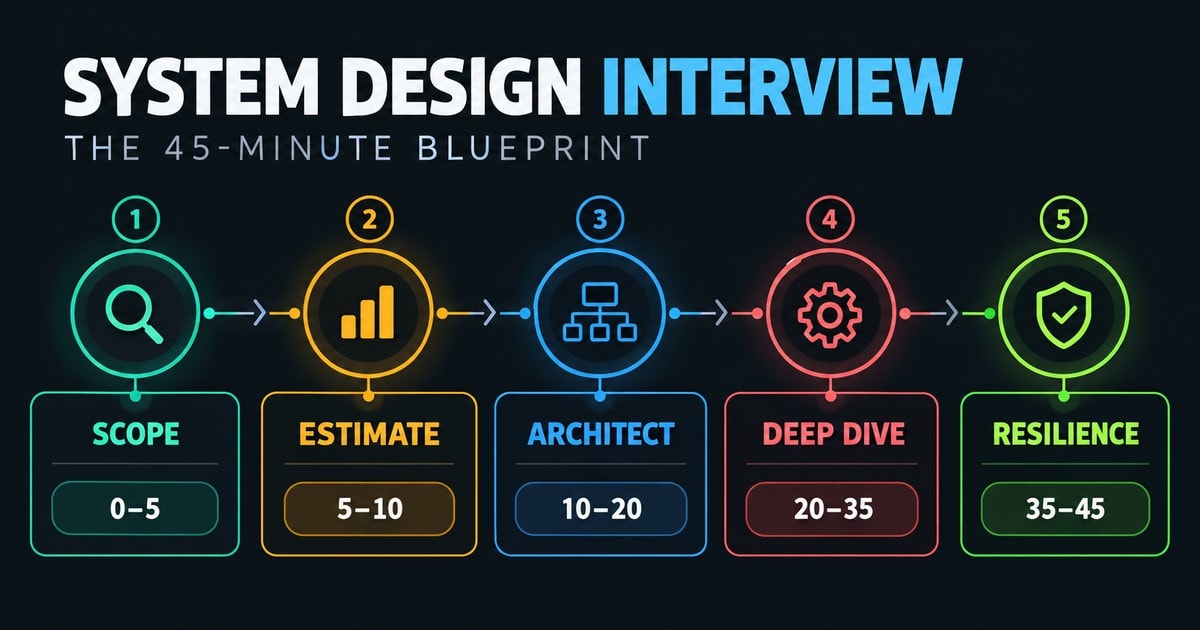
A practical five-stage framework for clarifying requirements, estimating load, drawing a simple architecture, exploring bottlenecks, and finishing with resilience.