

Quick summary Review becomes a system: Anthropic spreads checks across local verification, automated review, CI, risk-based approval, and rollback. People still decide: Human attention goes to product direction, architecture, sensitive changes, and whether the evidence is convincing. The results are promising, not proof: Anthropic reports more than twice as many merged Claude Code pull requests […]
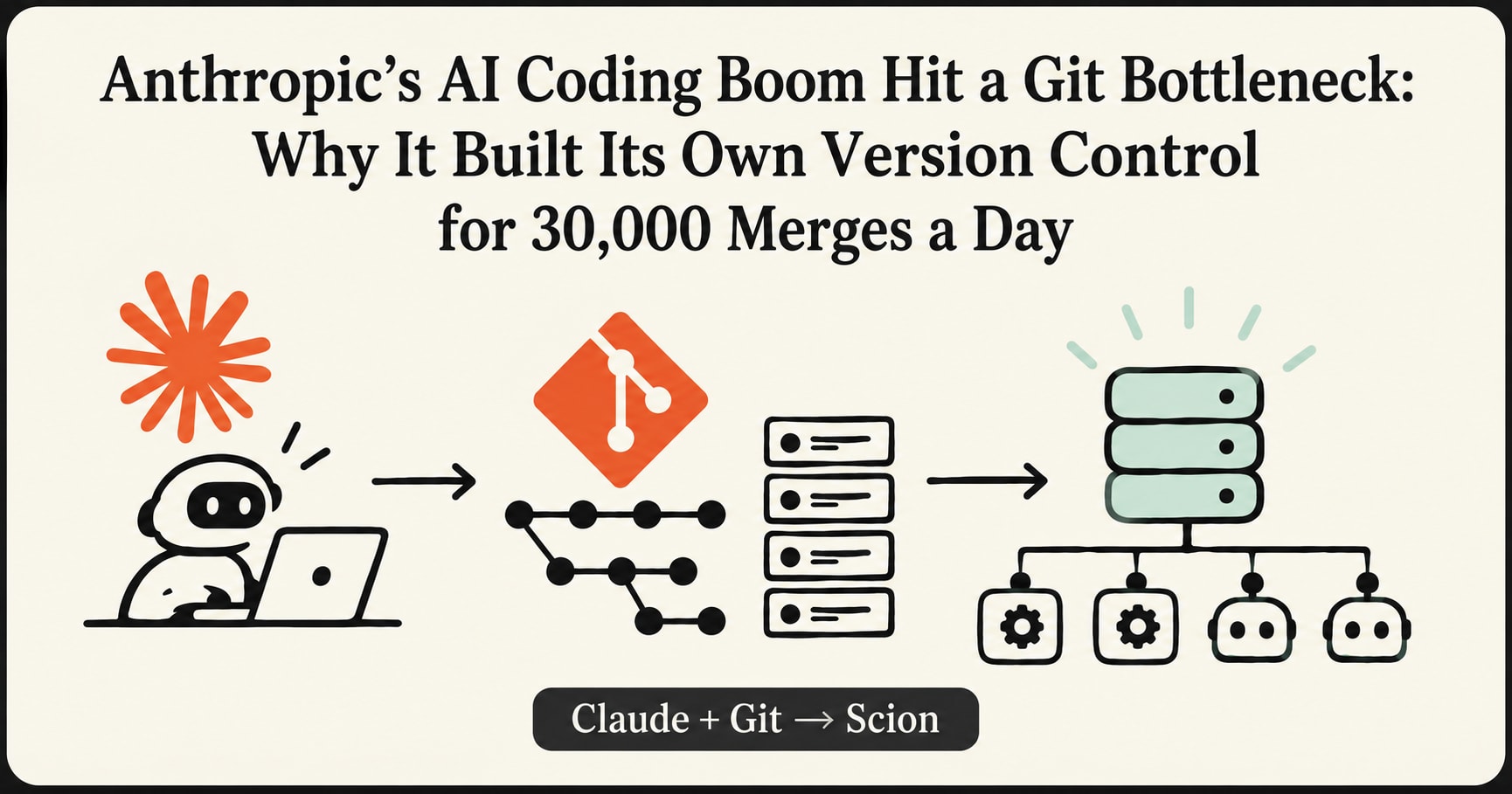
Anthropic says its AI coding boom pushed source control to the limit. Here is how Scion works, what it improves, and why it is not a replacement for Git.

Claude Code creator Boris Cherny recommends clear goals and meaningful verification. Learn how to apply his advice and what to make of his claimed quality improvement.
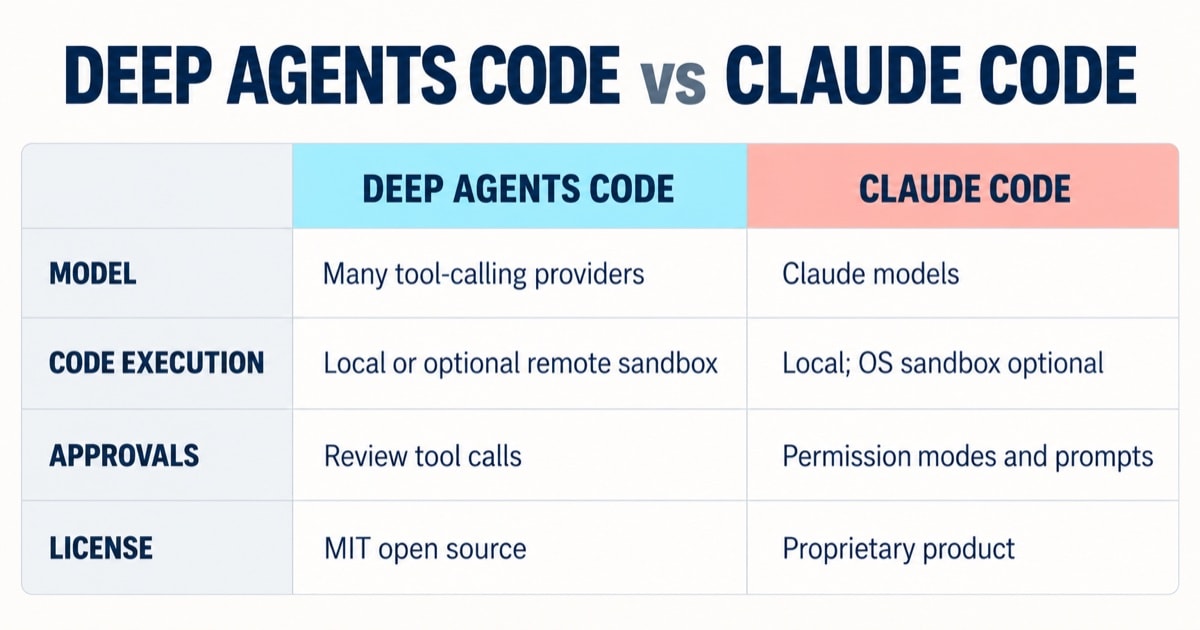
In brief Deep Agents Code is a flexible, open-source coding harness. You can connect different model providers and choose how commands and files are handled. Claude Code is Anthropic’s coding agent, built around Claude models and a more integrated command-line workflow. The biggest practical difference is control: Deep Agents gives you more choices to configure; […]
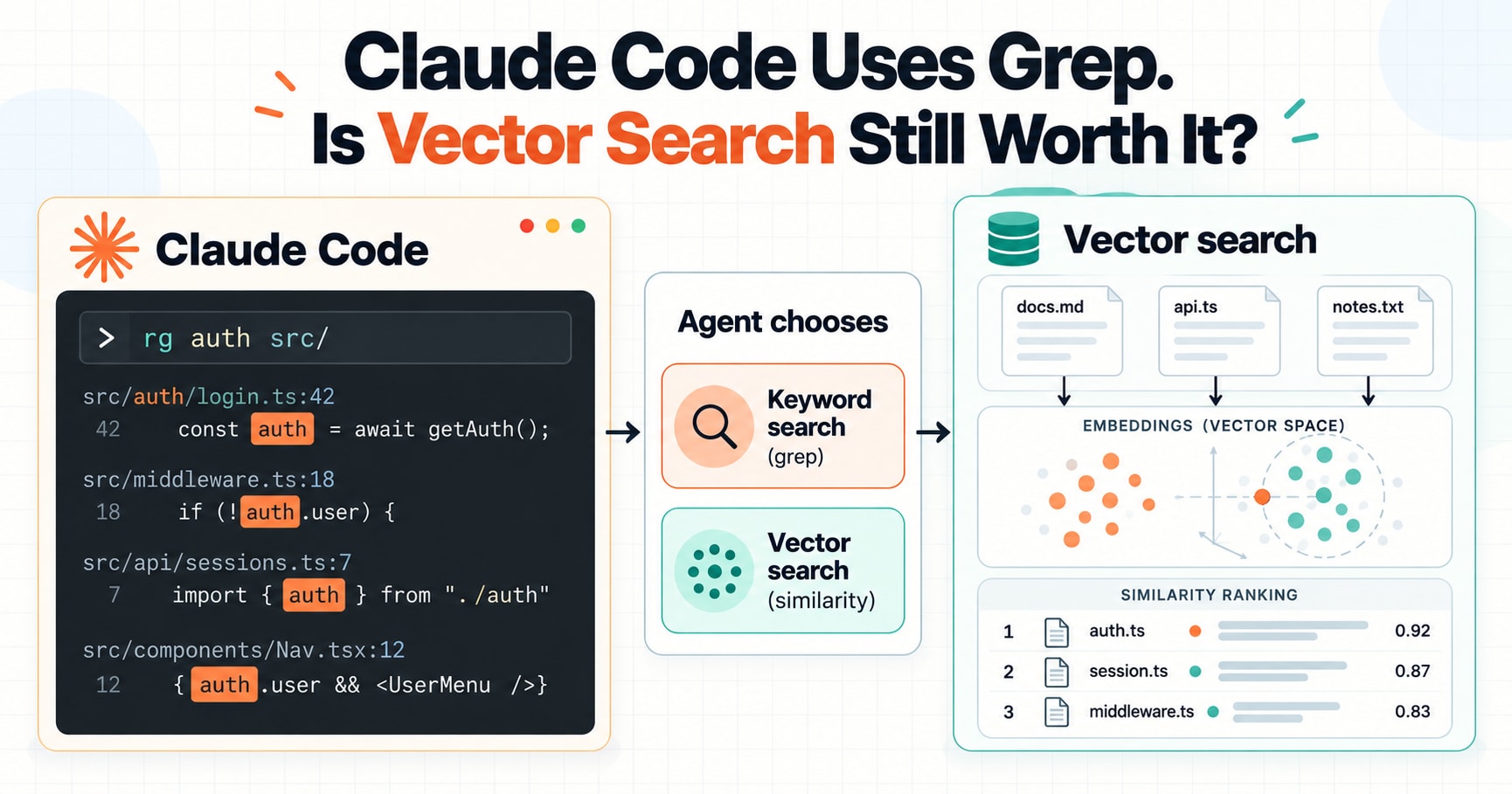
In brief: Claude Code’s documented use of ripgrep shows how capable agent-led search can be. It does not prove Claude Code replaced vector search, or that vector search is obsolete. Keyword search is often simpler for exact names and current source files; semantic retrieval can help with vague questions and paraphrases. Choose with evidence from […]
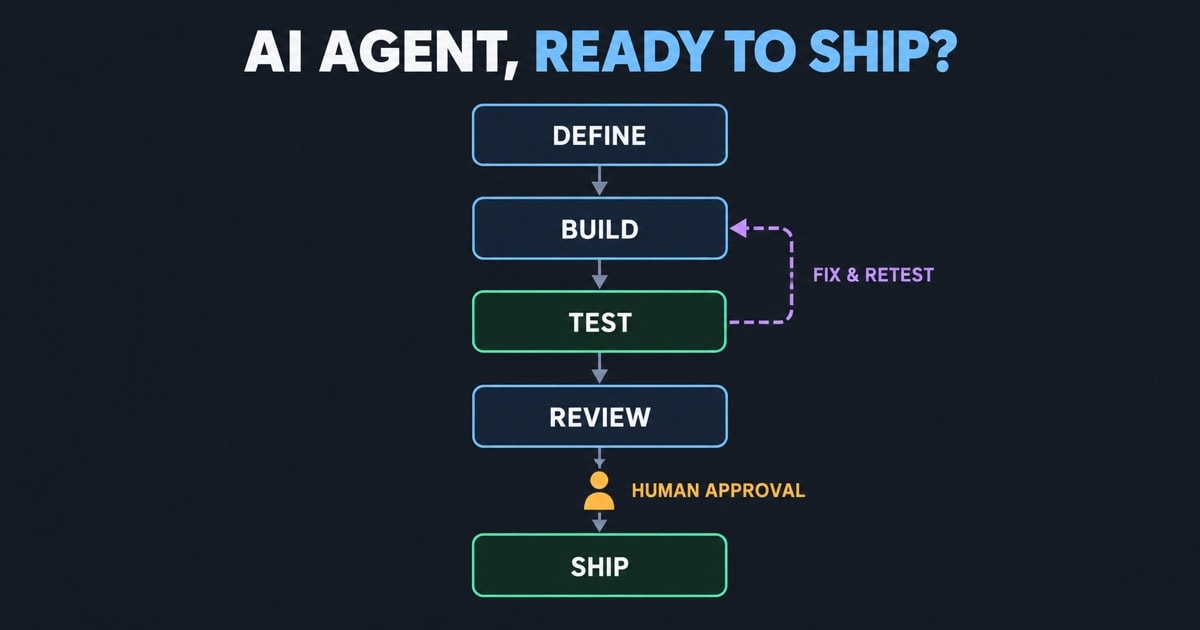
An AI coding workflow needs more than code and green tests. Here is how clear completion criteria, feedback loops, human review, and deployment tracking help teams decide what is ready to ship.
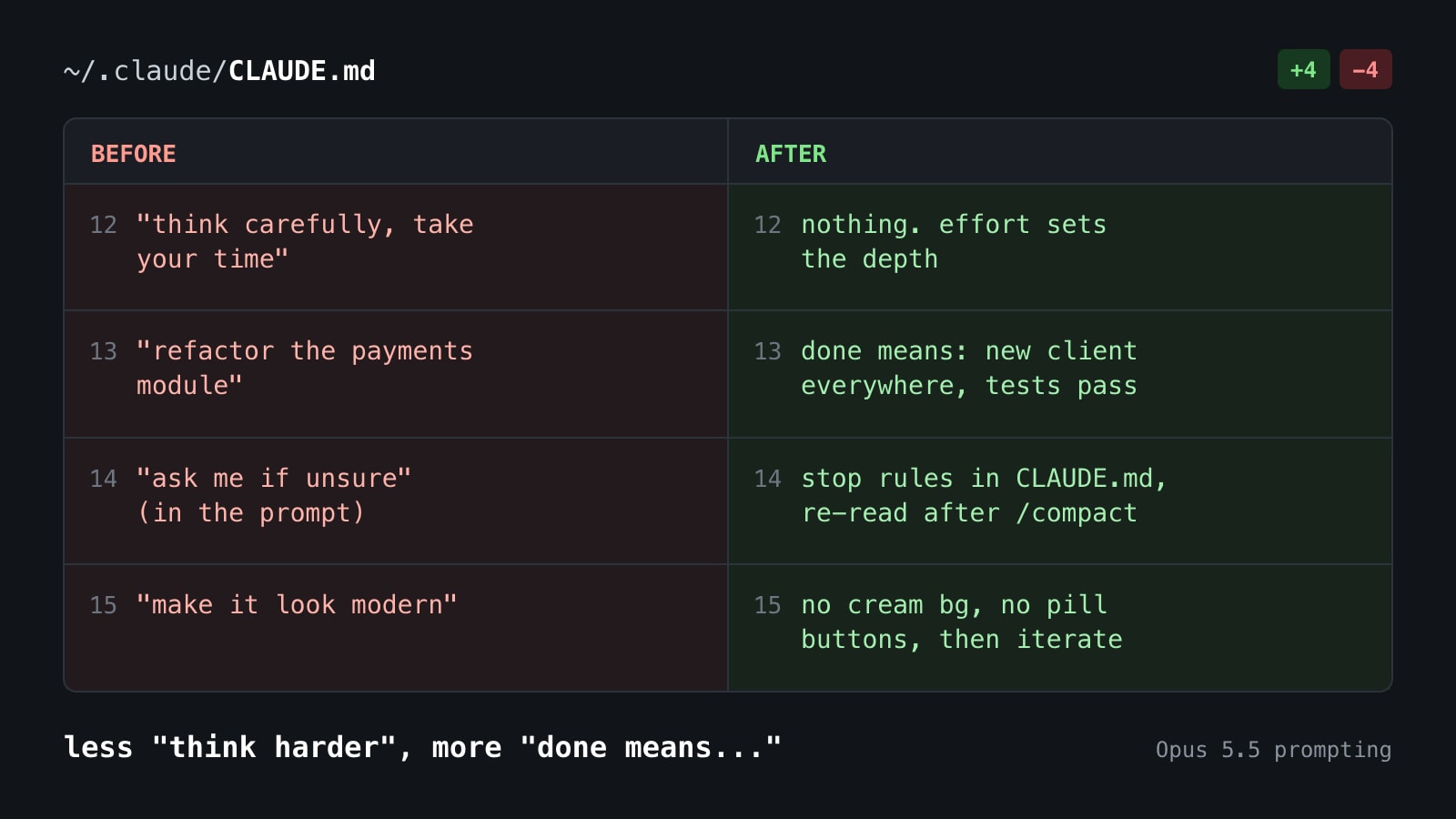
Plenty of developers keep a line like “think carefully, take your time” at the top of their prompts. Many more have it buried in CLAUDE.md, the Markdown file of standing instructions that Claude Code loads at the start of every session. With Claude Opus 5.5, Anthropic’s newest Opus model, that line has quietly stopped earning […]

Quick summary Seven experiments: The article examines reported examples of Astra contributing to game prototyping and development. Follow the development loop: Useful assistance includes interpreting a brief, editing, running the game and repairing observed problems. Distinguish levels of involvement: Generating a prototype, editing a project and testing gameplay are different contributions. Keep human ownership: A […]
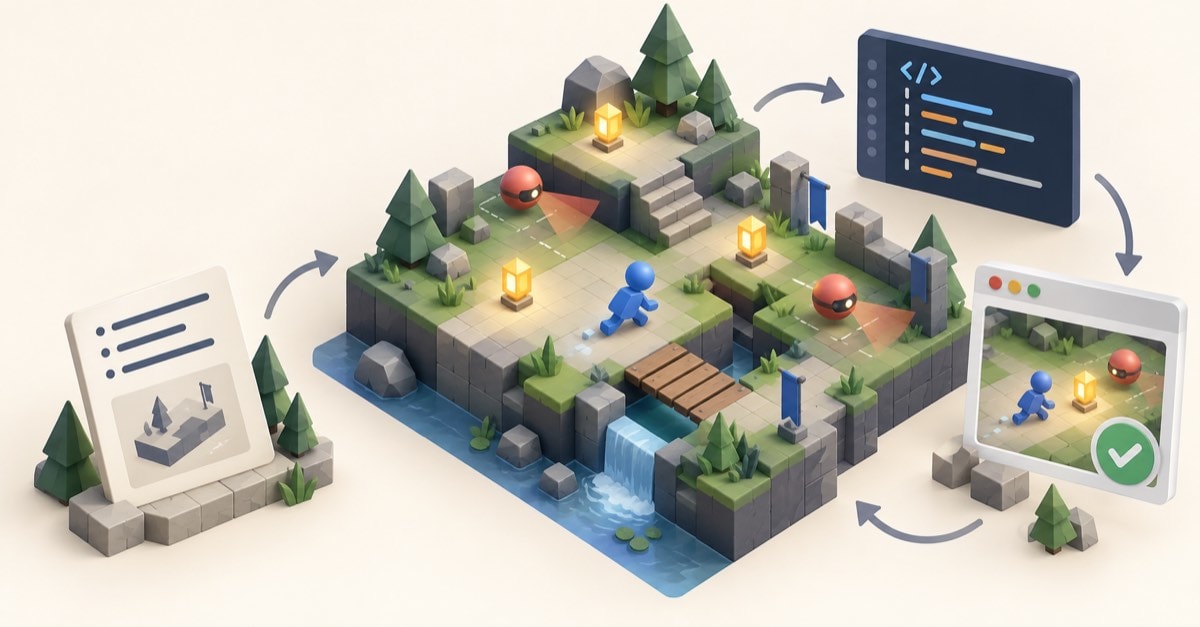
Quick summary Start with one playable loop: define a small vertical slice with clear rules and feedback. Write a design contract: specify controls, mechanics and constraints. Iterate in bounded steps: begin with a grey box and play-test each change. Review beyond the demo: performance, accessibility and game feel still matter. People searching for how to […]
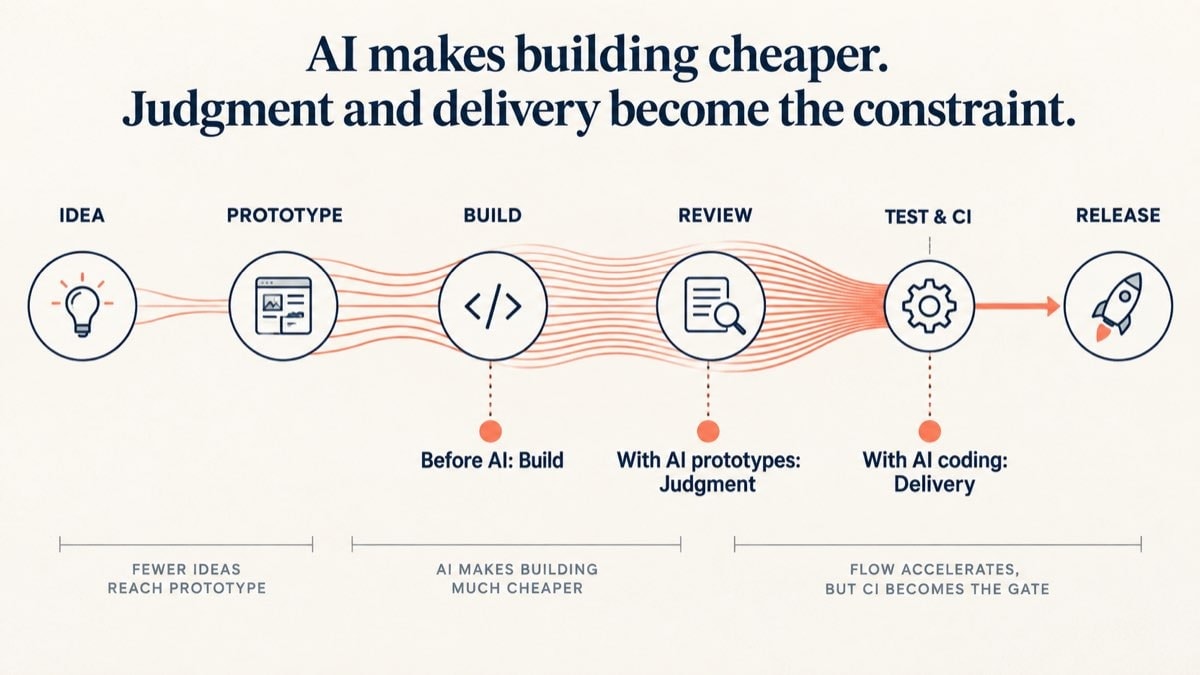
Quick summary Faster building moves the bottleneck: more code pressures review, testing and operations. A demo is not validation: establish whether a feature solves a user problem. Connect product and delivery: plan for reliability, security and failure handling. Measure useful progress: learn from small experiments and maintain dependable delivery. AI product development has changed the […]