
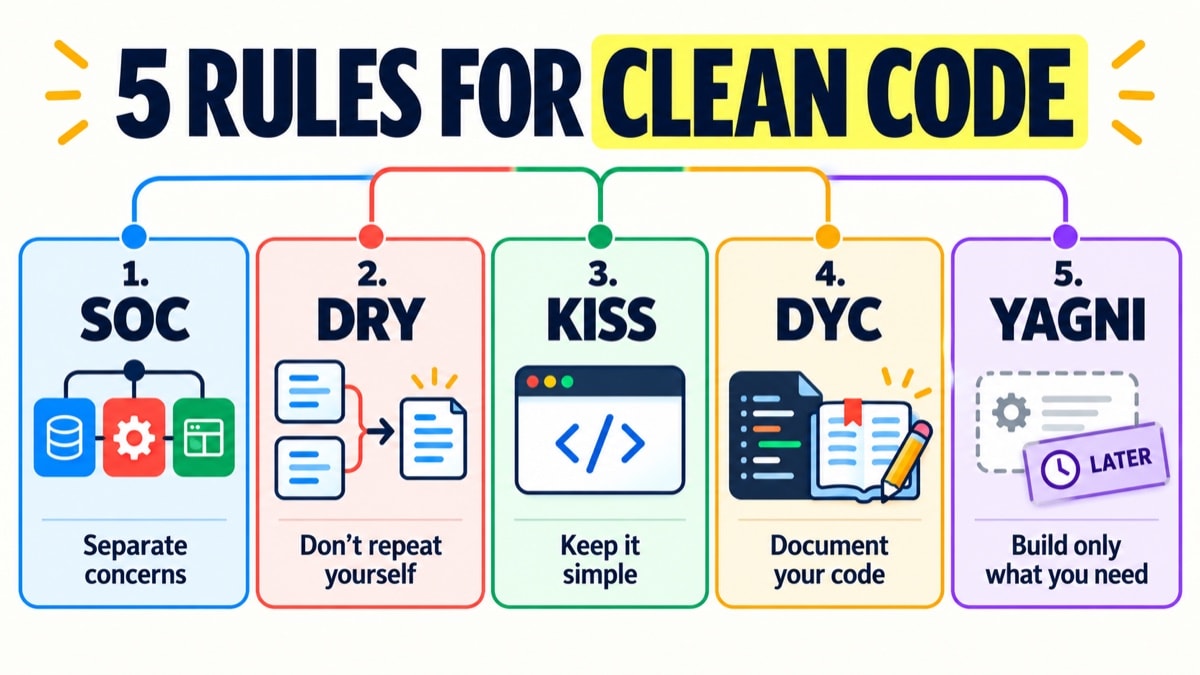
In brief: Clean code rules should make the next change easier to make and harder to get wrong. Separate concerns so one change does not ripple through unrelated parts. DRY the rules and facts that must stay consistent, not every pair of similar lines. KISS by choosing the clearest design that meets the real need. […]
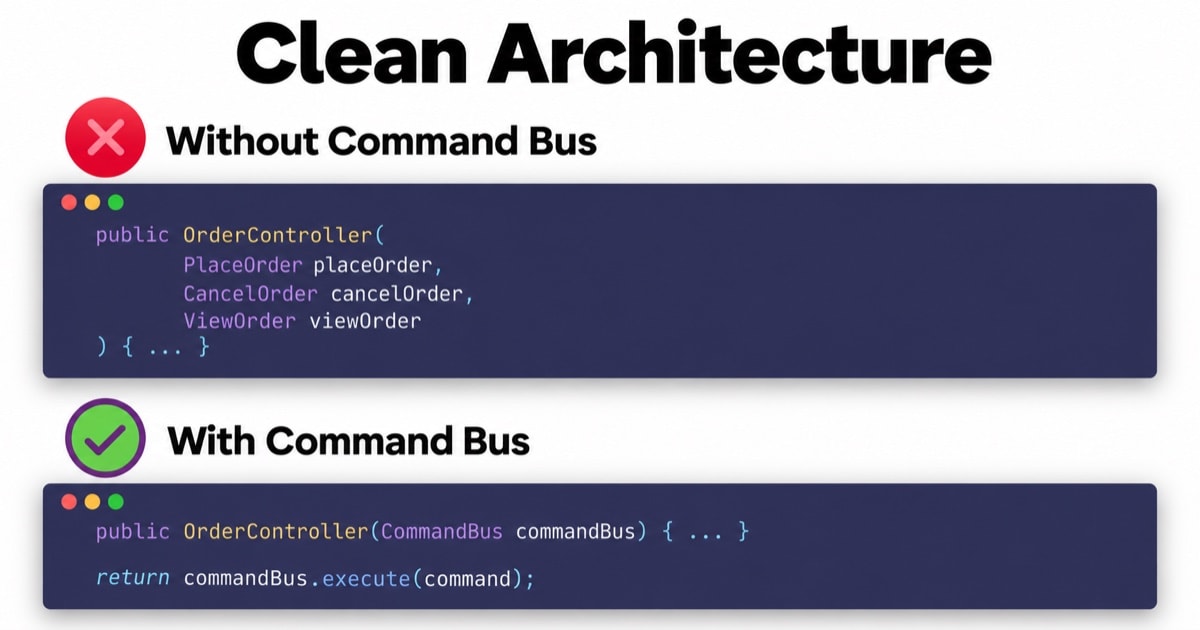
A practical guide to how a Command Bus fits Clean Architecture, when it helps with dispatch and shared behaviors, and when direct handler injection stays simpler.
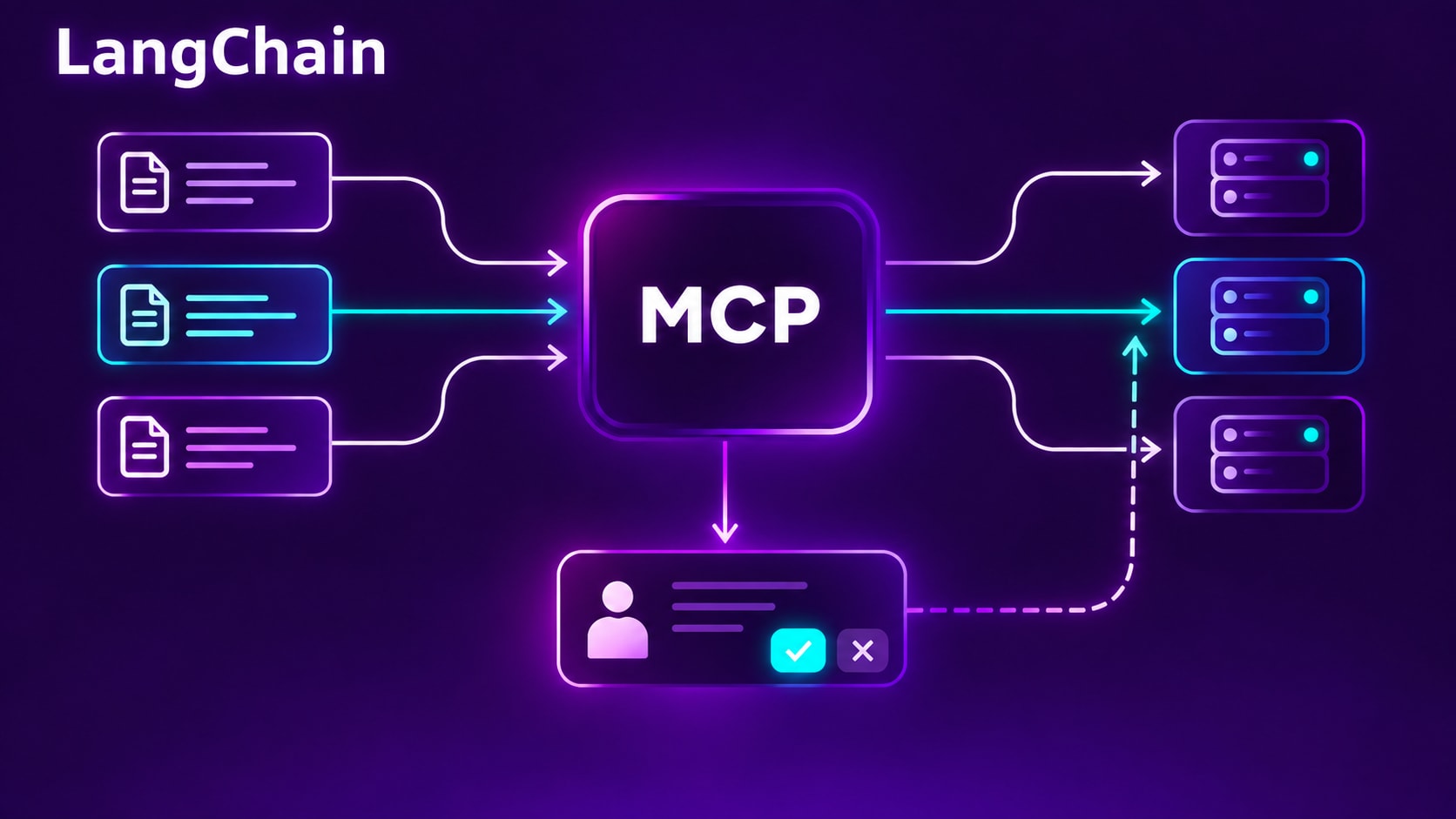
In brief LangChain MCP Adapter 2.0 supports stateless MCP. Modern servers no longer need a transport session to persist between tool calls, which makes ordinary load balancing easier. Stateless transport does not remove application state. Your booking, payment, or other workflow still needs durable identifiers and storage. Tools can pause for a person. MCP elicitation […]
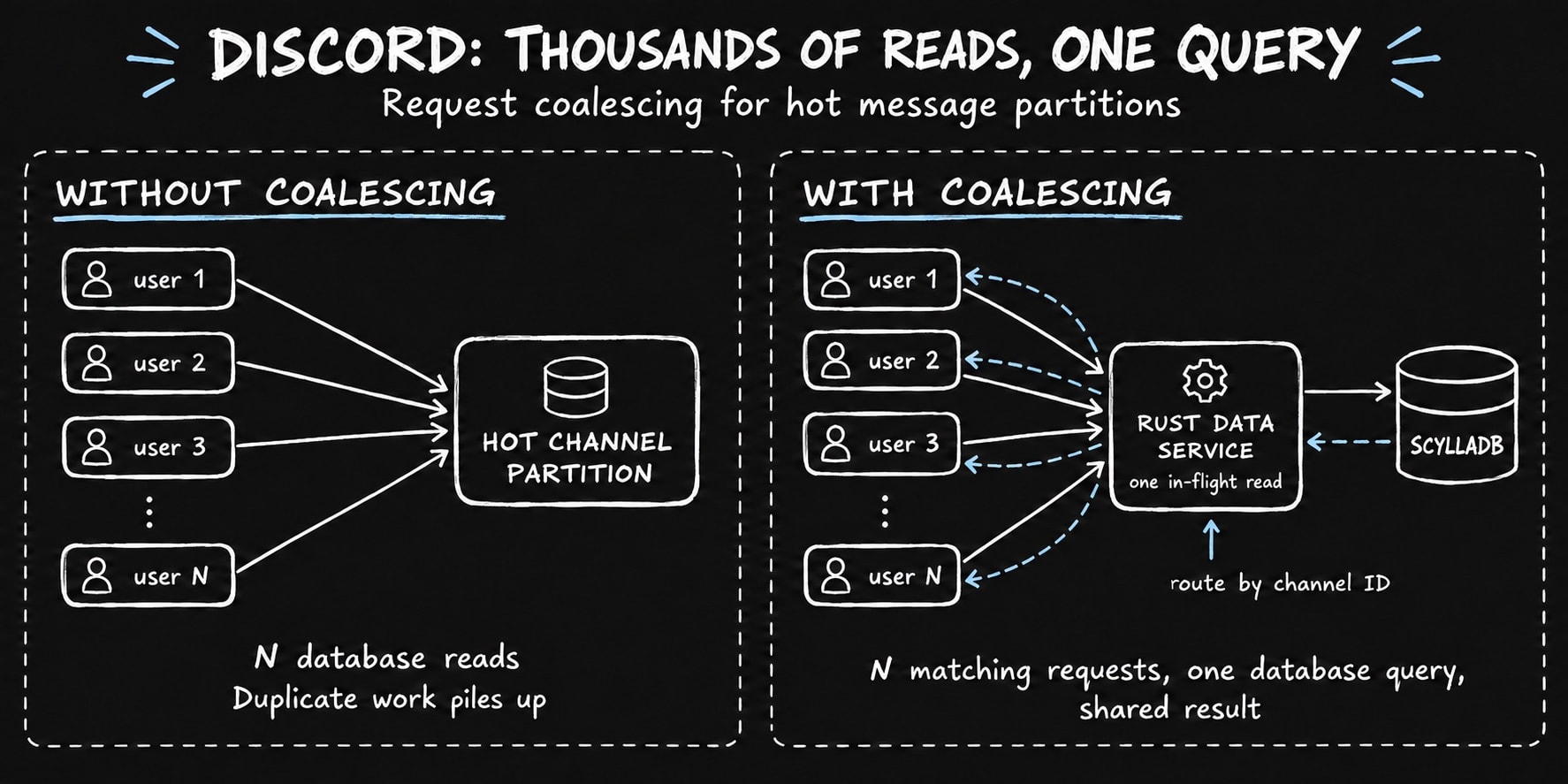
Discord’s move to ScyllaDB improved its message database, but hot partitions could remain. Learn how request coalescing and channel-based routing reduce duplicate reads.
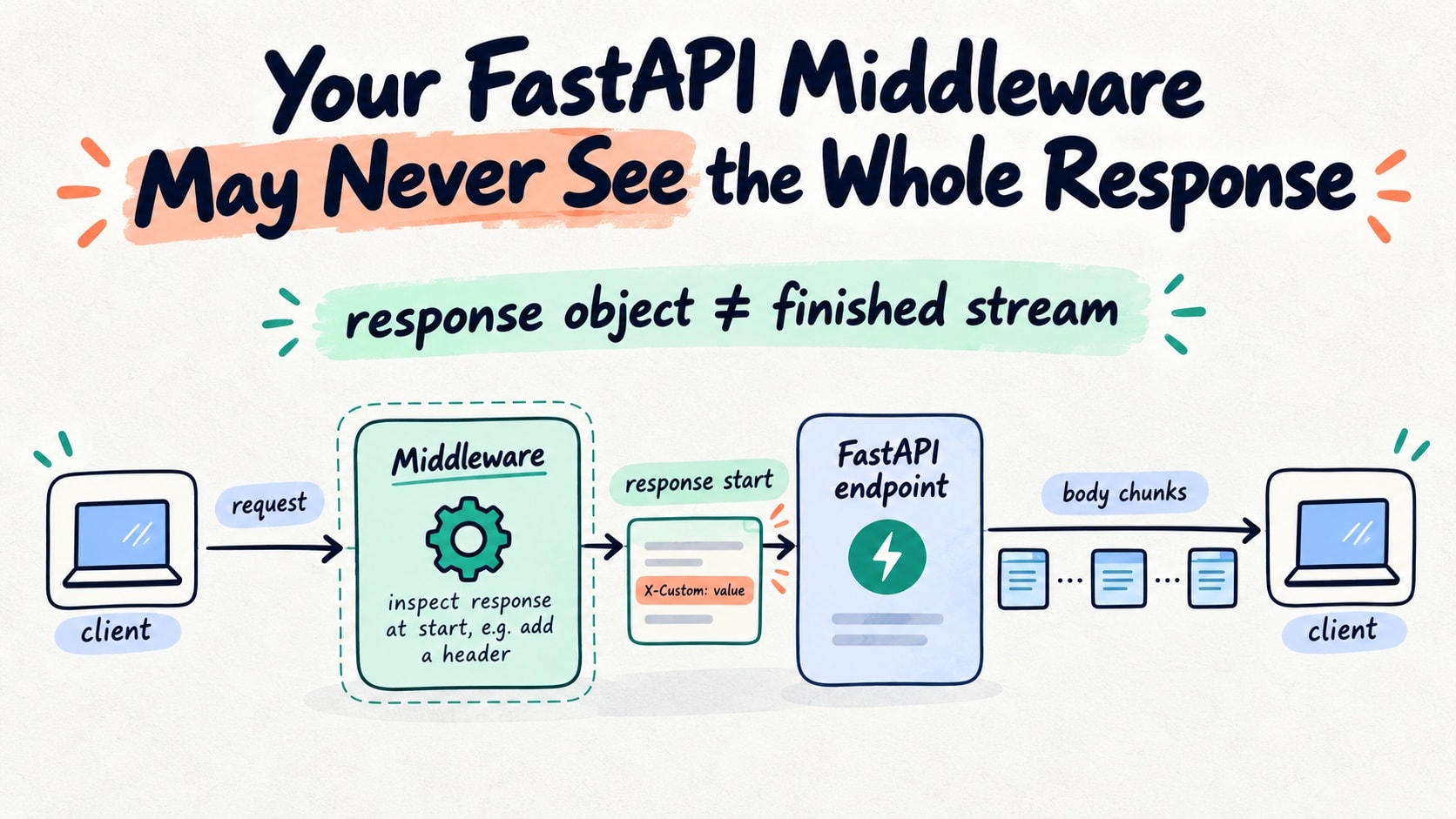
A FastAPI middleware can return a response before a streaming response has finished sending its body. That is the shorthand behind this headline: the middleware can inspect the response object, yet still not have seen every byte the client will receive. To understand why, think of middleware as a wrapper around an ASGI application, not […]

AI agent security is an application design problem as much as a model problem. Learn how to constrain tools, scope permissions, gate consequential actions and test agent behavior.
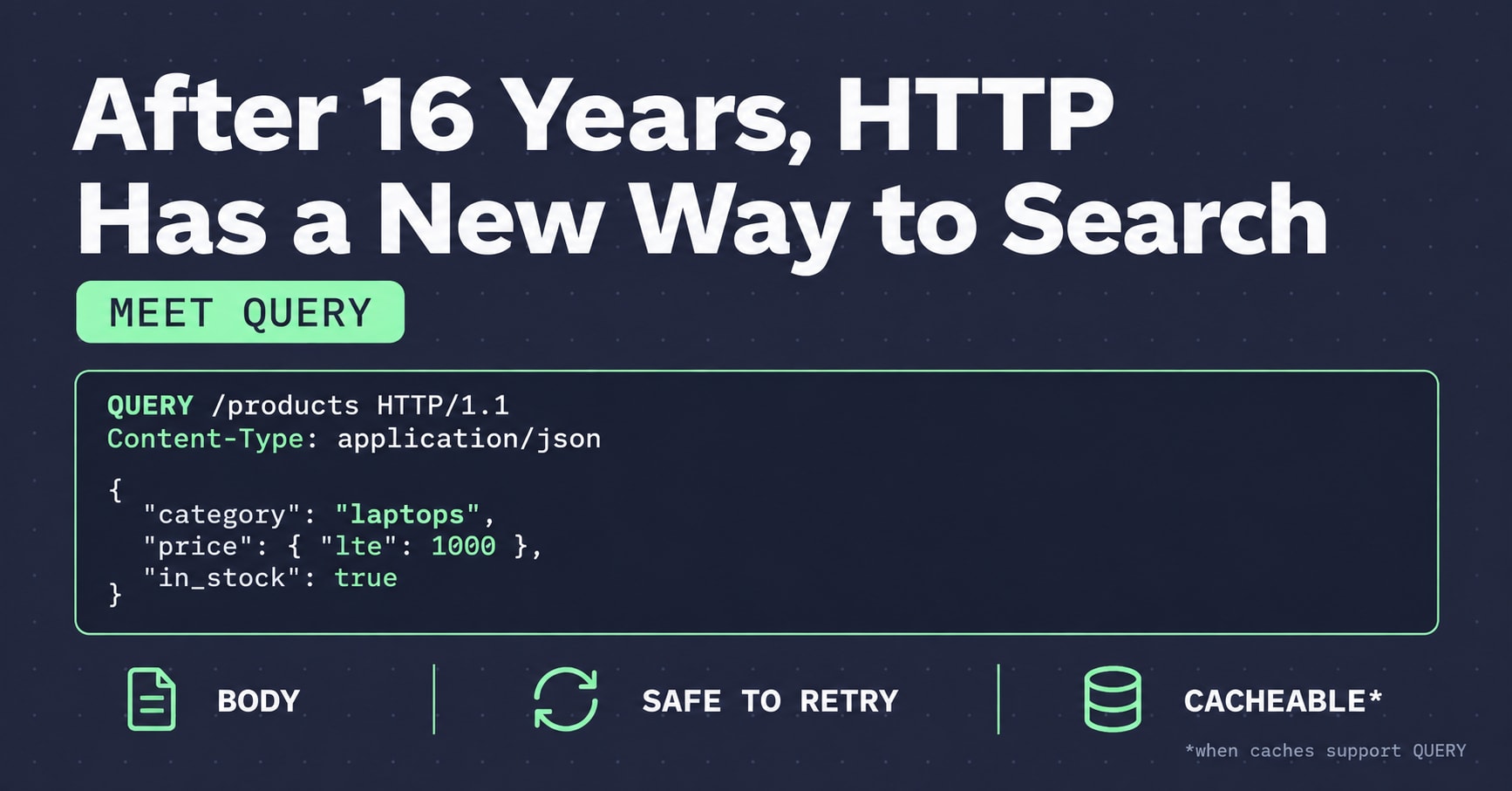
Quick summary Queries with a body: HTTP QUERY expresses read-only searches with structured request content and safe, idempotent semantics. Caching needs support: A compatible cache must account for the request body and relevant metadata when reusing results. Test the complete request path: Check clients, frameworks, gateways and caches before adopting QUERY; GET and POST remain […]
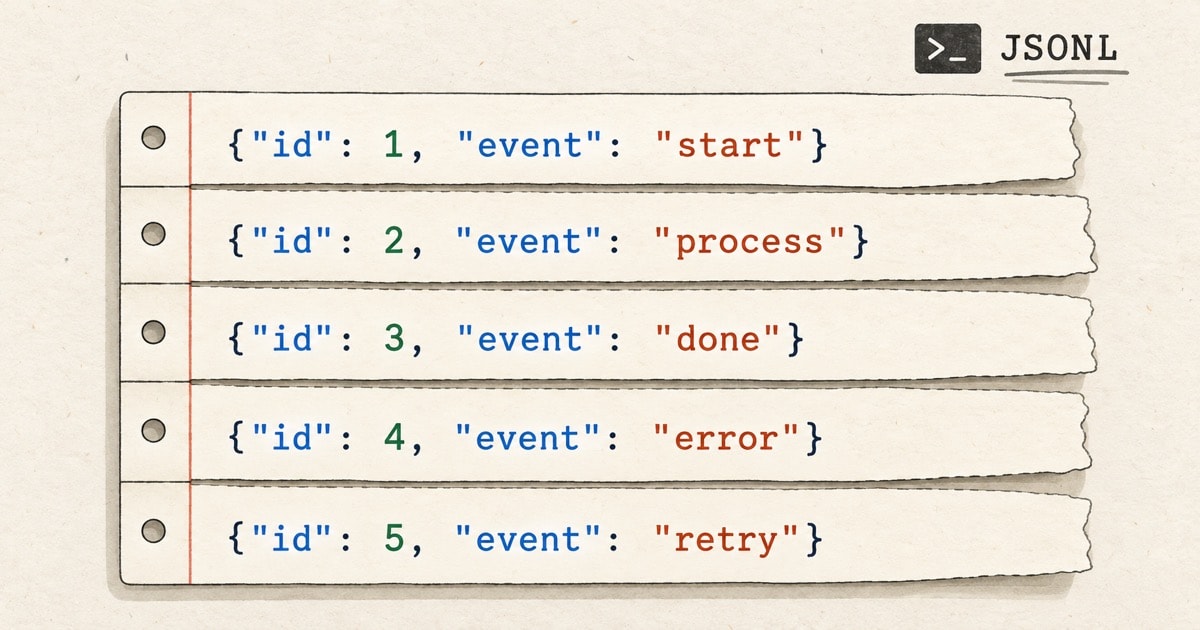
Quick summary One record per line: JSONL stores a complete JSON value on each UTF-8 line, making large datasets easier to stream, append and inspect. Handle boundaries correctly: Buffer incomplete network chunks and validate each record against both JSON syntax and your data contract. Plan for failures: Define how to handle malformed lines, retries and […]
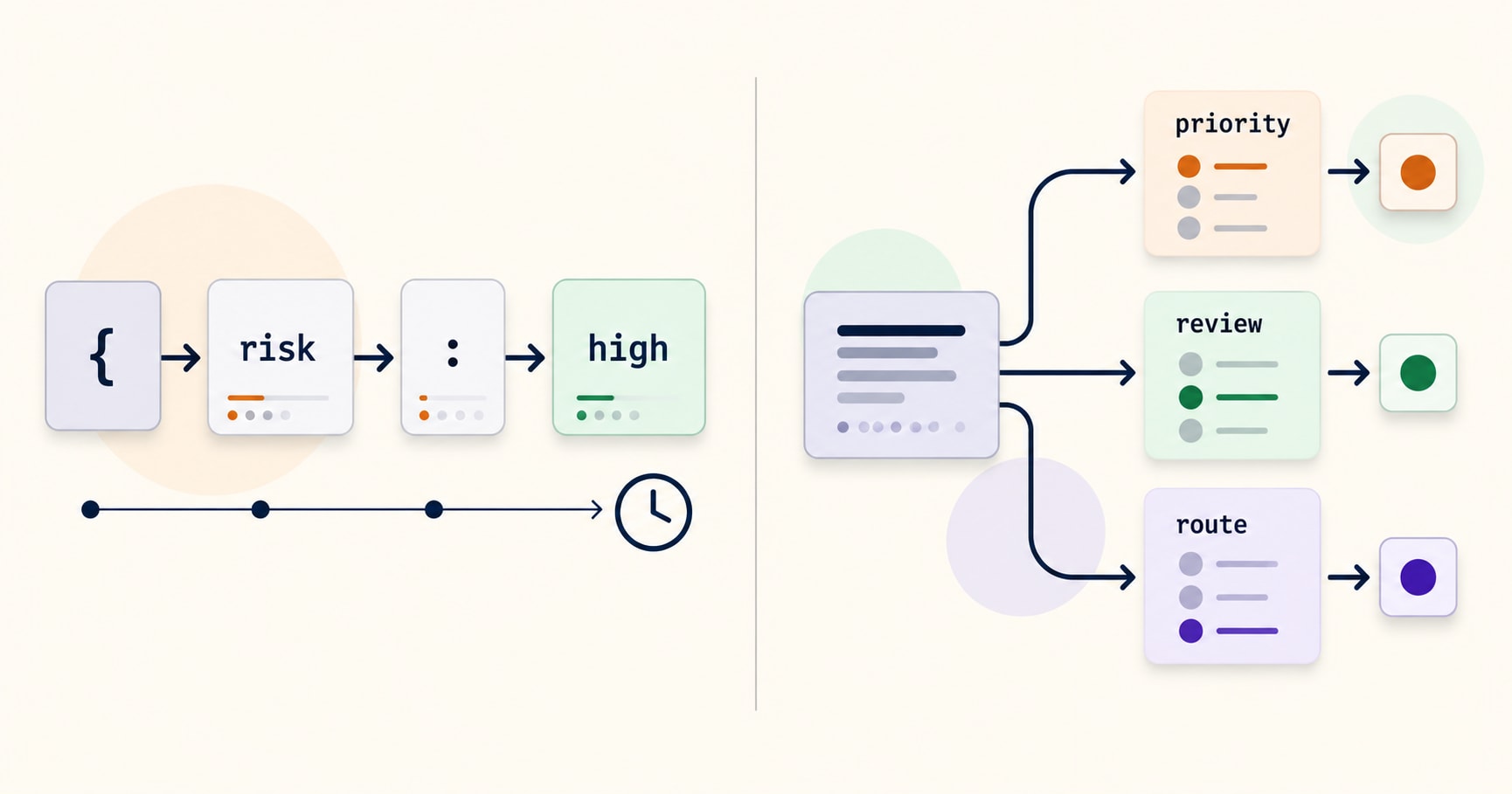
Quick summary Typed decisions: Jev evaluates declared questions in parallel and returns bounded answers instead of generating a JSON string token by token. Keep questions narrow: Define one judgement per field and let application code combine the results. Validate on your own data: Type safety does not guarantee correctness; test accuracy, confidence and review thresholds […]

Quick summary Seven experiments: The article examines reported examples of Astra contributing to game prototyping and development. Follow the development loop: Useful assistance includes interpreting a brief, editing, running the game and repairing observed problems. Distinguish levels of involvement: Generating a prototype, editing a project and testing gameplay are different contributions. Keep human ownership: A […]

Quick summary Start with one playable loop: define a small vertical slice with clear rules and feedback. Write a design contract: specify controls, mechanics and constraints. Iterate in bounded steps: begin with a grey box and play-test each change. Review beyond the demo: performance, accessibility and game feel still matter. People searching for how to […]
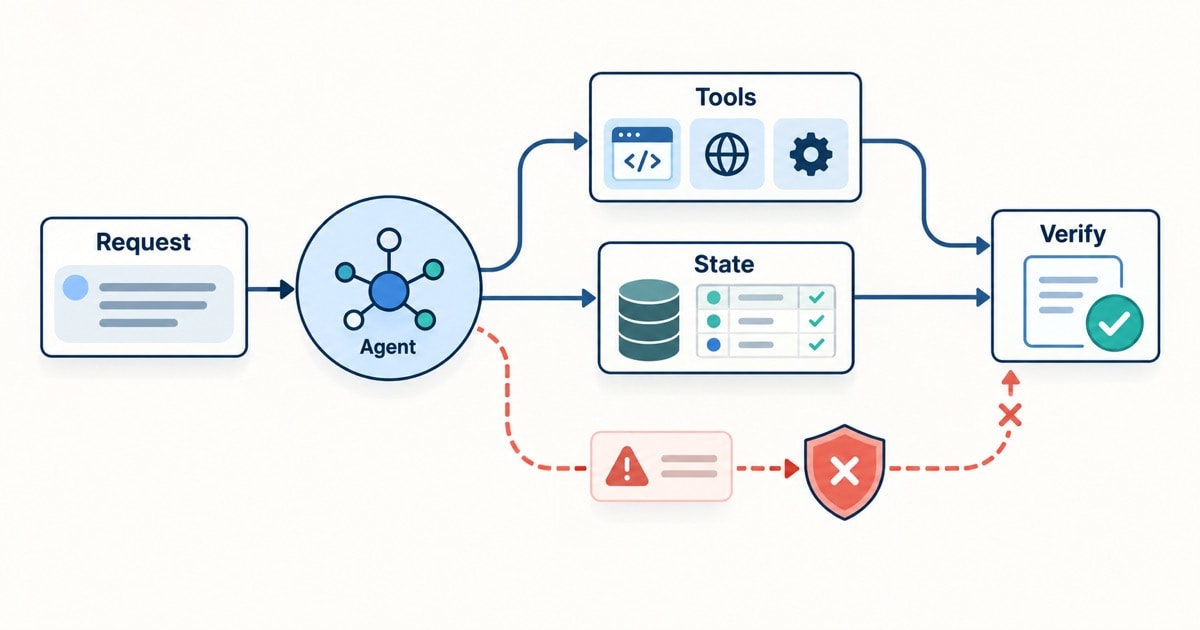
Quick summary Evaluate actions and answers: polished text can hide a failed workflow. Check three surfaces: the outcome, tool-use path and final external state. Combine suitable graders: deterministic checks, rubrics and human review. Learn from failures: turn traces into regression cases and measure cost and constraints. AI agent evaluation starts with a simple reality: an […]
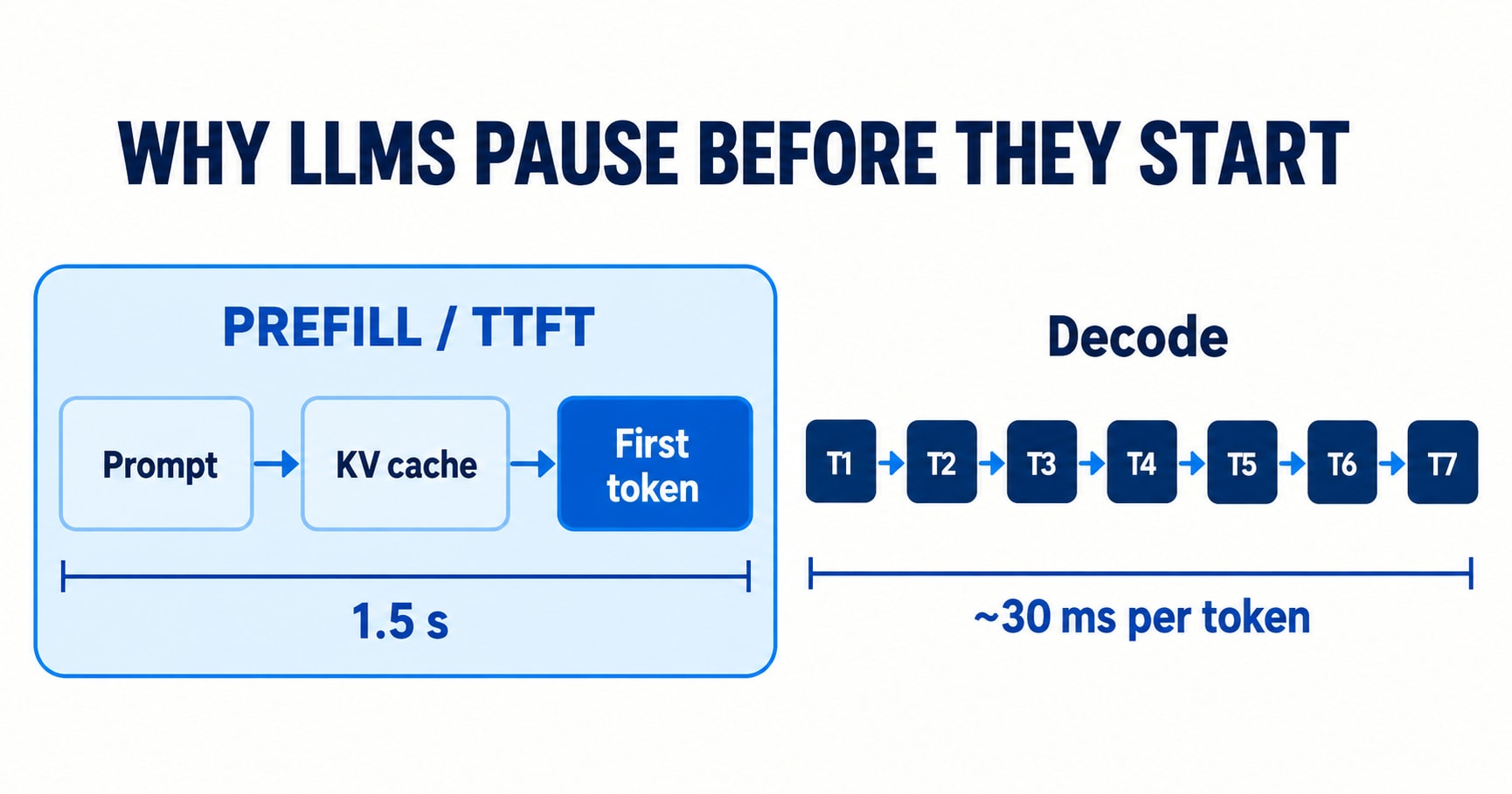
Quick summary Separate latency measures: first-token delay differs from later token cadence and total time. Inspect preparation work: retrieval, queueing, prompt processing and networking contribute. Measure the bottleneck: avoid treating every delay as model slowness. Reduce avoidable work: bound retrieval, reuse stable prefixes and tune serving policy. Time to first token (TTFT) explains a familiar […]
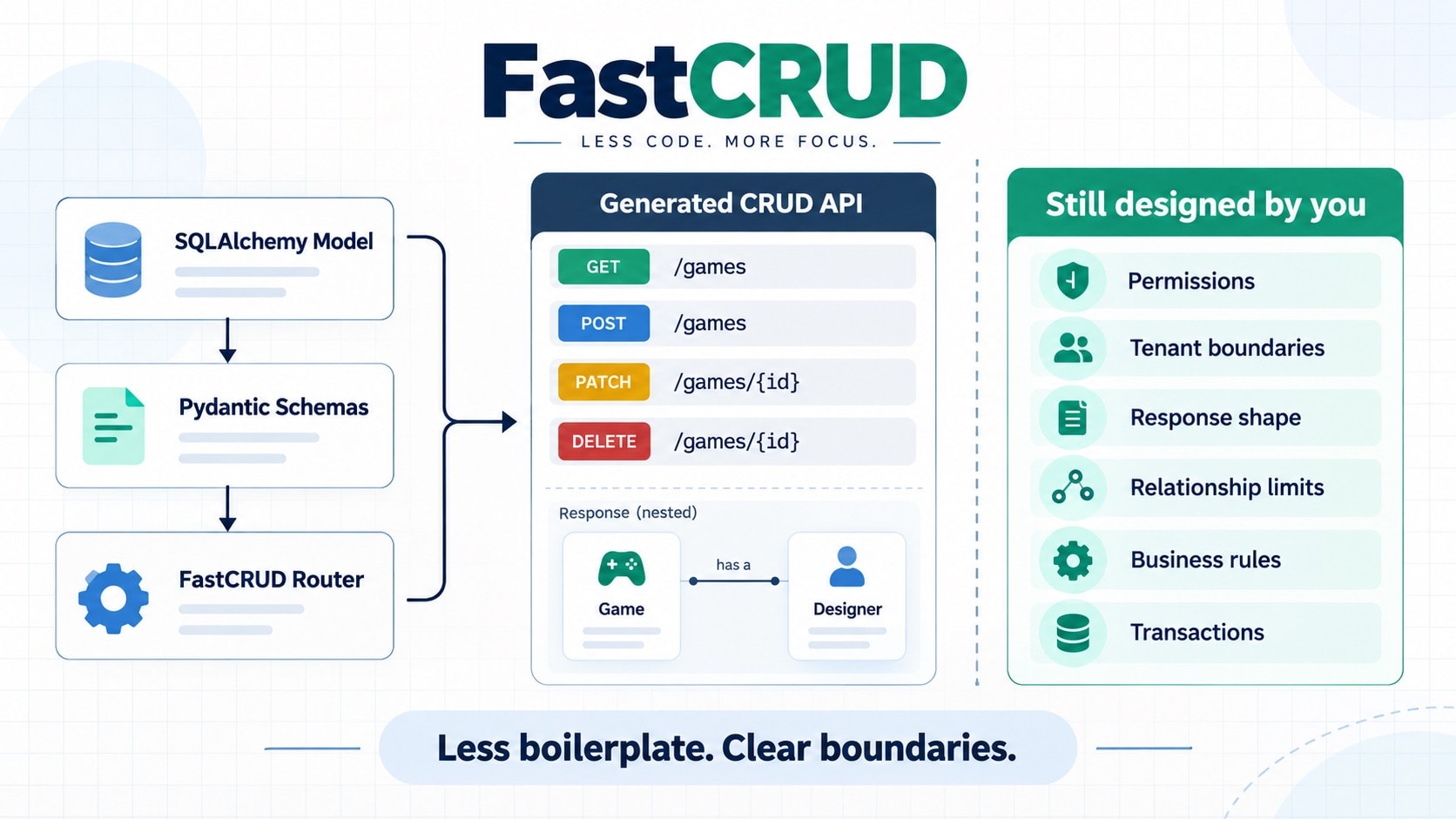
Quick summary Automate predictable CRUD: FastCRUD reduces repeated endpoint and data-access wiring. Expose relationships deliberately: control fields and response sizes. Keep business rules explicit: permissions, tenant boundaries and transactions remain design choices. Use custom endpoints when needed: complex domain workflows may need a service layer. One FastAPI tool I’ve found genuinely useful lately is FastCRUD. […]
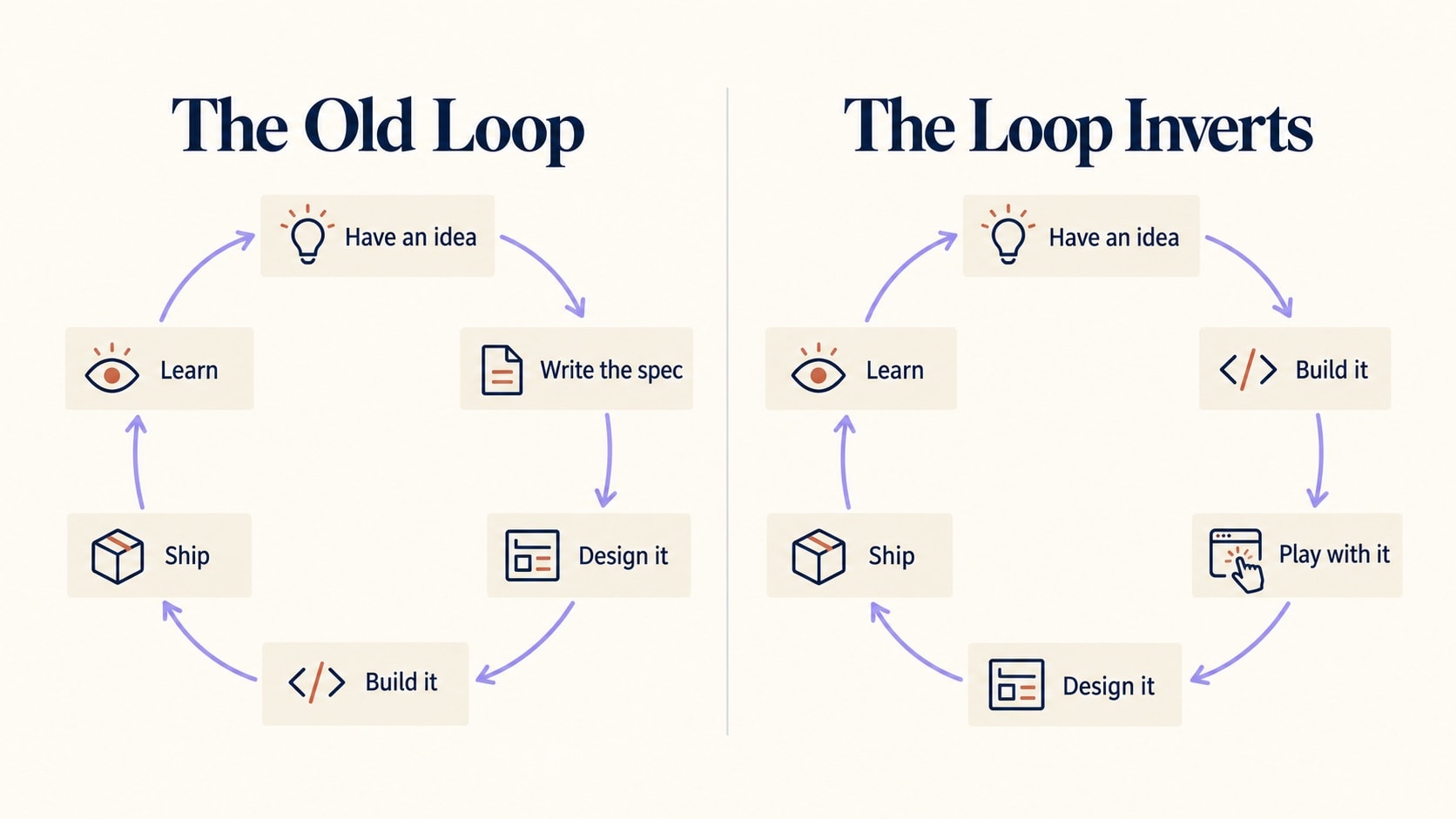
Quick summary Prototype to learn sooner: test a specific user assumption with a small interaction. Separate possibility from value: a working demo does not establish usefulness or trust. Keep judgement central: research, design trade-offs and technical ownership remain essential. Invest after learning: decide what deserves production work. AI product development now has a much cheaper […]
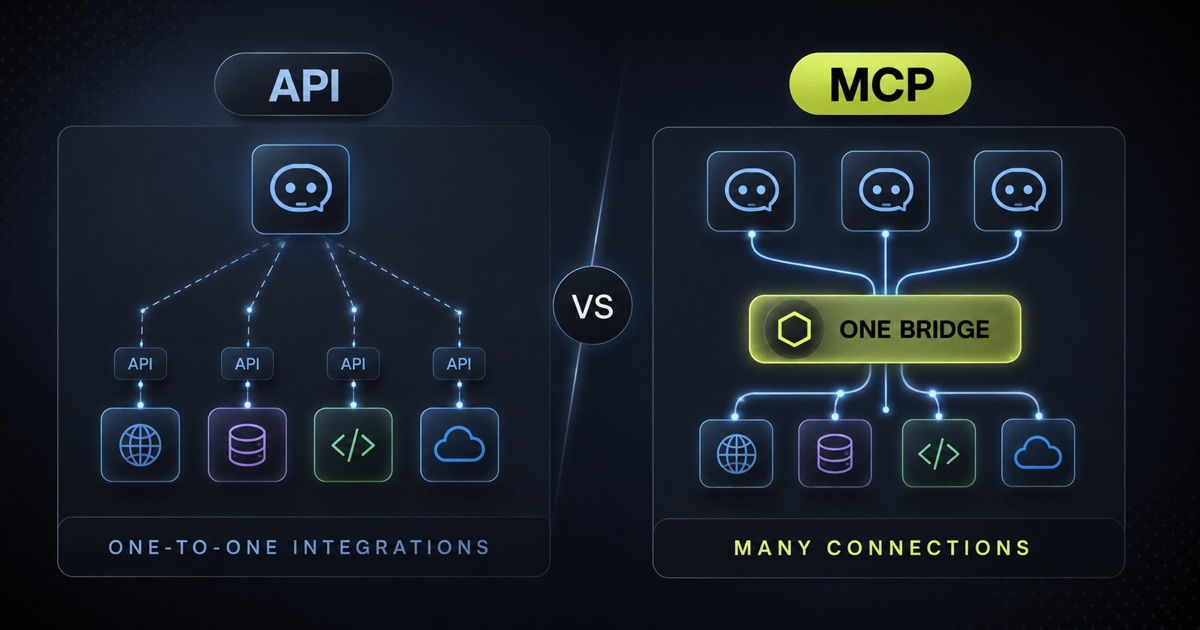
Quick summary APIs expose capabilities: An API defines how software interacts with a system. MCP standardises discovery: AI applications use a common protocol to find and call tools and access context. They work together: MCP often sits above existing APIs rather than replacing them. Choose by workflow: Fixed integrations and assistants that select tools have […]
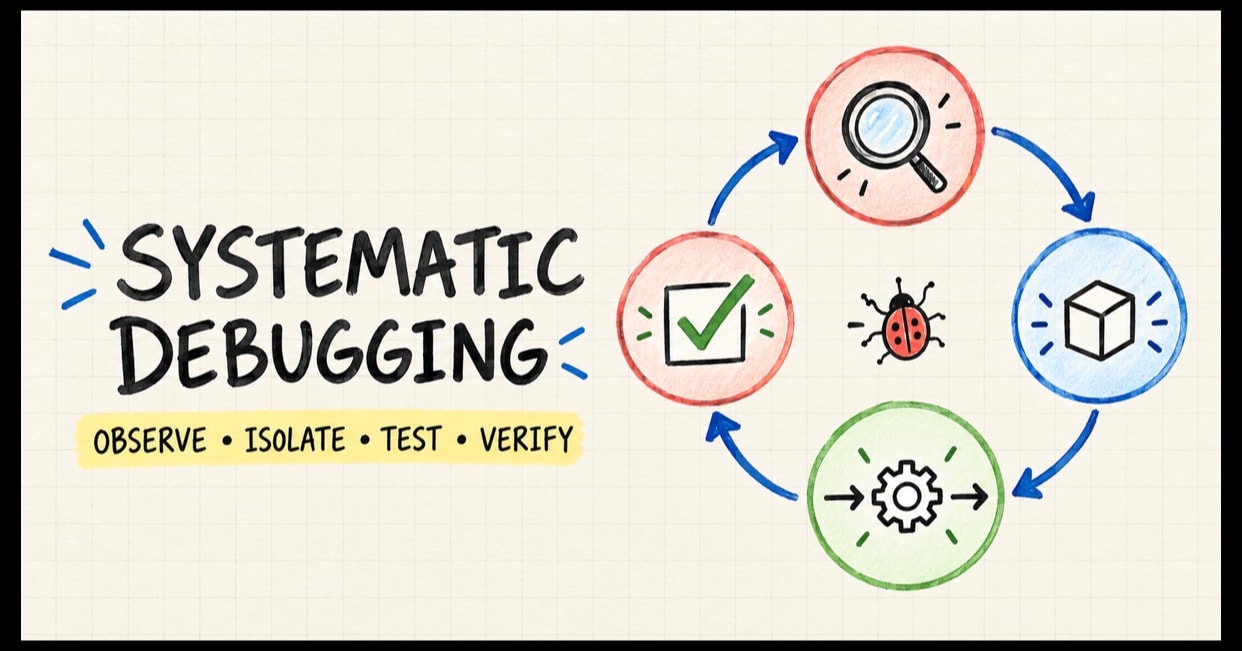
Quick summary Reproduce the symptom: Start with a clear difference between expected and actual behaviour. Isolate the cause: Reduce the case and use logs, metrics and traces to find where behaviour changes. Test one hypothesis: Make a focused change that can confirm or reject a specific explanation. Verify the fix: Check the outcome and add […]
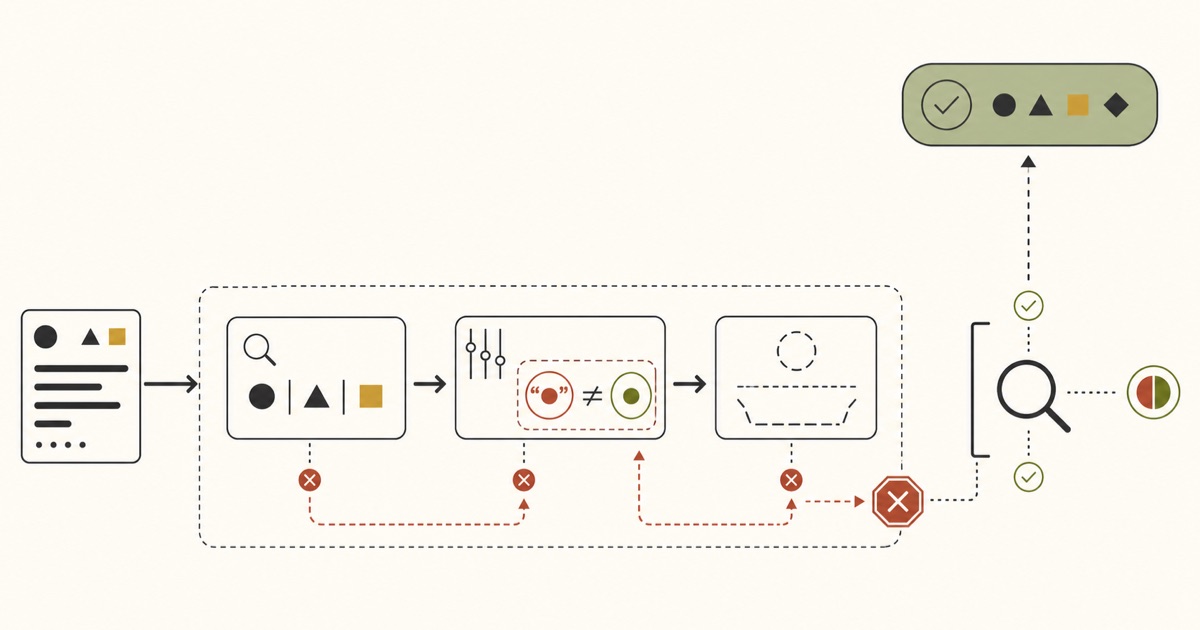
Quick summary A correct final response does not prove that an autonomous agent used the right tools or completed the requested action. Trajectory evaluation scores observable execution steps, including tool calls, outputs, retries, and state transitions. Agent task success and tool use quality expose different failure modes, so evaluate them separately. Start with one important […]

Quick summary Contextual Retrieval adds a short explanation of where a chunk sits in its source document and what it refers to. The added context is used for both embedding-based retrieval and BM25-based retrieval. Anthropic’s 67% figure applies when Contextual Retrieval is combined with reranking in its reported evaluation. A small knowledge base may be […]

Quick summary Business rules should not depend directly on HTTP, SQL or a broker. SOLID keeps modules understandable; it does not prescribe an entire system. DDD earns its cost where business language and rules are complex. Events decouple completed facts from follow-up work, while adding delivery and consistency trade-offs. A feature request looks small until […]

Quick summary Trace startup in stages: entrypoint, initialisation, session setup and rendering. Keep fast paths lightweight: simple commands need not load the full interactive application. Overlap independent work: prefetching can reduce visible startup delays. Separate responsibilities: orchestration and deferred work provide reusable design lessons. When you type claude into your terminal, there is a highly sophisticated Claude Code […]

Quick summary Treat context as a limited working set for the next action, not an archive of everything the agent has seen. Keep durable facts separate from transient conversation history and task-specific retrieved evidence. Retrieve a small, explainable set of relevant items, then filter or compress the rest before it reaches the model. Reserve tokens […]