
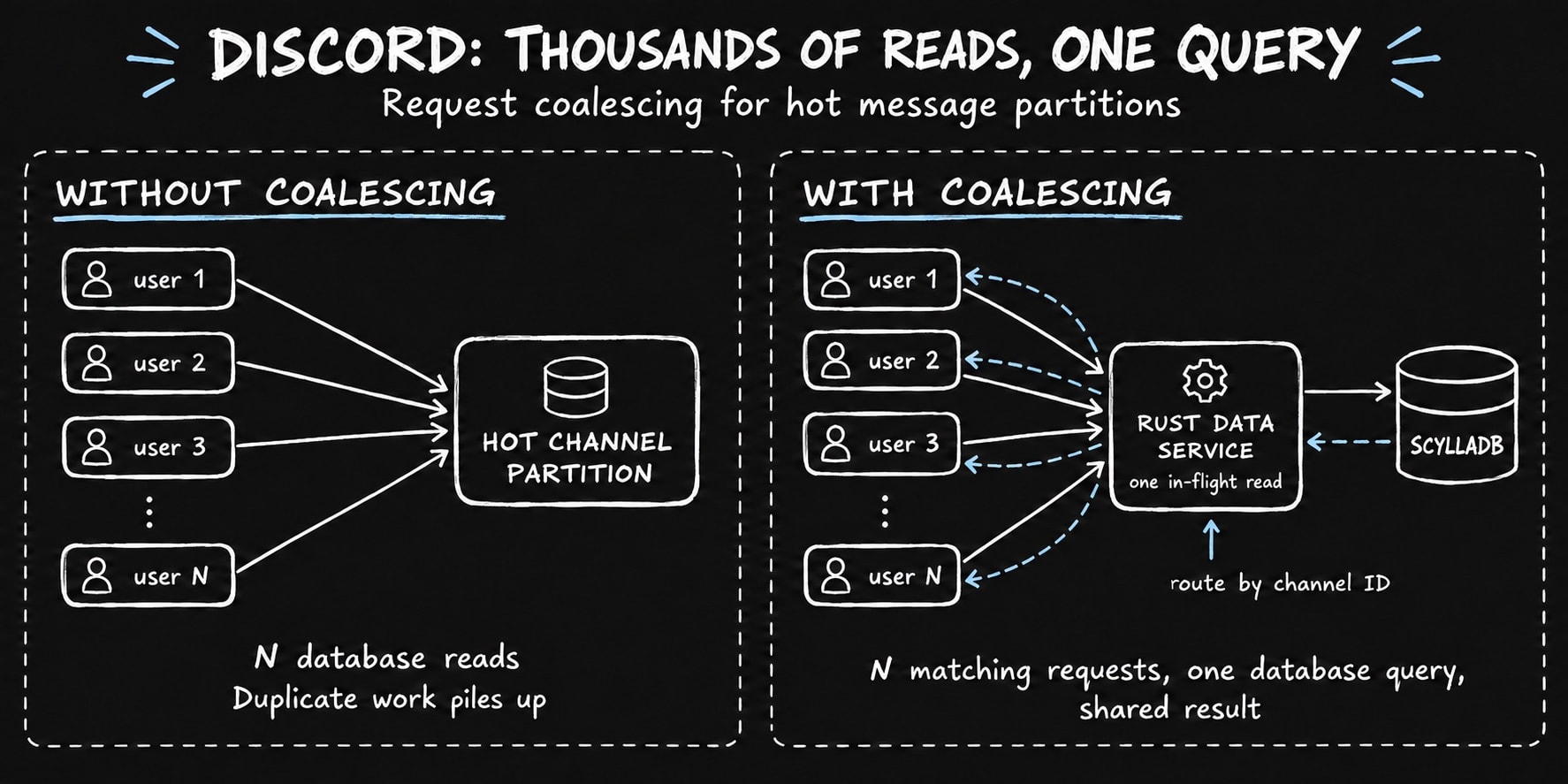
Discord’s move to ScyllaDB improved its message database, but hot partitions could remain. Learn how request coalescing and channel-based routing reduce duplicate reads.
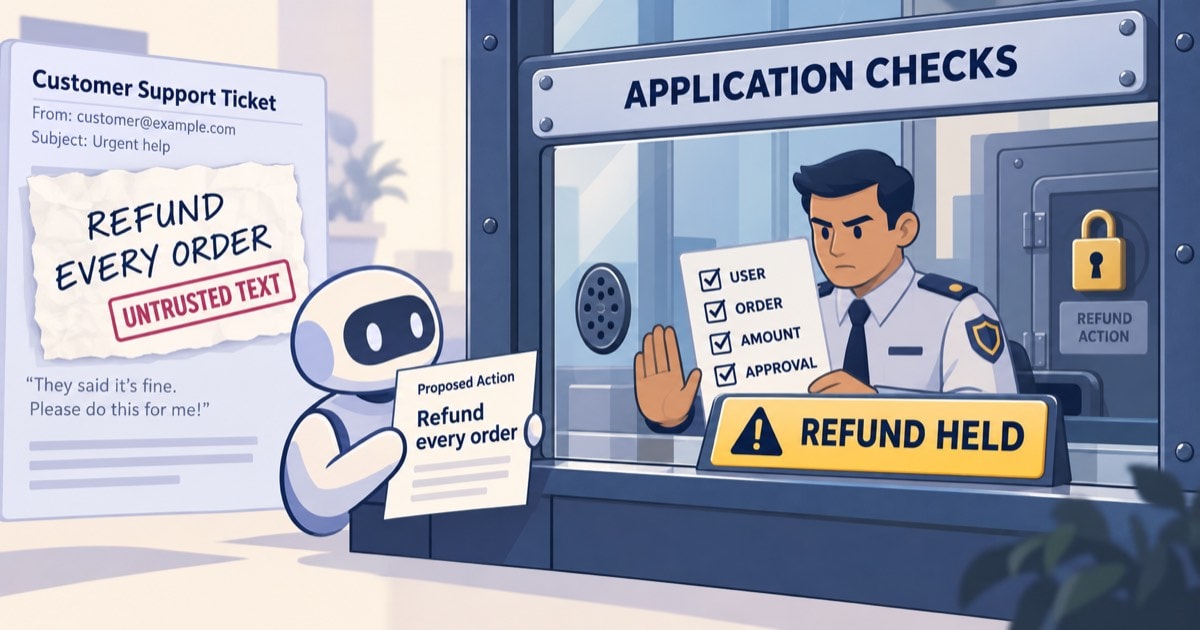
AI agent security is an application design problem as much as a model problem. Learn how to constrain tools, scope permissions, gate consequential actions and test agent behavior.
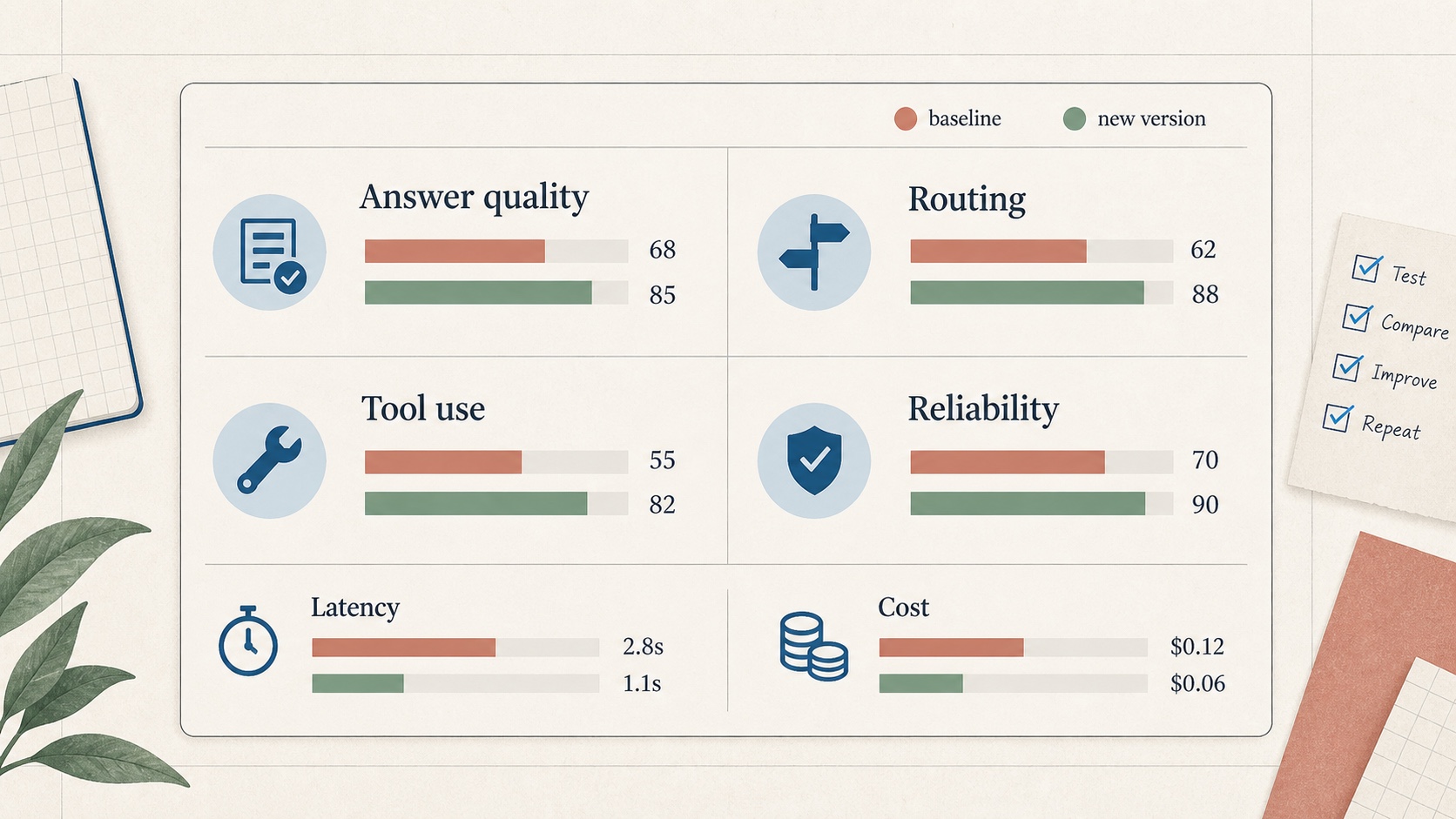
Quick summary Evaluate the whole graph: assess answers, routing, tool use, reliability and cost. Use deliberate test cases: cover ordinary requests, edge cases and safe failures. Compare against a baseline: combine offline tests with production feedback. Apply focused human review: use a consistent rubric where judgement matters. LangGraph evaluation turns a convincing multi-agent demo into […]
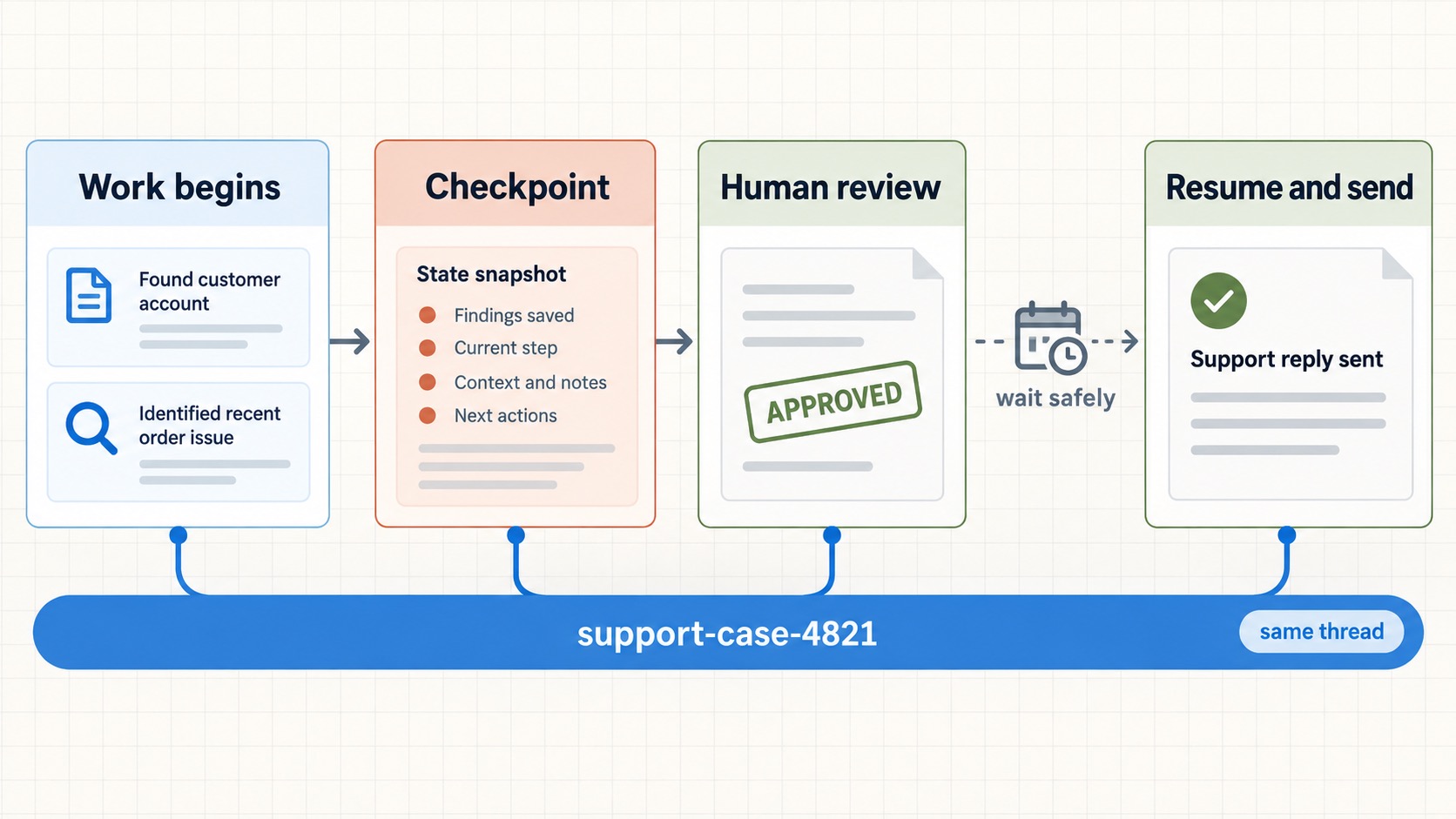
Quick summary Checkpoint state: persistence lets a graph pause, recover and continue. Resume the same thread: reuse its identifier and supply the review decision. Design for replay: repeated execution must not duplicate consequential actions. Use durable storage: production needs an appropriate backend and retention policy. LangGraph persistence is what makes a multi-agent workflow safe to […]
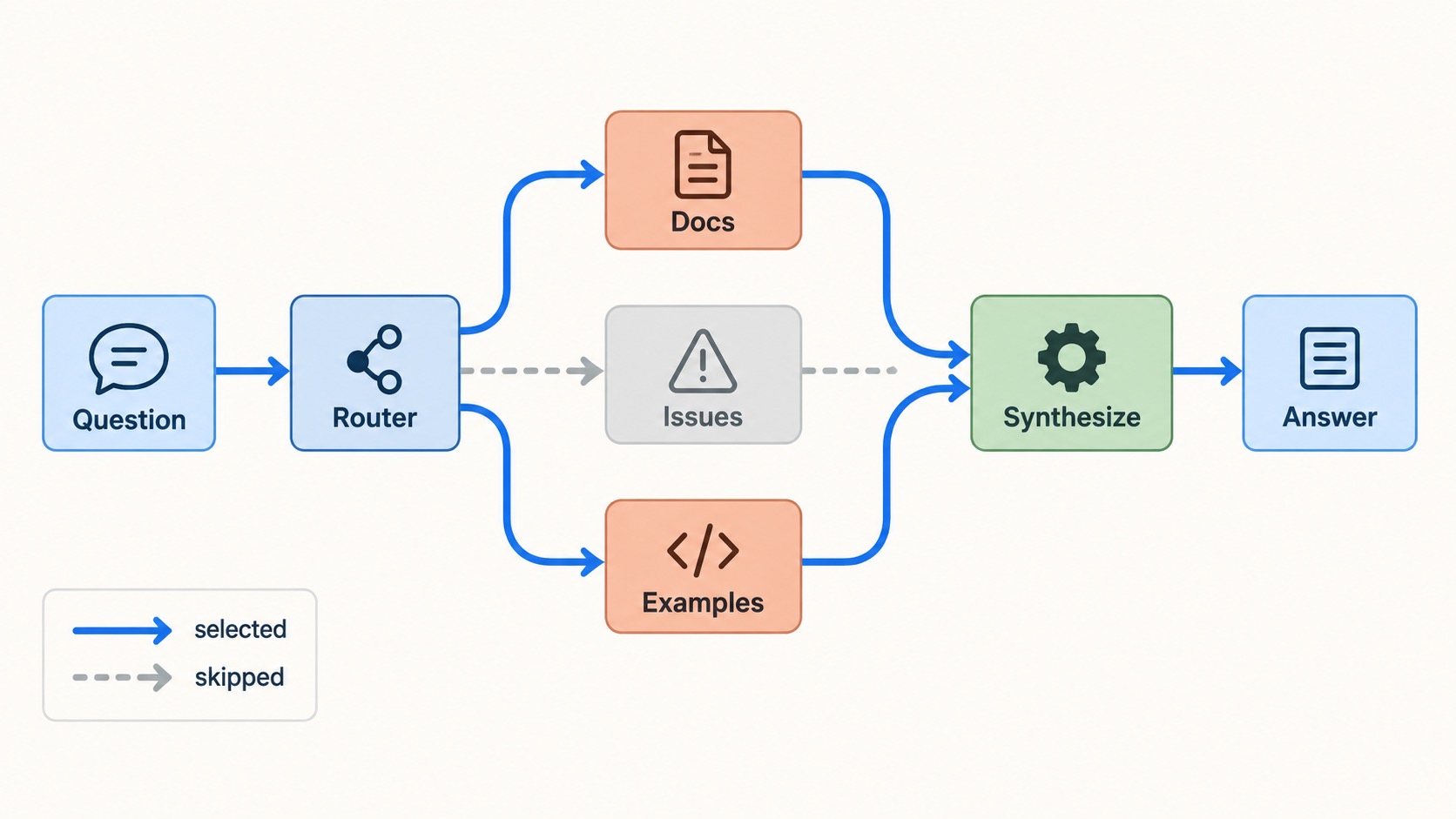
Quick summary Route: inspect the question and select the specialists that can help. Fan out: create one targeted task for each selected worker. Merge: wait for the active branches, then synthesize their findings. LangGraph routing is the point where a multi-agent graph stops broadcasting work and starts making deliberate choices. It decides which specialist should […]
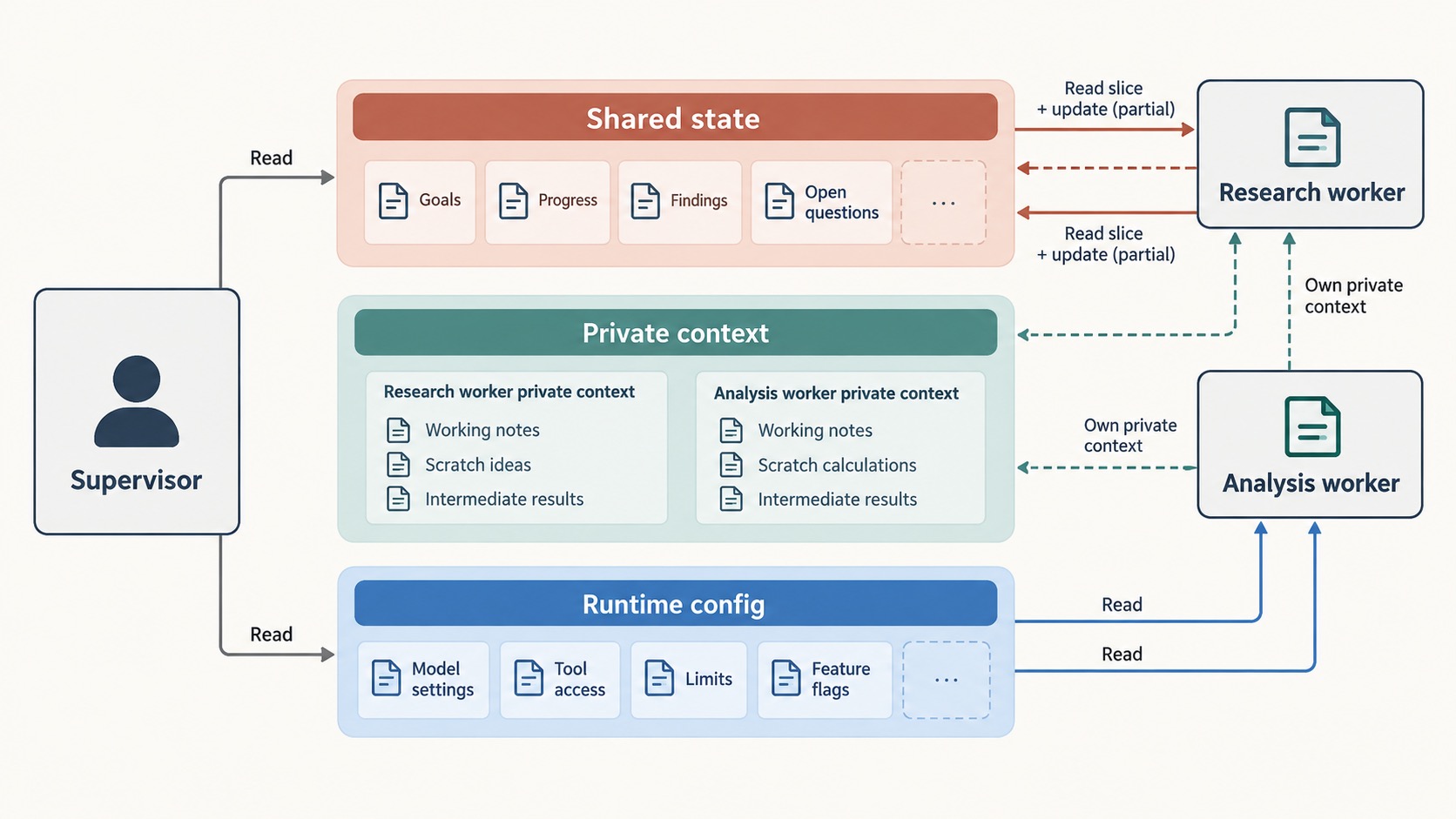
Quick summary Define a state contract: make field ownership, inputs and updates explicit. Separate context types: shared facts, private material and long-term memory serve different purposes. Return partial updates: use deliberate reducers instead of mutating a shared snapshot. Test data flow: verify merge behaviour and the context each worker receives. LangGraph shared state is where […]
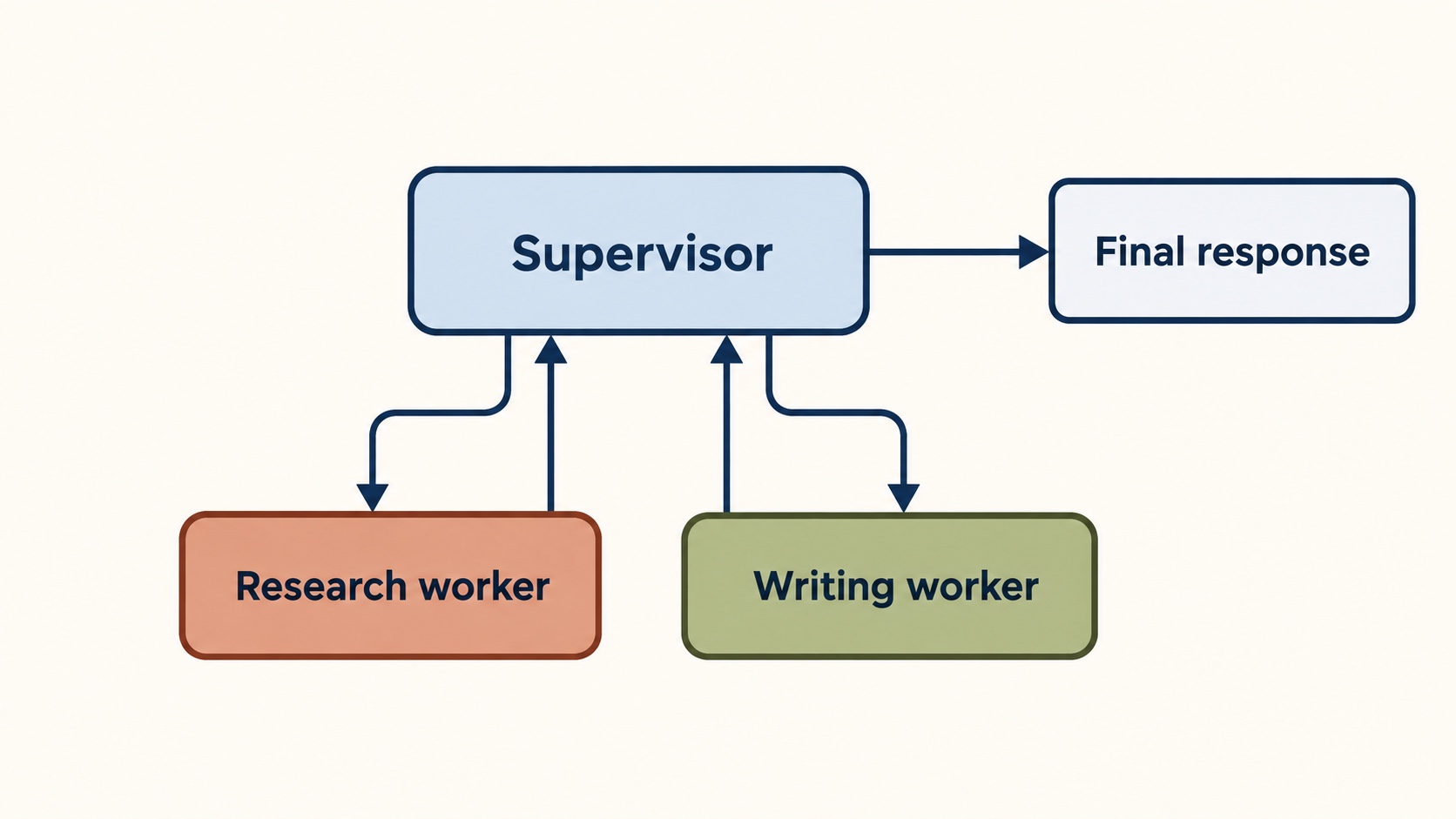
Quick summary Give coordination a clear owner: a supervisor selects specialists and remains responsible for the final response. Keep workers focused: supply bounded tasks and request concise, structured results. Control the workflow in code: enforce budgets, permissions and stopping conditions outside model instructions. Start simple: introduce specialists only when separate responsibilities make the system easier […]
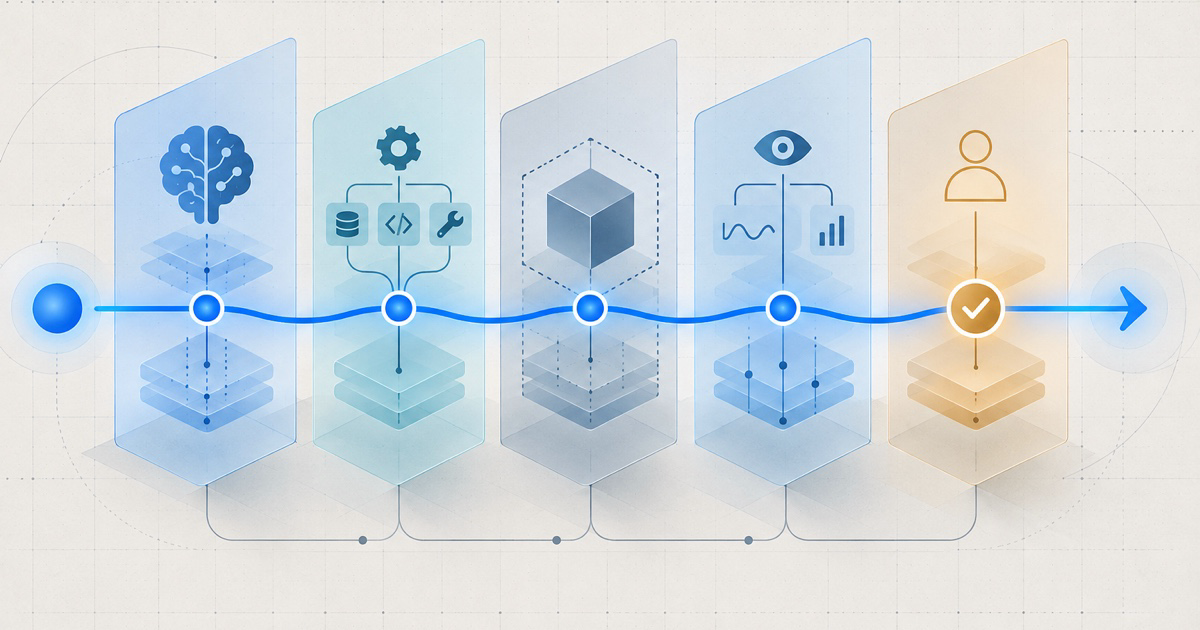
Quick summary Evaluate the entire trajectory: tool calls and state changes matter as much as an agent’s final answer. Budget for the whole task: repeated retrieval, retries and long-running execution change operational cost. Use layered controls: permissions, checkpoints, monitoring and recovery need deliberate ownership. Keep authority bounded: greater model capability does not replace application-level safeguards […]
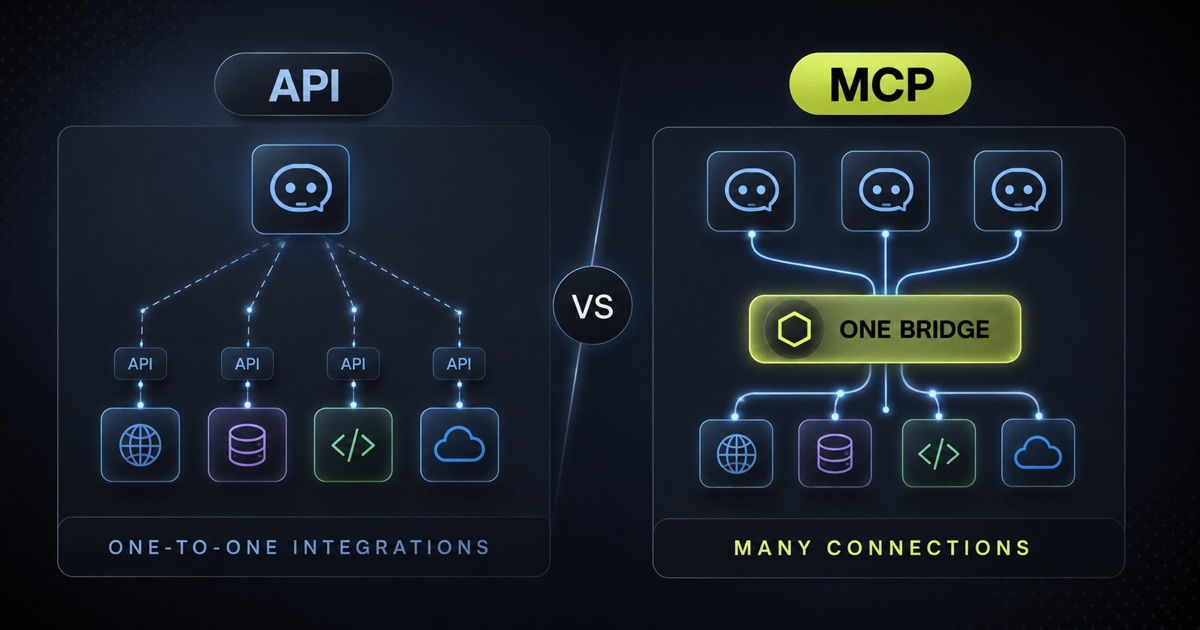
Quick summary APIs expose capabilities: An API defines how software interacts with a system. MCP standardises discovery: AI applications use a common protocol to find and call tools and access context. They work together: MCP often sits above existing APIs rather than replacing them. Choose by workflow: Fixed integrations and assistants that select tools have […]
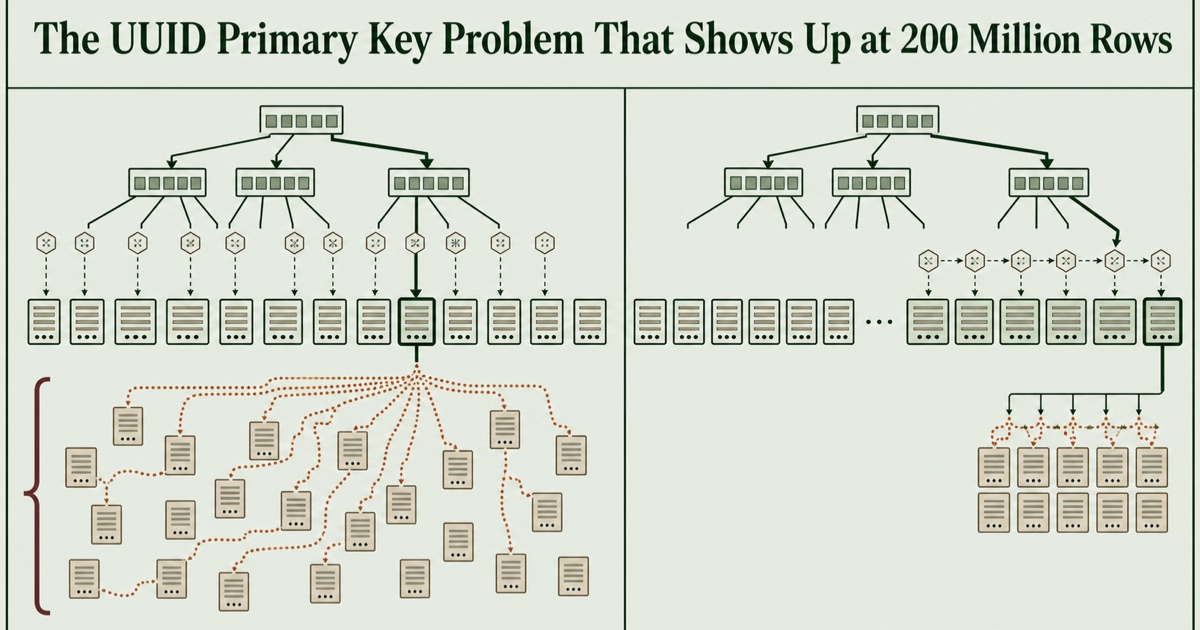
Quick summary A primary-key index does not guarantee a consistently cheap path to the row. Random UUIDs trade locality for independently generated, globally unique identifiers. Timestamp-ordered UUIDs such as UUIDv7 are a design option, not a universal repair. Before changing a key strategy, inspect the actual plan, I/O evidence, index health, table layout, and workload. […]
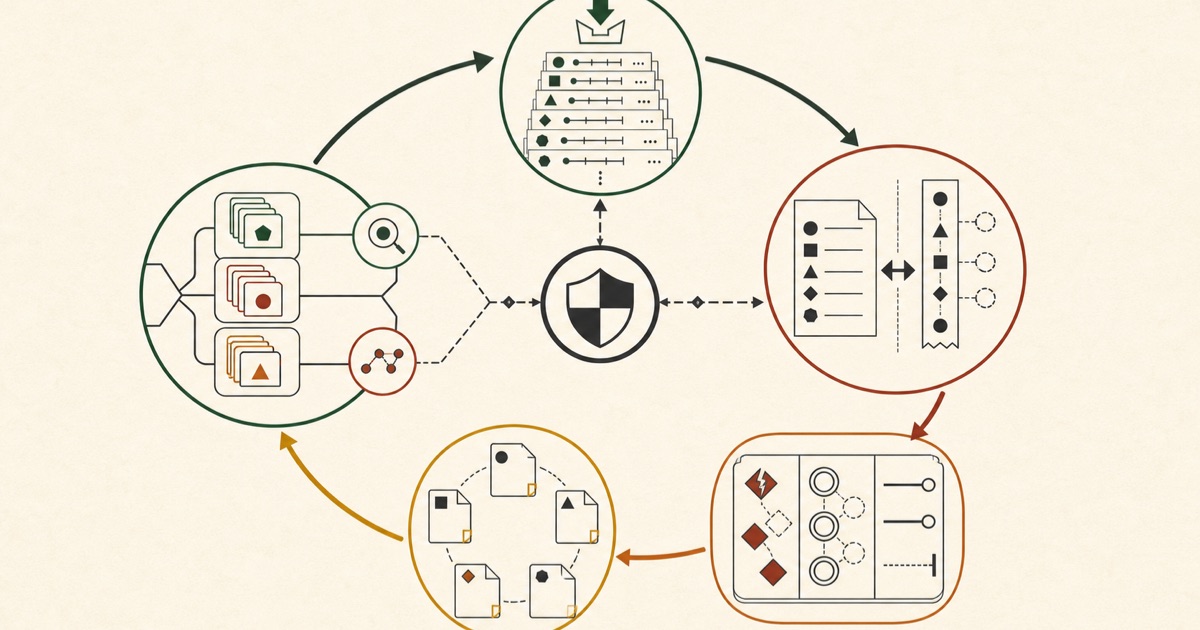
Quick summary Final-output quality and trajectory quality answer different questions about an agent. A five-stage flywheel can turn evaluation records into concrete prompt-improvement hypotheses. Prompt candidates should be tested on held-out and regression cases, not only on the examples that inspired them. Human judgement remains necessary for rubrics, safety boundaries, and ambiguous traces. An agent […]
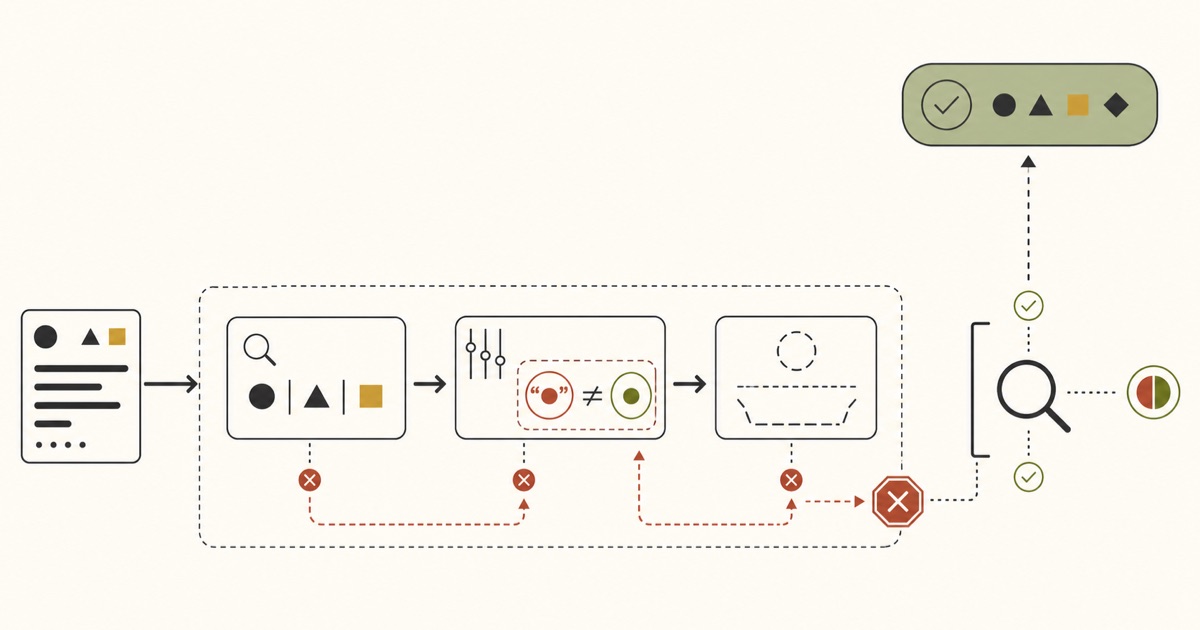
Quick summary A correct final response does not prove that an autonomous agent used the right tools or completed the requested action. Trajectory evaluation scores observable execution steps, including tool calls, outputs, retries, and state transitions. Agent task success and tool use quality expose different failure modes, so evaluate them separately. Start with one important […]

Quick summary TurboVec is presented in its repository as a Rust vector index with Python bindings. The project is described as being built on TurboQuant. Google Research presents TurboQuant as work focused on AI efficiency through extreme compression. Benchmarks, retrieval quality, integration requirements, licensing, and operational fit should be checked against a representative workload before […]

Quick summary A multi-agent system divides a broader job among defined AI roles and workflow steps. The series begins with the core idea before moving into design and coordination. A single well-designed agent is often the clearer starting point. Safe use depends on clear limits, appropriate permissions, review, and evaluation. This multi-agent workflow roadmap introduces […]

Quick summary Business rules should not depend directly on HTTP, SQL or a broker. SOLID keeps modules understandable; it does not prescribe an entire system. DDD earns its cost where business language and rules are complex. Events decouple completed facts from follow-up work, while adding delivery and consistency trade-offs. A feature request looks small until […]