
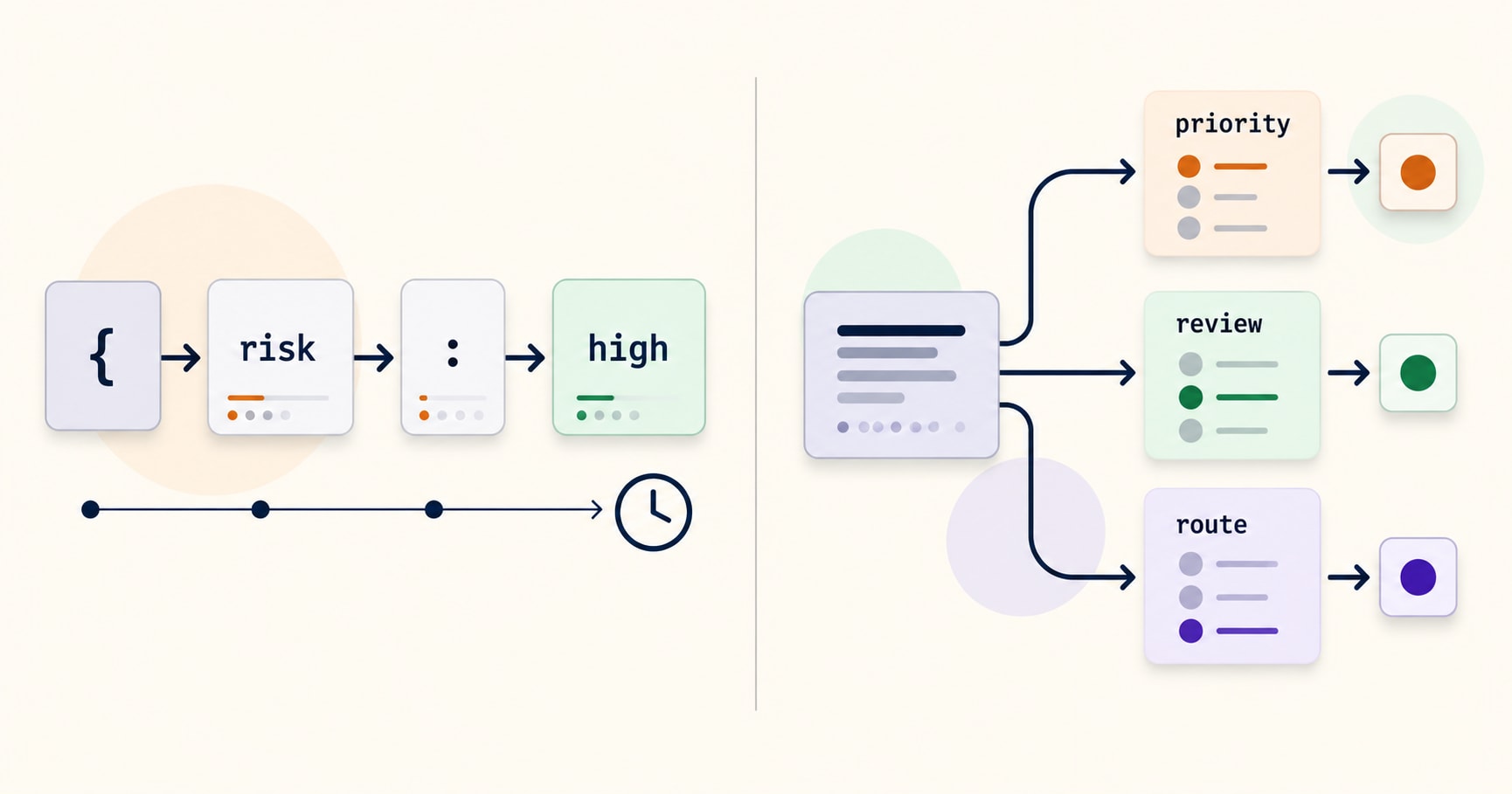
Quick summary Typed decisions: Jev evaluates declared questions in parallel and returns bounded answers instead of generating a JSON string token by token. Keep questions narrow: Define one judgement per field and let application code combine the results. Validate on your own data: Type safety does not guarantee correctness; test accuracy, confidence and review thresholds […]
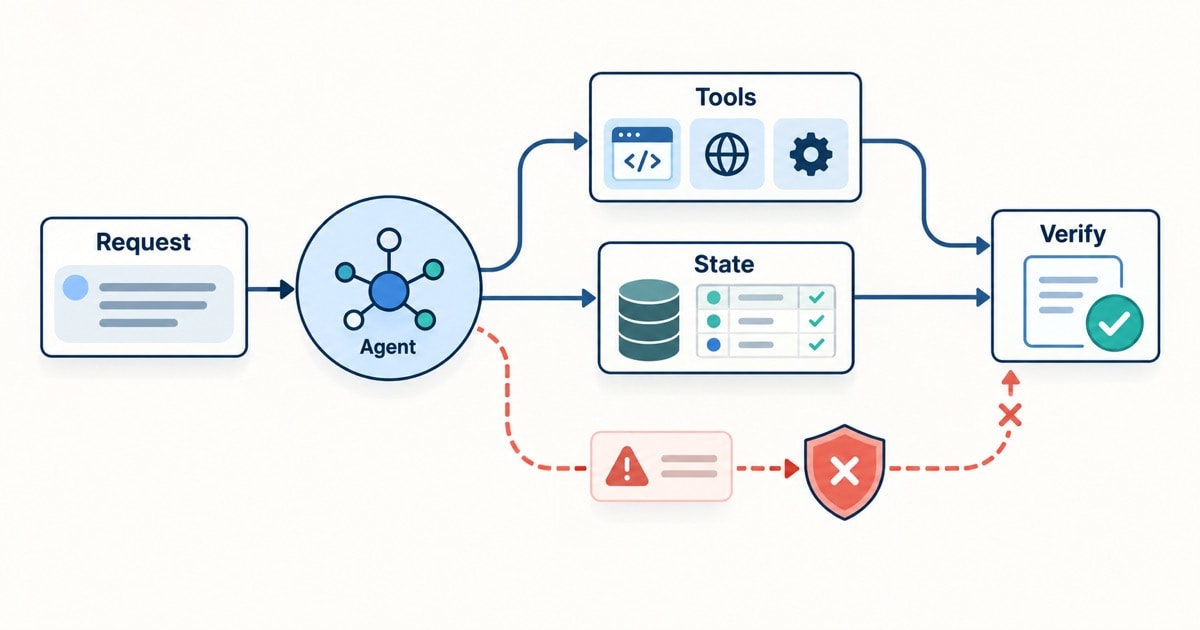
Quick summary Evaluate actions and answers: polished text can hide a failed workflow. Check three surfaces: the outcome, tool-use path and final external state. Combine suitable graders: deterministic checks, rubrics and human review. Learn from failures: turn traces into regression cases and measure cost and constraints. AI agent evaluation starts with a simple reality: an […]

Quick summary Give a personal agent one narrow job, clear inputs, and an output you can inspect. Treat instructions, tools, guardrails, and remembered context as separate choices. Begin with read-only access and require human approval before an external action. Test representative examples before expanding the workflow. The fastest way to get value from a personal […]

Quick summary A correct final response does not prove that an autonomous agent used the right tools or completed the requested action. Trajectory evaluation scores observable execution steps, including tool calls, outputs, retries, and state transitions. Agent task success and tool use quality expose different failure modes, so evaluate them separately. Start with one important […]