
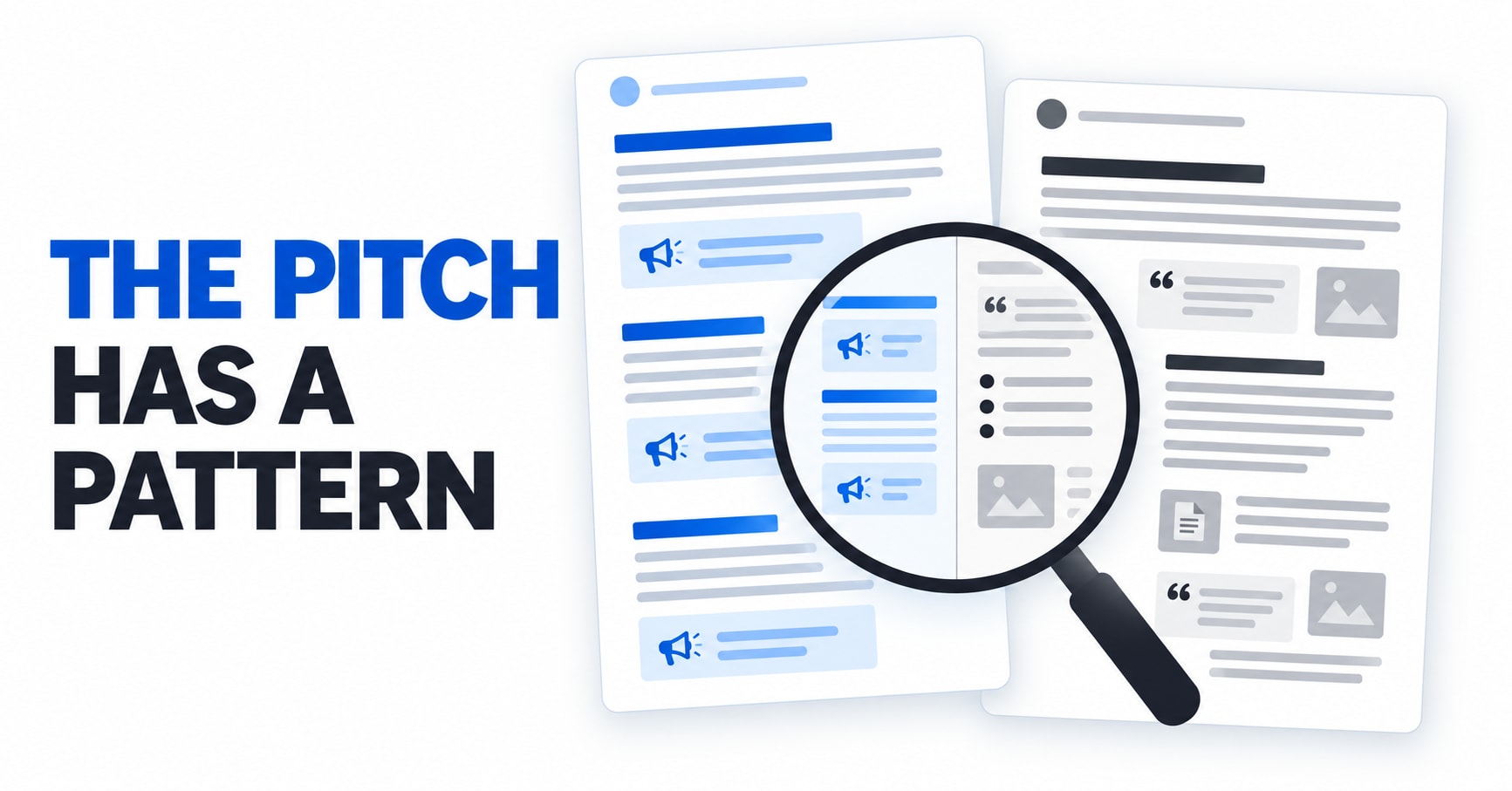
The pitch can change its wording and keep its shape. That is the surprising result behind a new study of AI-written company blogs: an AI-shaped sales pitch may survive after its wording changes. Researchers report that a classifier could still separate AI-generated posts from human originals after the AI rewrote most of its phrasing. The […]
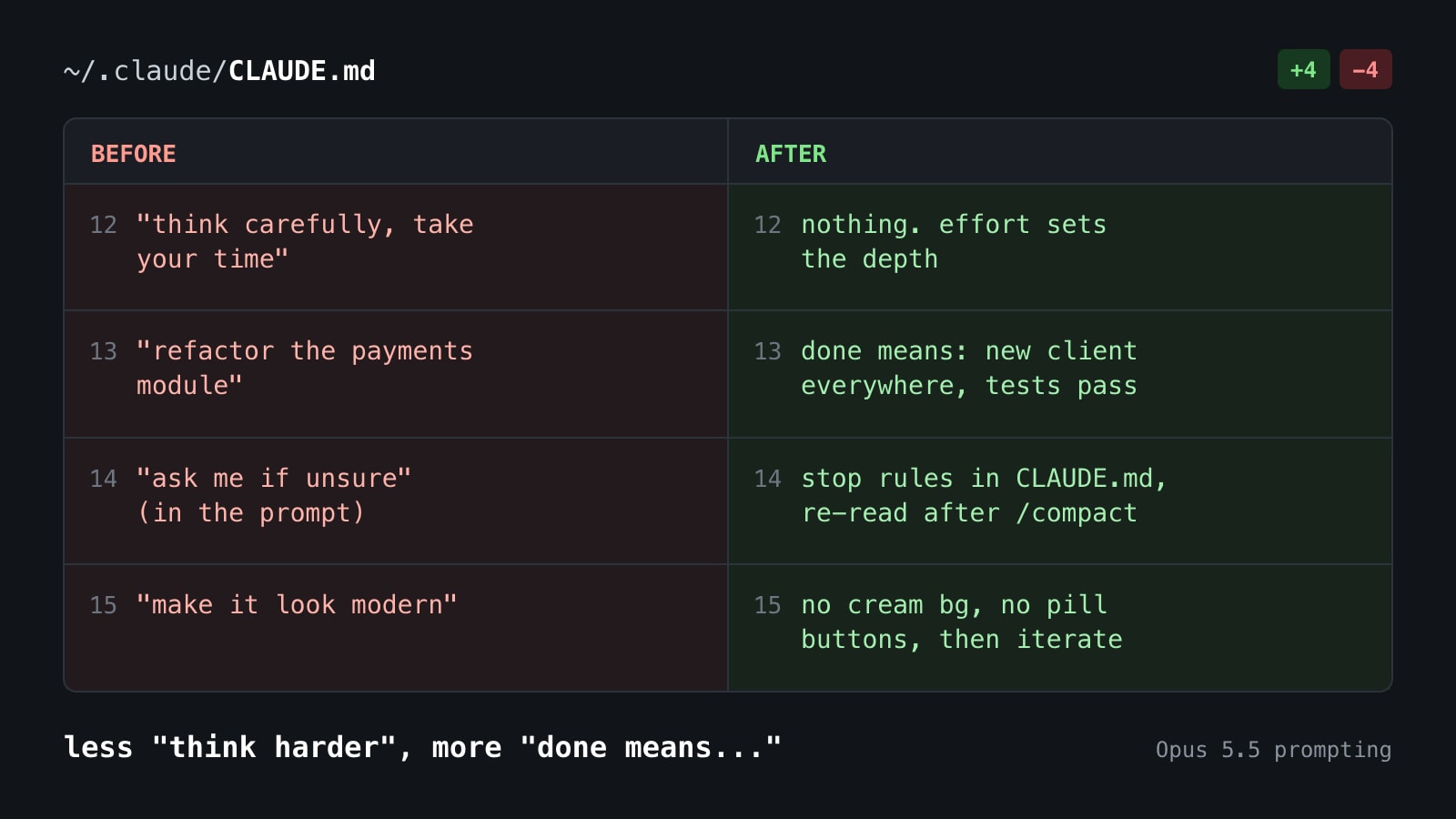
Plenty of developers keep a line like “think carefully, take your time” at the top of their prompts. Many more have it buried in CLAUDE.md, the Markdown file of standing instructions that Claude Code loads at the start of every session. With Claude Opus 5.5, Anthropic’s newest Opus model, that line has quietly stopped earning […]
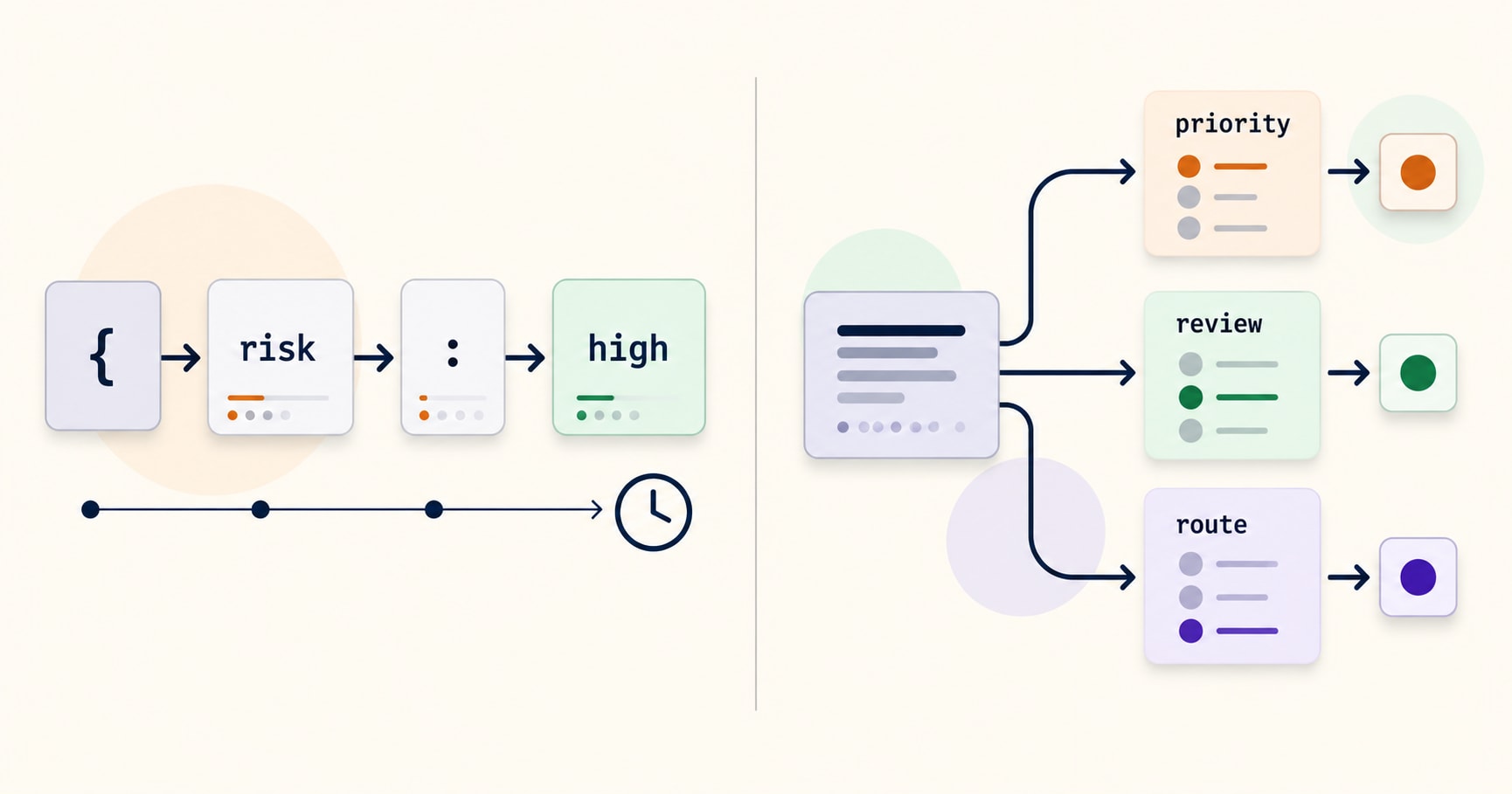
Quick summary Typed decisions: Jev evaluates declared questions in parallel and returns bounded answers instead of generating a JSON string token by token. Keep questions narrow: Define one judgement per field and let application code combine the results. Validate on your own data: Type safety does not guarantee correctness; test accuracy, confidence and review thresholds […]
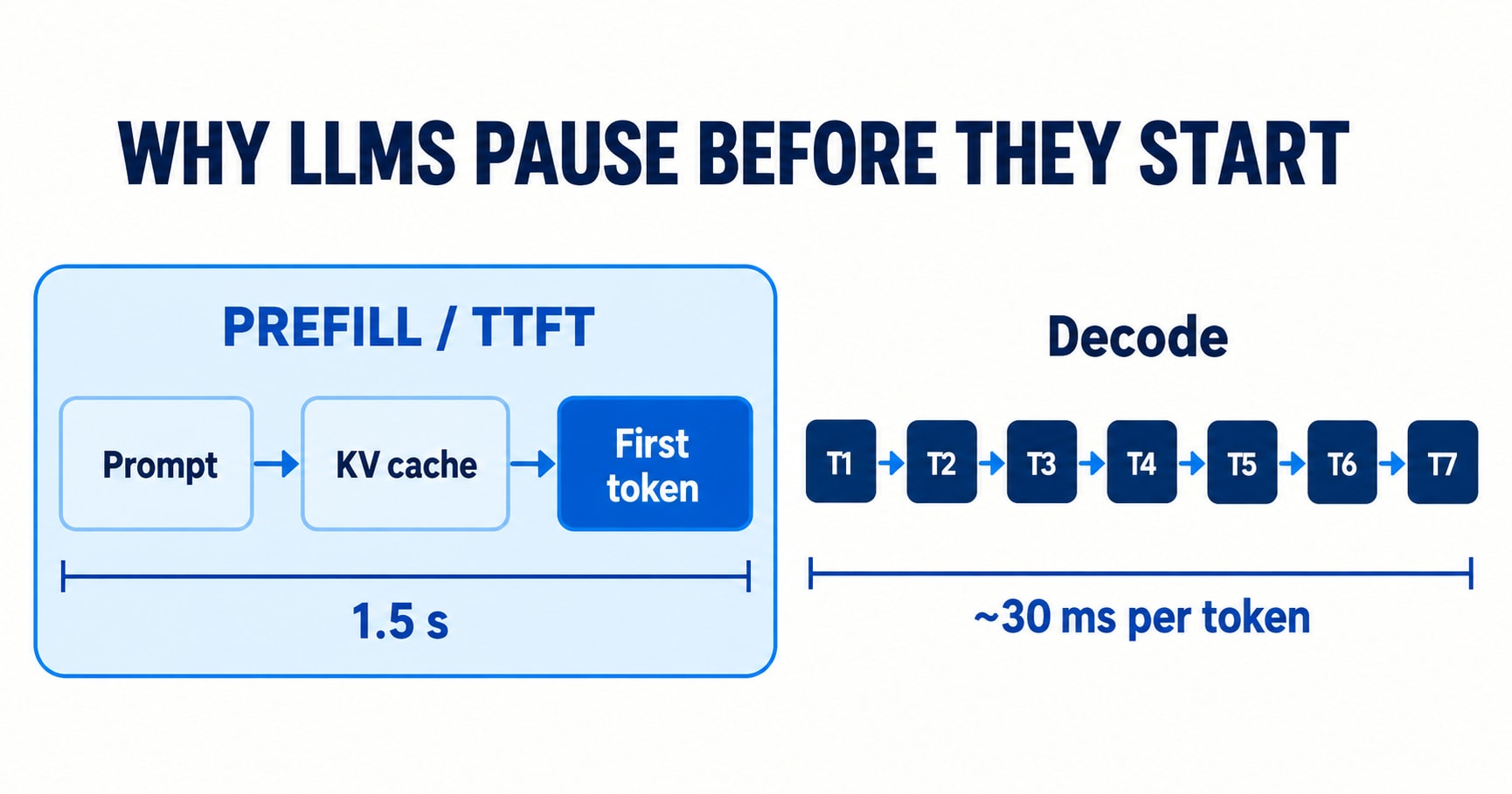
Quick summary Separate latency measures: first-token delay differs from later token cadence and total time. Inspect preparation work: retrieval, queueing, prompt processing and networking contribute. Measure the bottleneck: avoid treating every delay as model slowness. Reduce avoidable work: bound retrieval, reuse stable prefixes and tune serving policy. Time to first token (TTFT) explains a familiar […]

Quick summary The article examines an AGI claim: it connects reported benchmark performance with the compute needed to obtain it. Separate scores from practical value: demanding evaluations do not by themselves establish affordable everyday usefulness. Autonomy creates additional costs: a persistent workflow needs clear goals, spending limits and ways to stop. Treat headline claims critically: […]
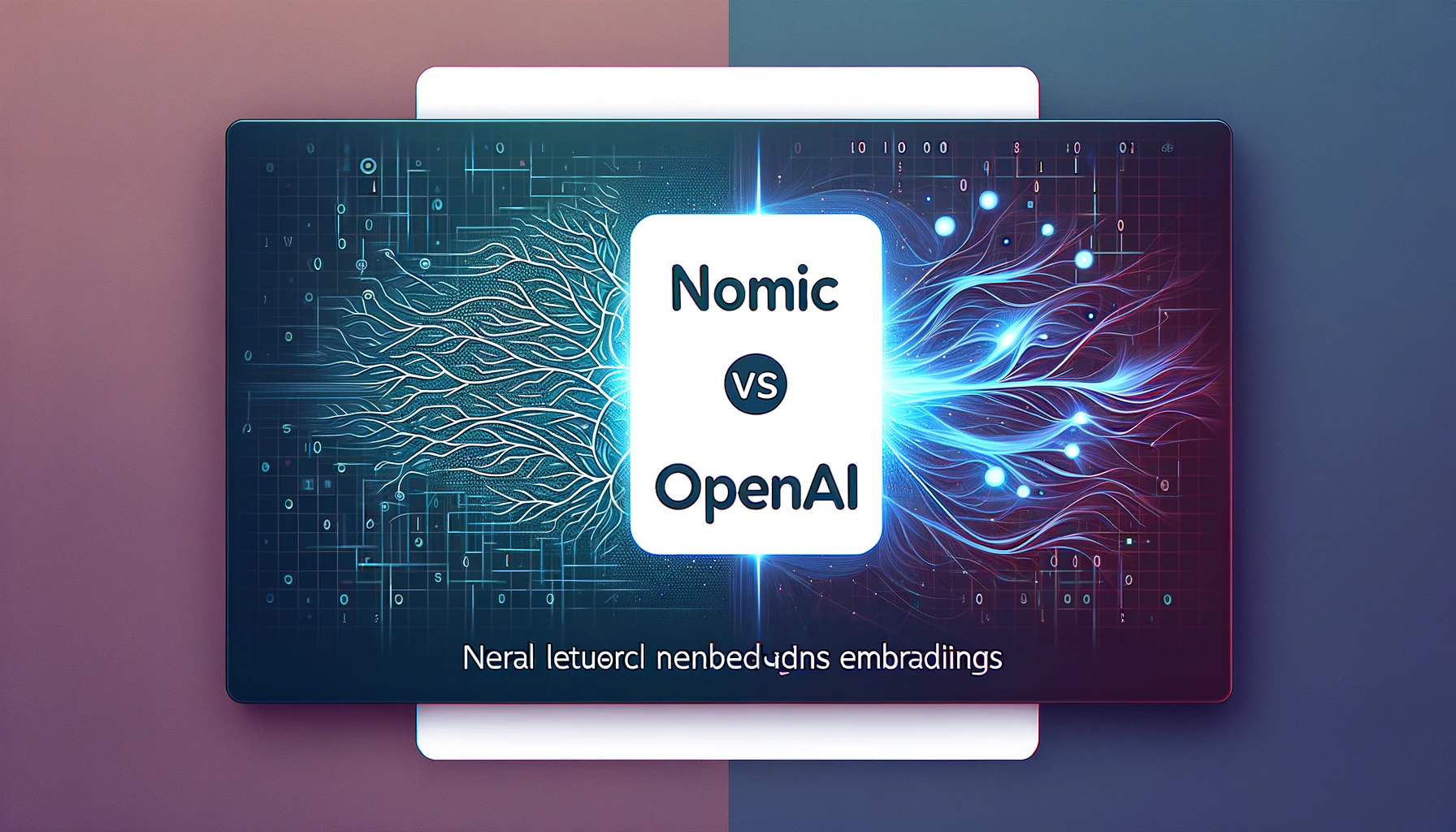
Quick summary The comparison centres on embeddings: the article contrasts Nomic with selected OpenAI models. Openness is a main theme: model access, training materials and reproducibility shape the discussion. Read benchmark results by task: the table presents different evaluations rather than one universal measure. Consider application needs: context length, auditability and retrieval performance affect model […]

Quick summary The article introduces the early Gemma models: it discusses text generation, question answering and summarisation. Different variants serve different uses: pre-trained and instruction-tuned models are part of the overview. Evaluate beyond benchmark scores: the article also addresses training, hardware and practical deployment. Keep limitations in view: bias, task difficulty and language nuance require […]
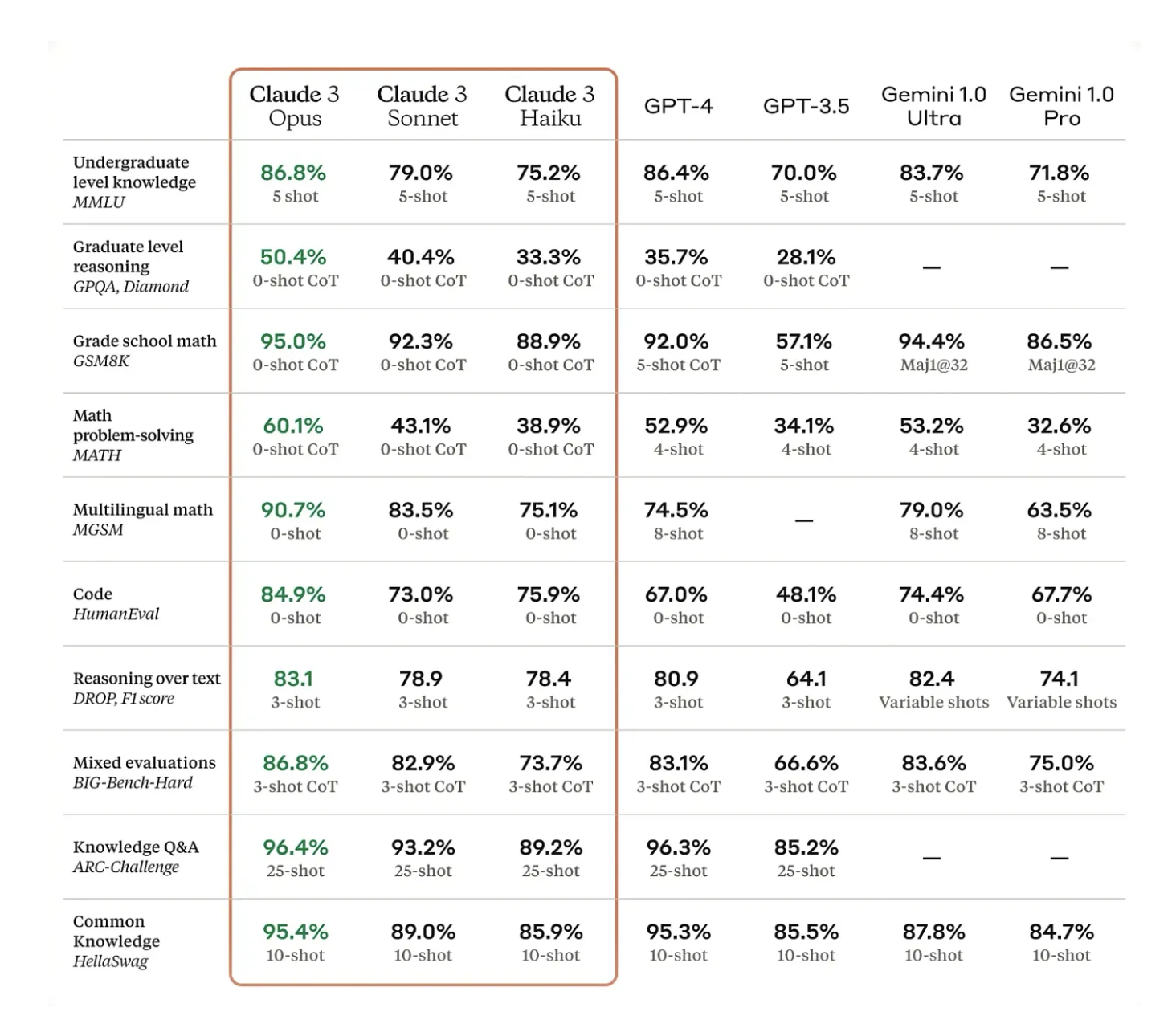
Quick summary The article compares Claude 3 with GPT-4: it discusses capability claims and competition between model providers. Distinguish claims from practical fit: reported demonstrations do not replace evaluation on your own tasks. Stay adaptable: the article encourages developers to assess new models as the landscape changes. Choose for the use case: a model’s particular […]
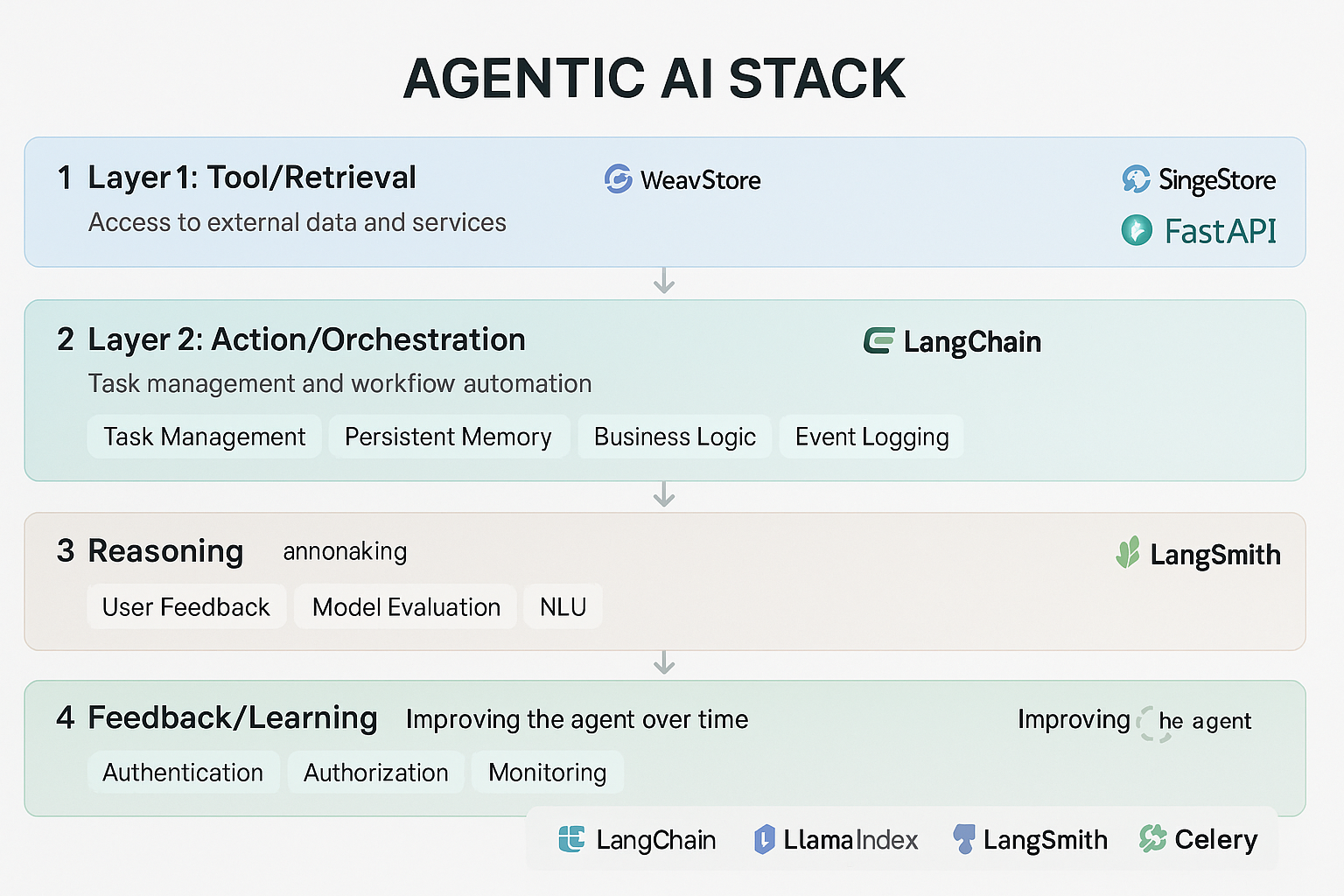
Quick summary Organise by responsibility: the article presents five layers of an agent system. Connect data to action: retrieval and tools feed orchestration and reasoning. Include feedback: evaluation and operational signals support improvement. Build security into the stack: access controls belong alongside functional capabilities. The Agentic AI Stack is a modern framework designed to build […]
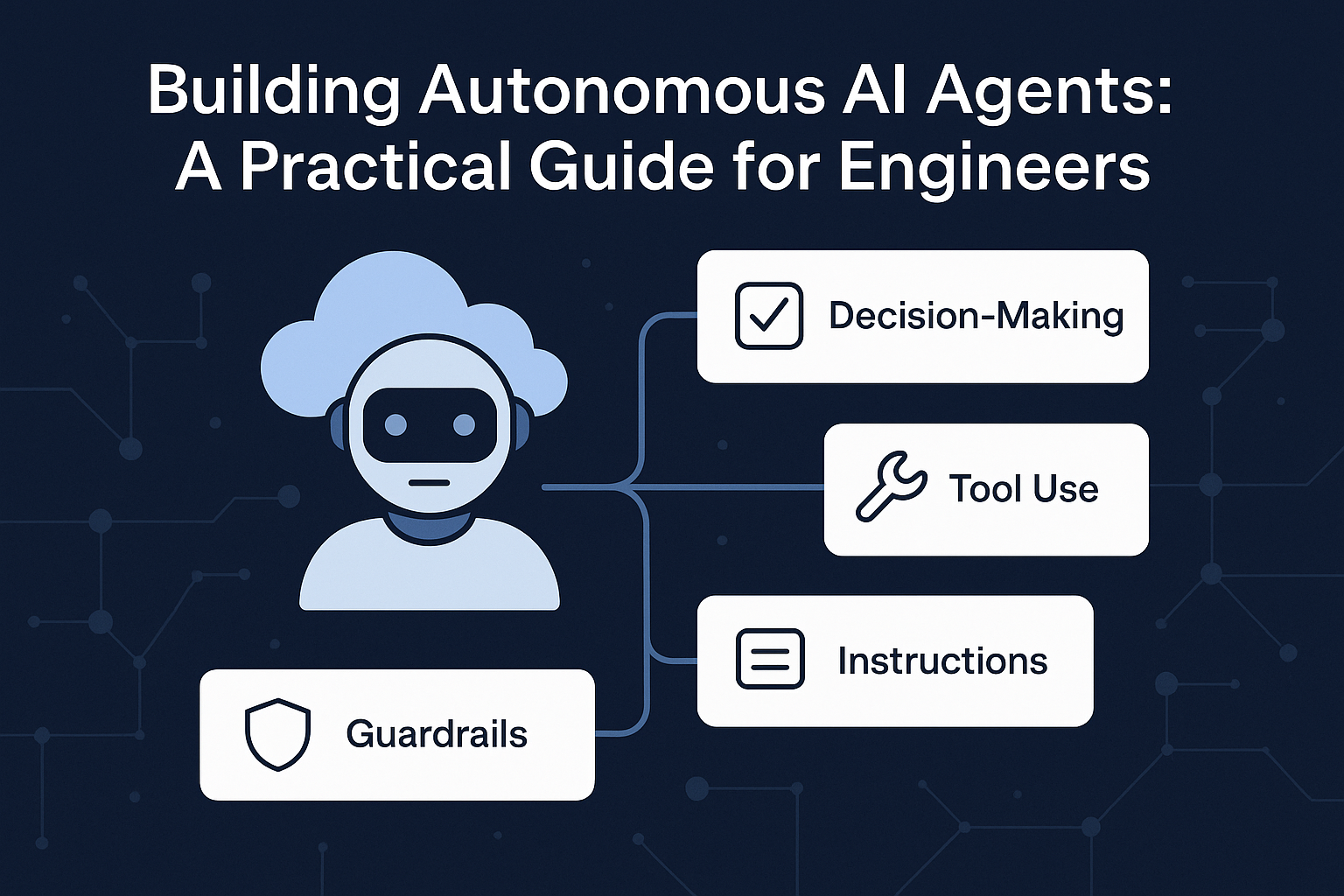
Quick summary Choose the right problem: conventional automation may suit well-defined tasks. Define core components: models, tools, instructions and guardrails shape the system. Start simple: add multiple agents when specialisation justifies the complexity. Deploy incrementally: evaluate behaviour and retain human escalation. As AI moves beyond simple chatbots, building AI agents that can reason and act […]

Quick summary Use specialist handoffs: the article presents a peer-to-peer alternative to supervision. Preserve context: shared state tracks the active agent and conversation. Keep roles focused: the example separates general questions, science and translation. Make routing explicit: handoff tools connect workers into one workflow. Imagine building powerful multi-agent systems with LangGraph Swarm, where agents collaborate […]

Quick summary Trace startup in stages: entrypoint, initialisation, session setup and rendering. Keep fast paths lightweight: simple commands need not load the full interactive application. Overlap independent work: prefetching can reduce visible startup delays. Separate responsibilities: orchestration and deferred work provide reusable design lessons. When you type claude into your terminal, there is a highly sophisticated Claude Code […]

Quick summary Treat context as a limited working set for the next action, not an archive of everything the agent has seen. Keep durable facts separate from transient conversation history and task-specific retrieved evidence. Retrieve a small, explainable set of relevant items, then filter or compress the rest before it reaches the model. Reserve tokens […]