
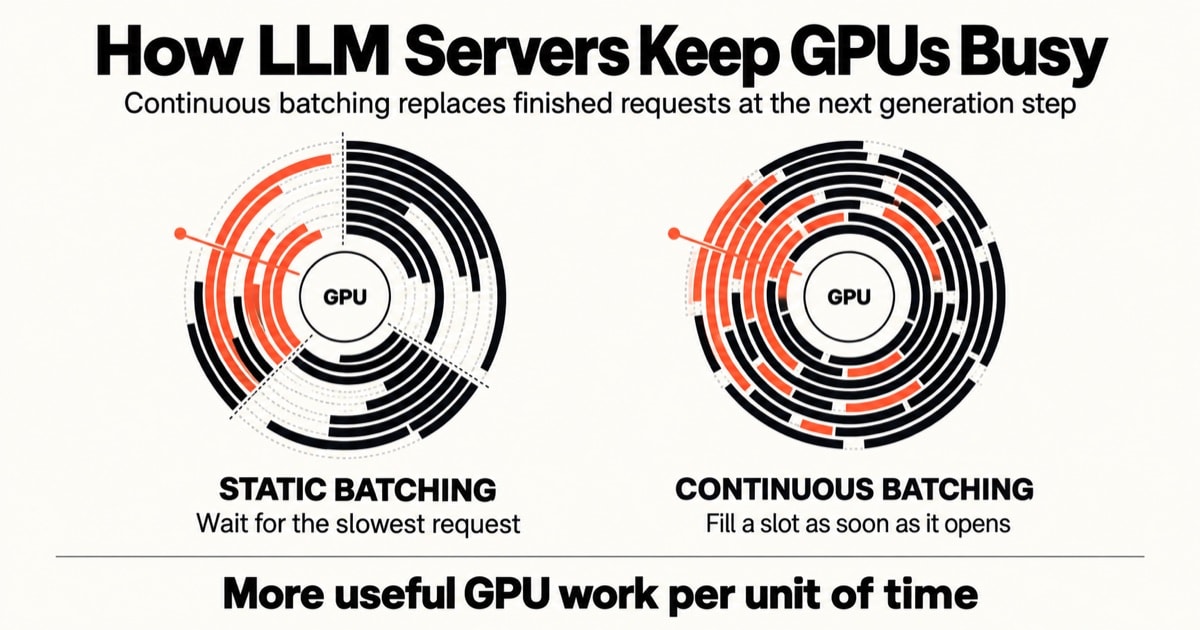
A plain-English guide to continuous batching, why it helps LLM servers use GPU capacity, and how throughput, latency, and memory constraints interact.

Why does an AI take longer to start than to keep generating? Learn how prefill, queues, caching and serving design affect TTFT.
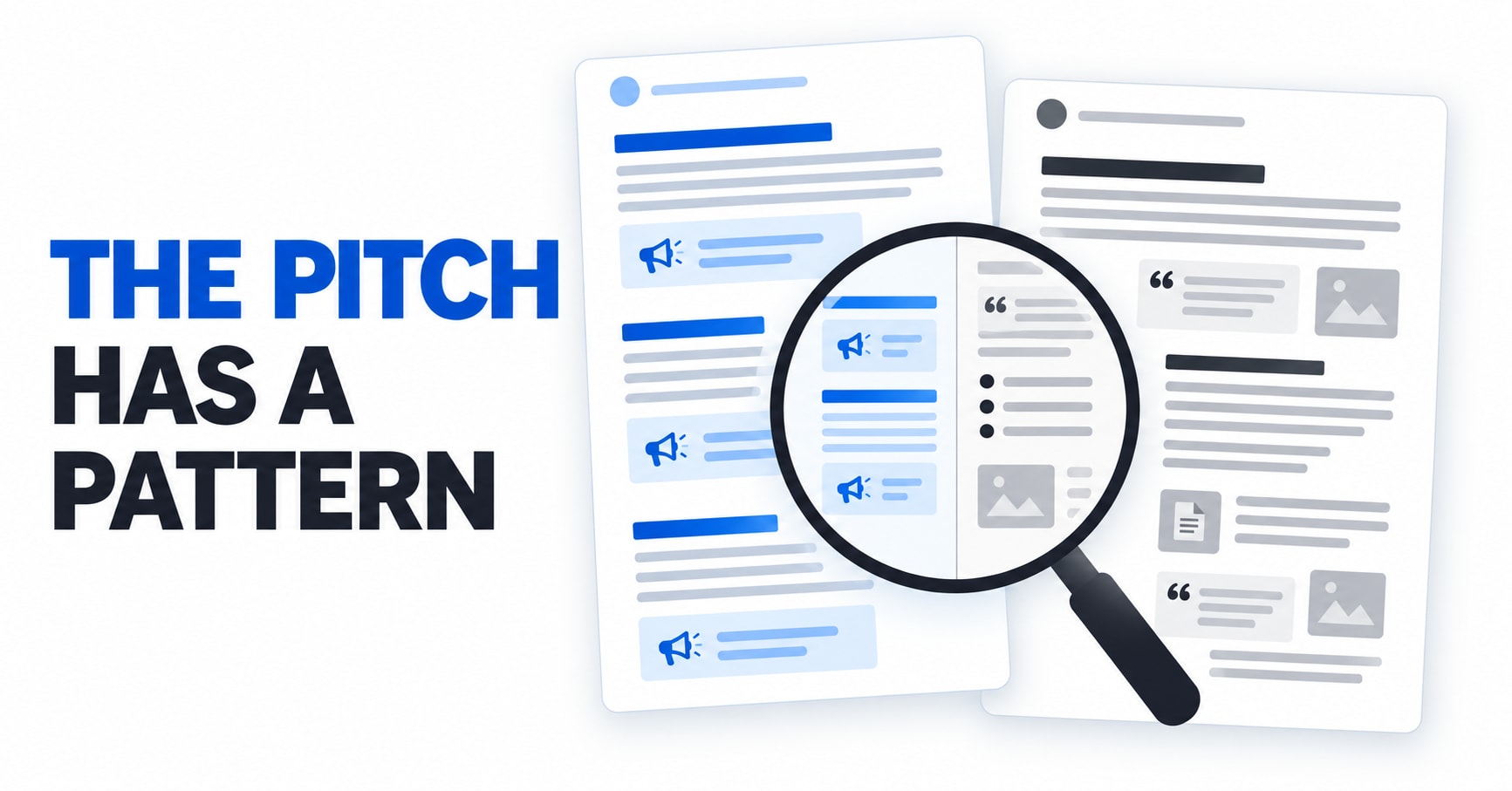
The pitch can change its wording and keep its shape. That is the surprising result behind a new study of AI-written company blogs: an AI-shaped sales pitch may survive after its wording changes. Researchers report that a classifier could still separate AI-generated posts from human originals after the AI rewrote most of its phrasing. The […]
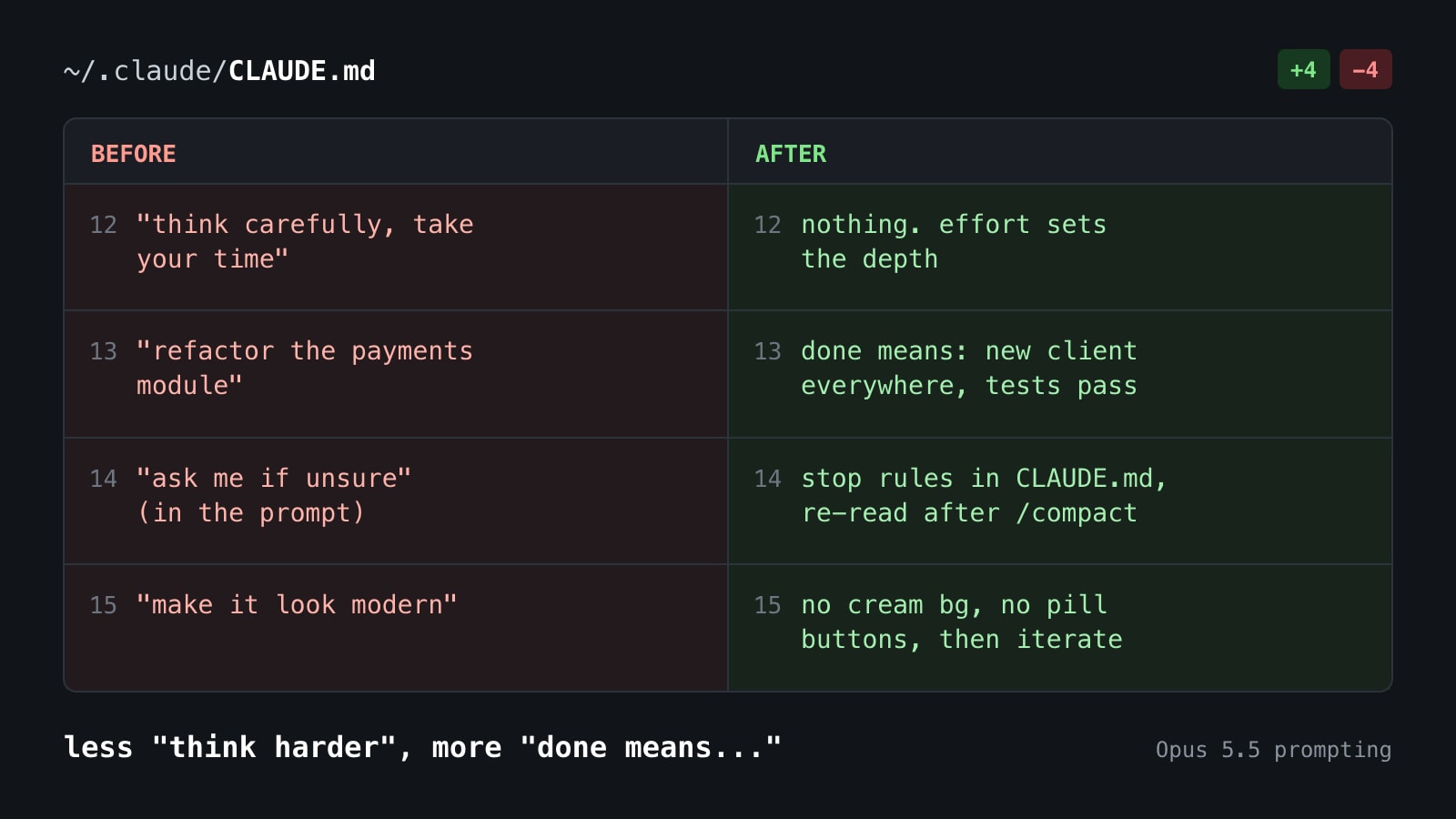
Plenty of developers keep a line like “think carefully, take your time” at the top of their prompts. Many more have it buried in CLAUDE.md, the Markdown file of standing instructions that Claude Code loads at the start of every session. With Claude Opus 5.5, Anthropic’s newest Opus model, that line has quietly stopped earning […]
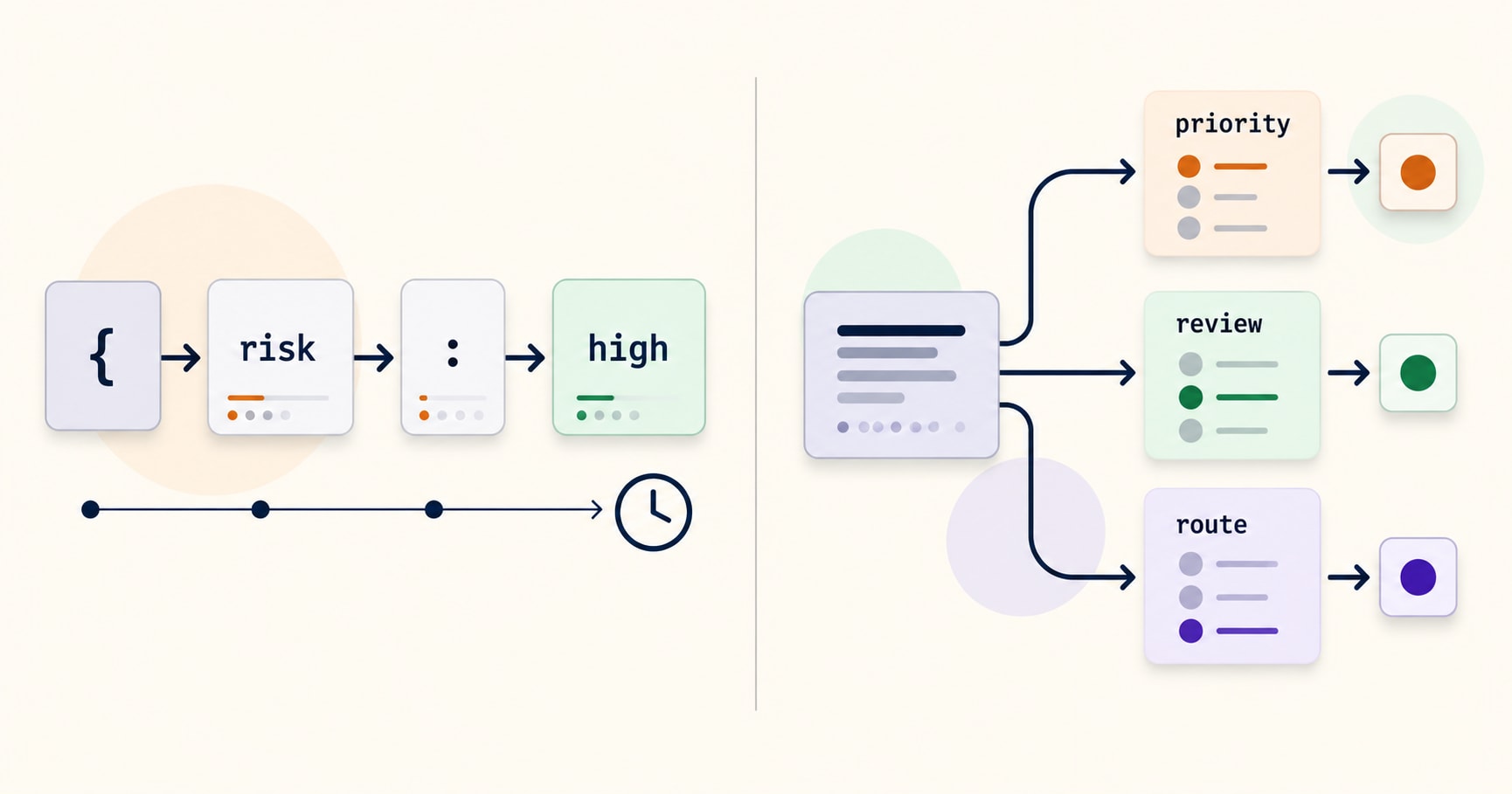
Quick summary Typed decisions: Jev evaluates declared questions in parallel and returns bounded answers instead of generating a JSON string token by token. Keep questions narrow: Define one judgement per field and let application code combine the results. Validate on your own data: Type safety does not guarantee correctness; test accuracy, confidence and review thresholds […]
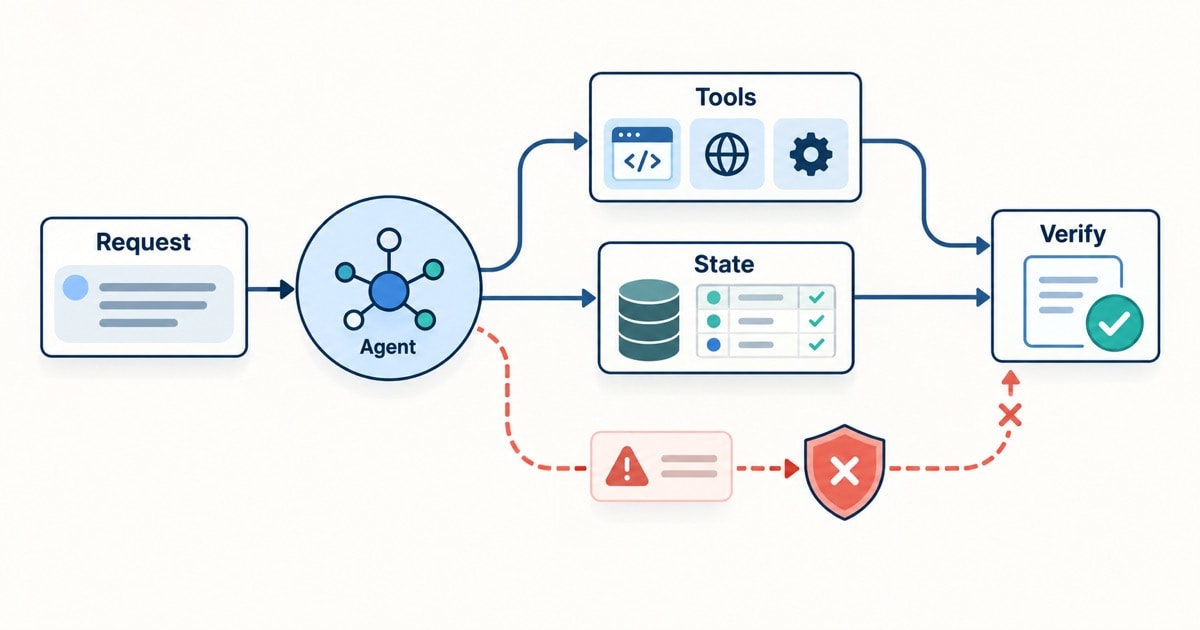
Quick summary Evaluate actions and answers: polished text can hide a failed workflow. Check three surfaces: the outcome, tool-use path and final external state. Combine suitable graders: deterministic checks, rubrics and human review. Learn from failures: turn traces into regression cases and measure cost and constraints. AI agent evaluation starts with a simple reality: an […]
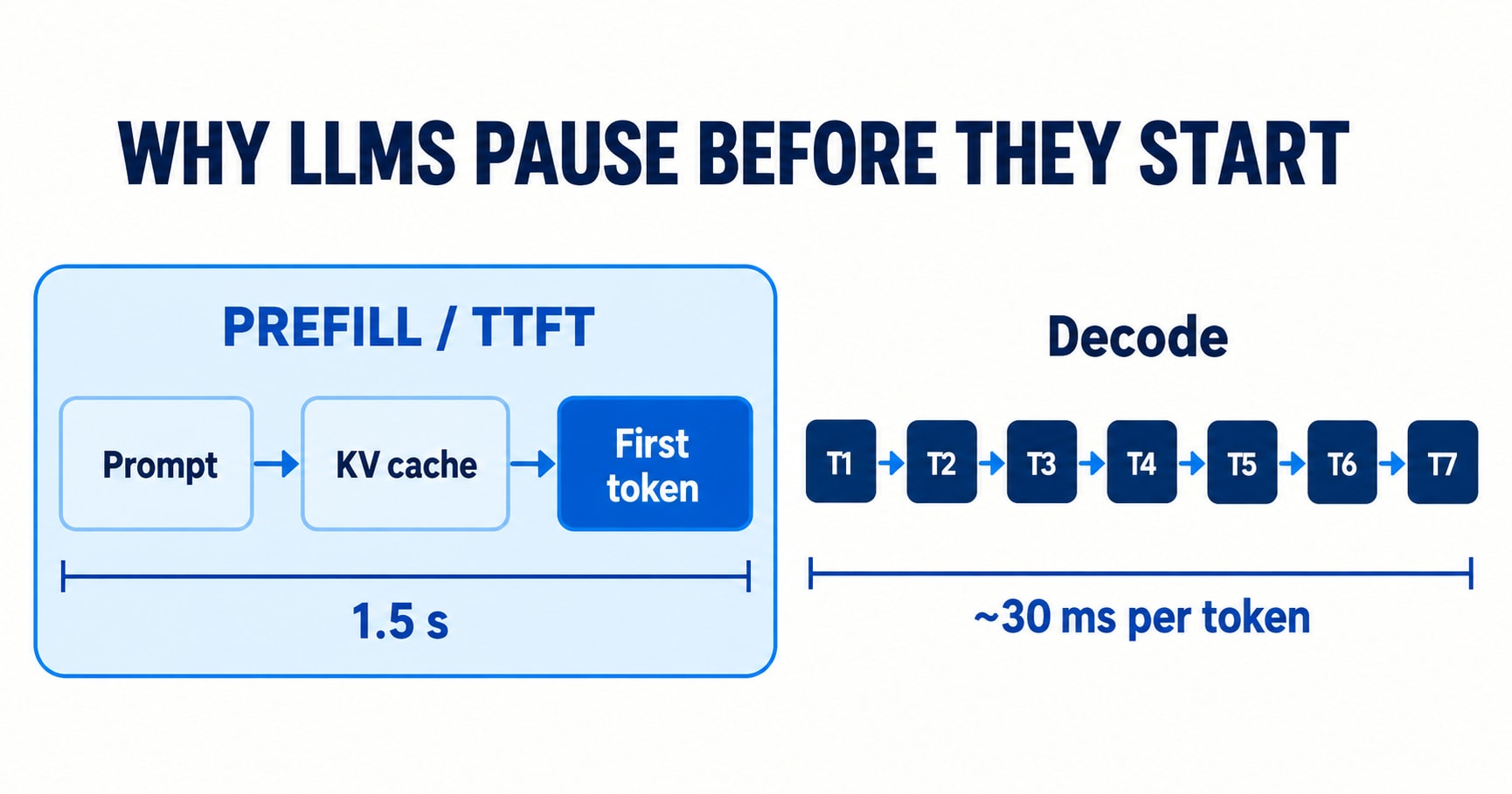
Quick summary Separate latency measures: first-token delay differs from later token cadence and total time. Inspect preparation work: retrieval, queueing, prompt processing and networking contribute. Measure the bottleneck: avoid treating every delay as model slowness. Reduce avoidable work: bound retrieval, reuse stable prefixes and tune serving policy. Time to first token (TTFT) explains a familiar […]

Quick summary The article examines an AGI claim: it connects reported benchmark performance with the compute needed to obtain it. Separate scores from practical value: demanding evaluations do not by themselves establish affordable everyday usefulness. Autonomy creates additional costs: a persistent workflow needs clear goals, spending limits and ways to stop. Treat headline claims critically: […]
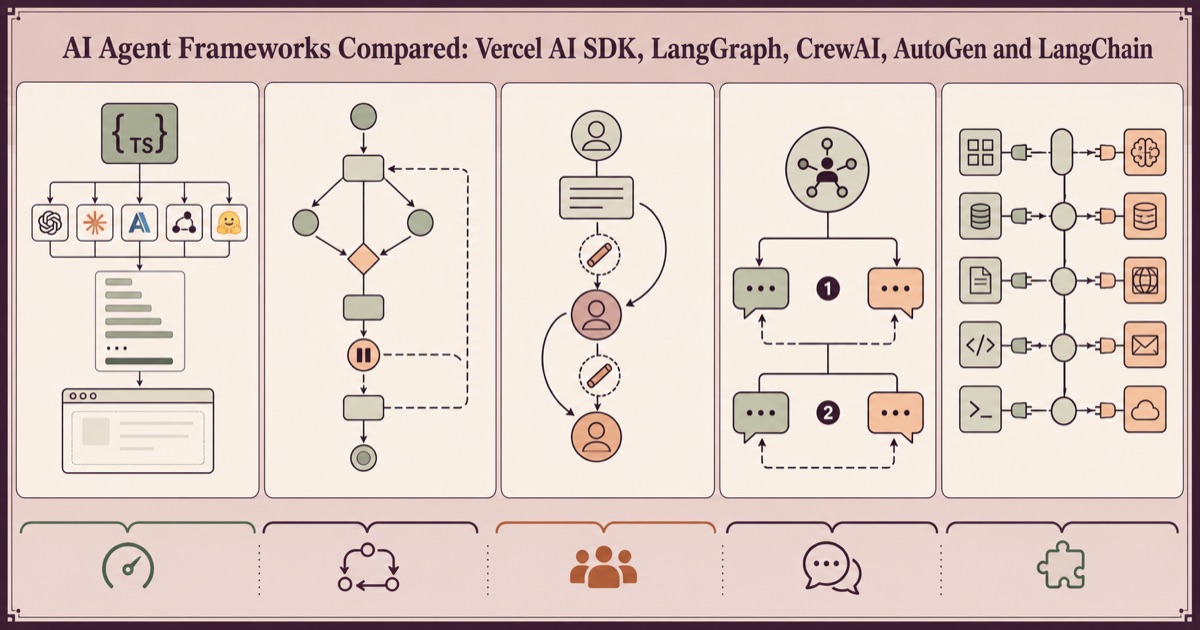
Quick summary Choose Vercel AI SDK first when a TypeScript application needs provider flexibility and streamed model output. Choose LangGraph first when the central problem is explicit agent orchestration. Evaluate CrewAI and AutoGen for agent-oriented patterns, then use their current documentation for feature-level decisions. Finally, do not infer deployment, licensing, persistence or operational fit from […]
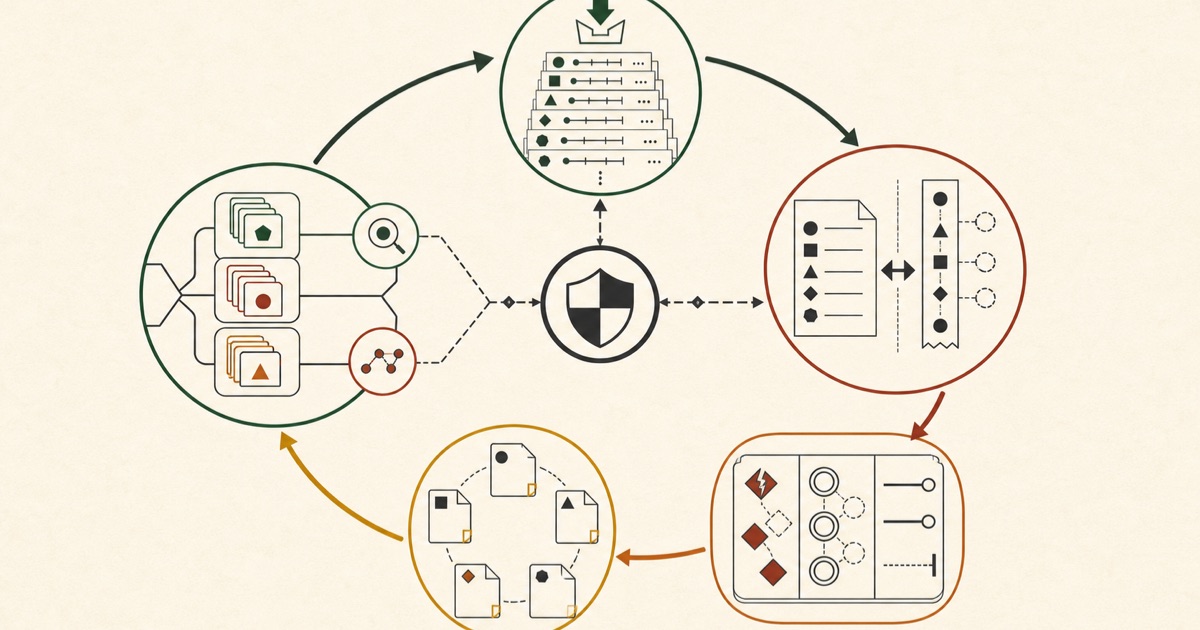
Quick summary Final-output quality and trajectory quality answer different questions about an agent. A five-stage flywheel can turn evaluation records into concrete prompt-improvement hypotheses. Prompt candidates should be tested on held-out and regression cases, not only on the examples that inspired them. Human judgement remains necessary for rubrics, safety boundaries, and ambiguous traces. An agent […]
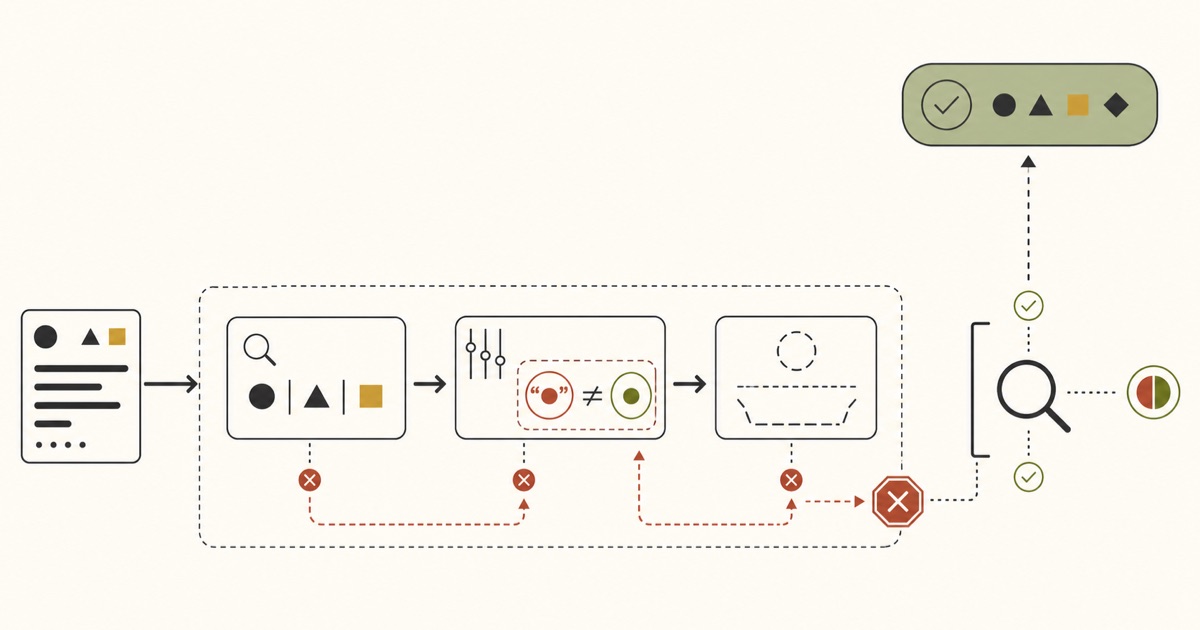
Quick summary A correct final response does not prove that an autonomous agent used the right tools or completed the requested action. Trajectory evaluation scores observable execution steps, including tool calls, outputs, retries, and state transitions. Agent task success and tool use quality expose different failure modes, so evaluate them separately. Start with one important […]

Quick summary Contextual Retrieval adds a short explanation of where a chunk sits in its source document and what it refers to. The added context is used for both embedding-based retrieval and BM25-based retrieval. Anthropic’s 67% figure applies when Contextual Retrieval is combined with reranking in its reported evaluation. A small knowledge base may be […]