
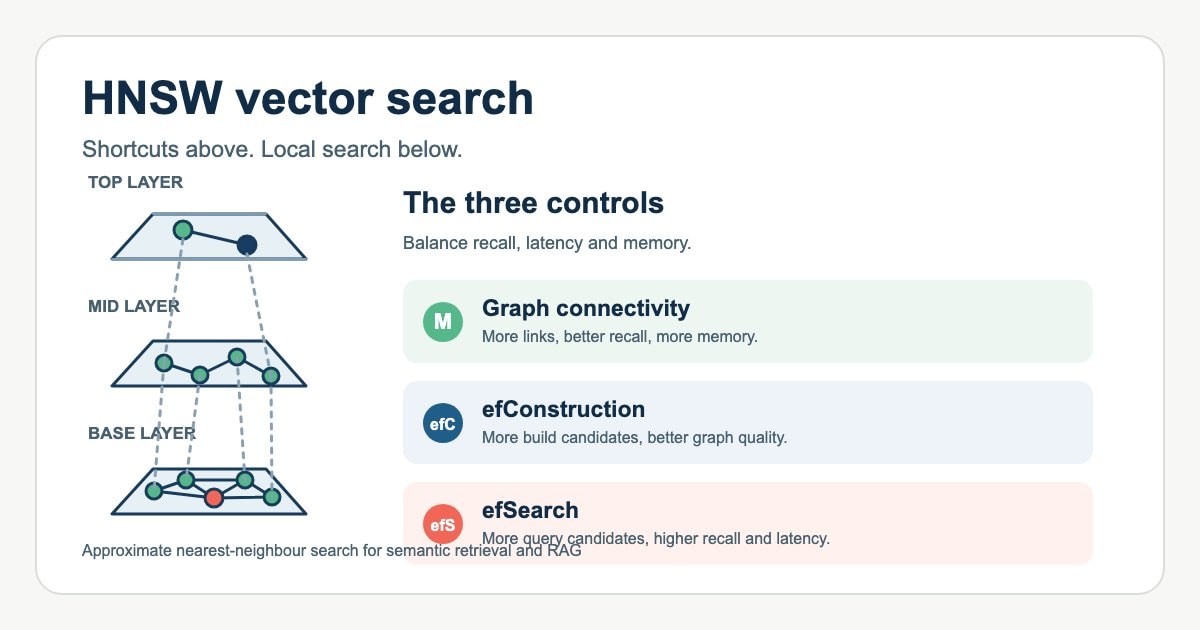
HNSW vector search is one of the quiet constraints behind a useful RAG system. A support assistant with a few hundred document chunks can compare a question with every chunk. At millions of vectors, that simple approach turns every question into a large numerical scan. Hierarchical Navigable Small World graphs, usually shortened to HNSW, offer […]
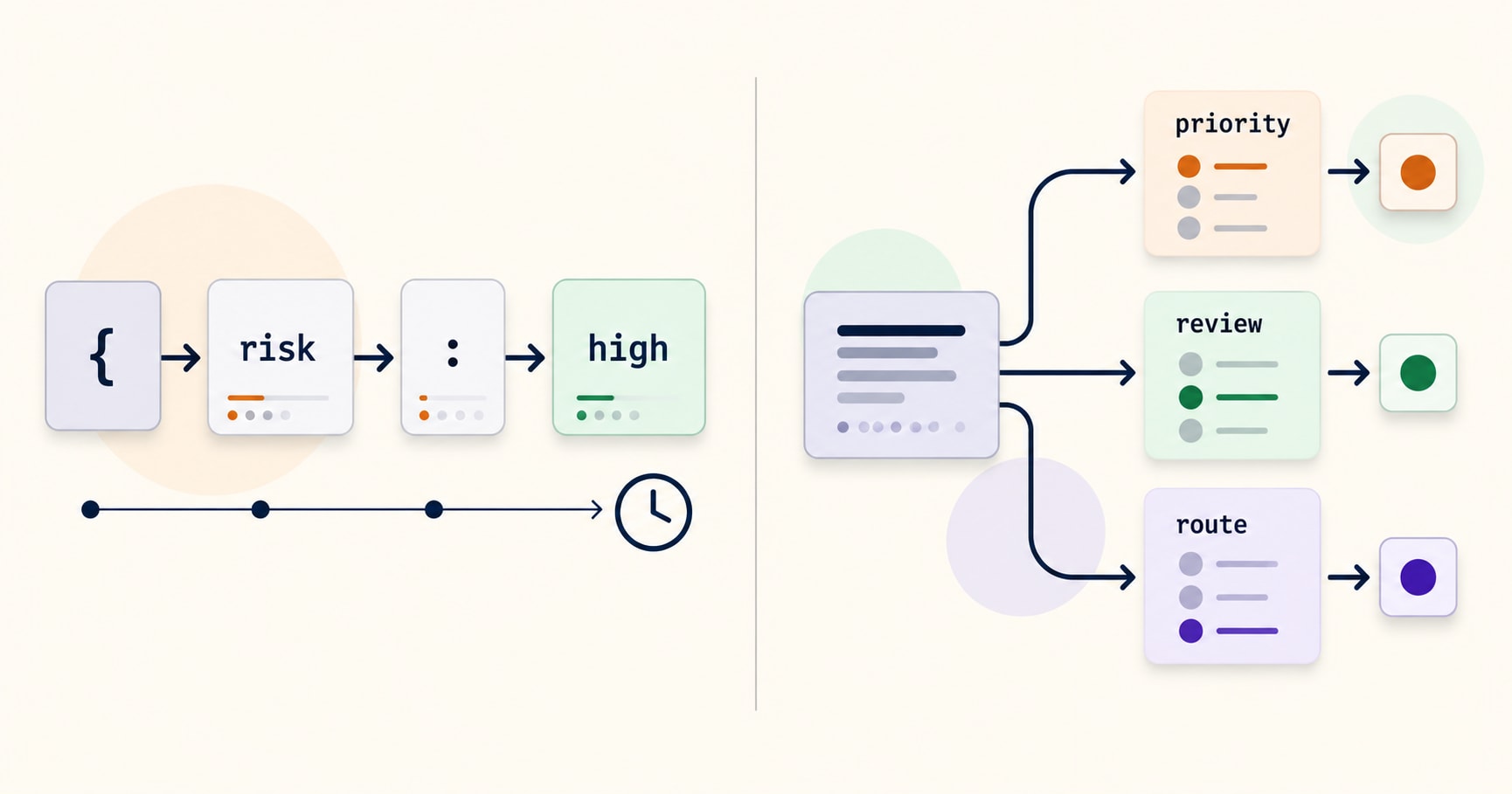
Quick summary Typed decisions: Jev evaluates declared questions in parallel and returns bounded answers instead of generating a JSON string token by token. Keep questions narrow: Define one judgement per field and let application code combine the results. Validate on your own data: Type safety does not guarantee correctness; test accuracy, confidence and review thresholds […]
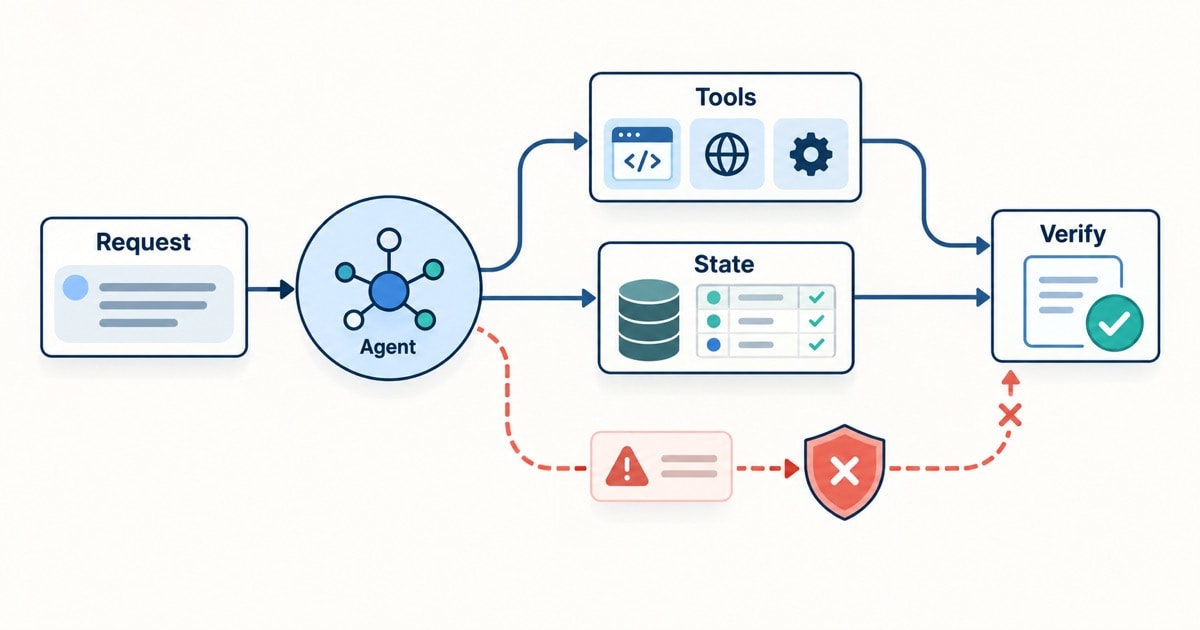
Quick summary Evaluate actions and answers: polished text can hide a failed workflow. Check three surfaces: the outcome, tool-use path and final external state. Combine suitable graders: deterministic checks, rubrics and human review. Learn from failures: turn traces into regression cases and measure cost and constraints. AI agent evaluation starts with a simple reality: an […]
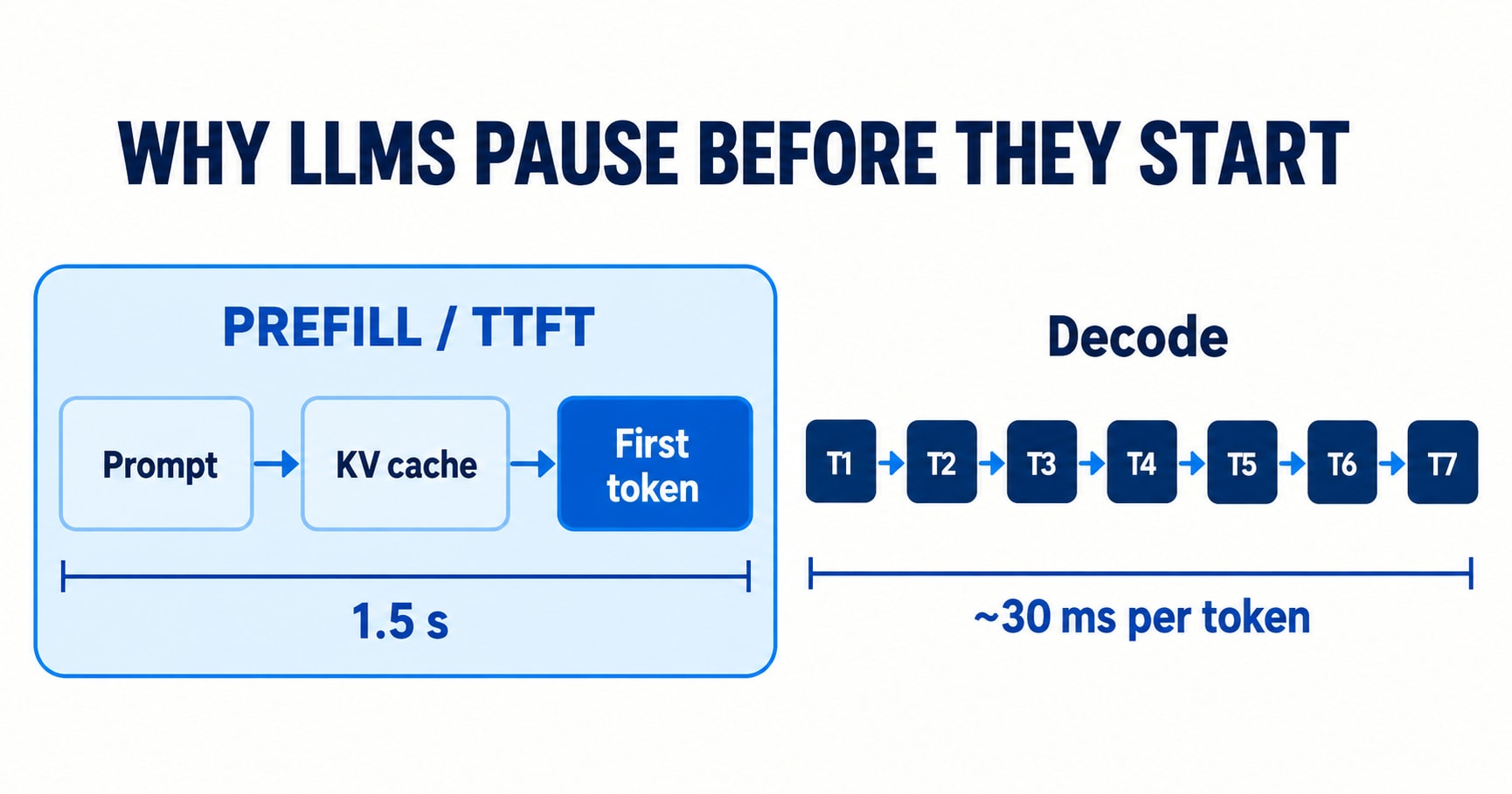
Quick summary Separate latency measures: first-token delay differs from later token cadence and total time. Inspect preparation work: retrieval, queueing, prompt processing and networking contribute. Measure the bottleneck: avoid treating every delay as model slowness. Reduce avoidable work: bound retrieval, reuse stable prefixes and tune serving policy. Time to first token (TTFT) explains a familiar […]
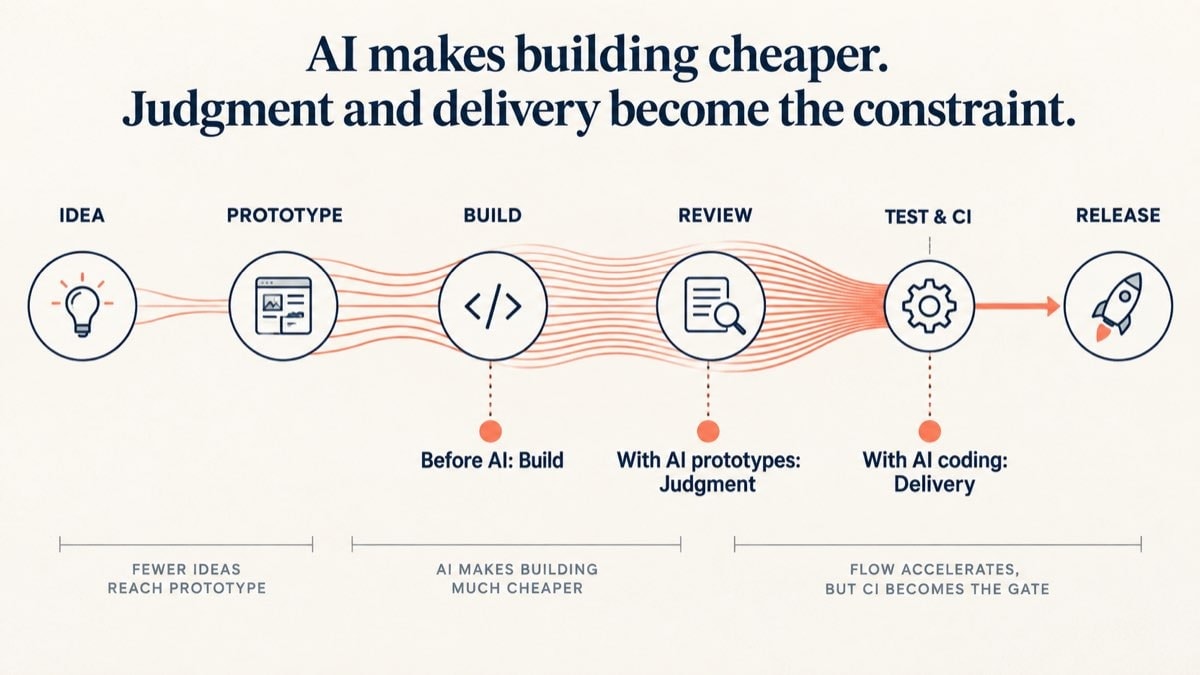
Quick summary Faster building moves the bottleneck: more code pressures review, testing and operations. A demo is not validation: establish whether a feature solves a user problem. Connect product and delivery: plan for reliability, security and failure handling. Measure useful progress: learn from small experiments and maintain dependable delivery. AI product development has changed the […]
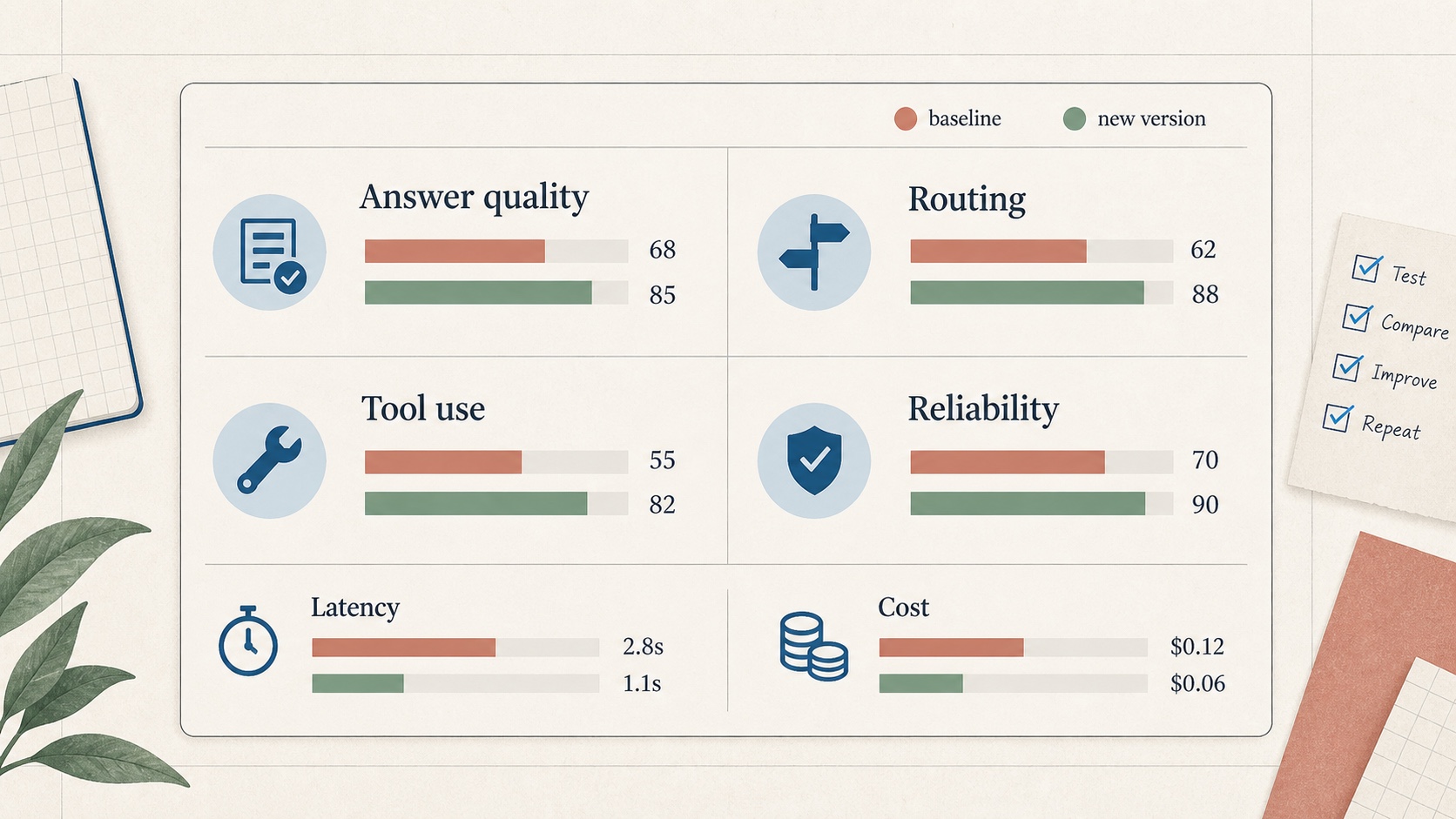
Quick summary Evaluate the whole graph: assess answers, routing, tool use, reliability and cost. Use deliberate test cases: cover ordinary requests, edge cases and safe failures. Compare against a baseline: combine offline tests with production feedback. Apply focused human review: use a consistent rubric where judgement matters. LangGraph evaluation turns a convincing multi-agent demo into […]
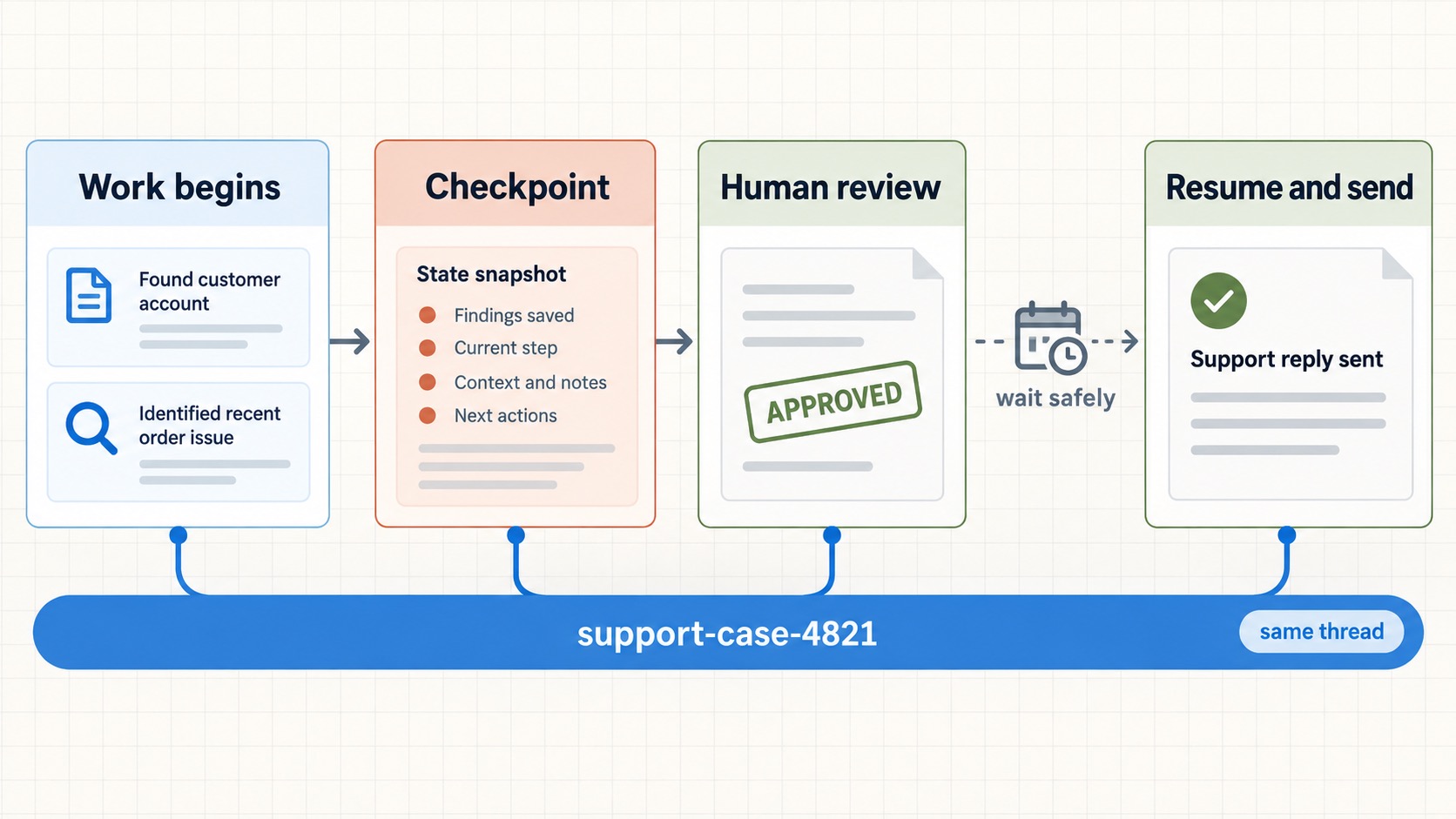
Quick summary Checkpoint state: persistence lets a graph pause, recover and continue. Resume the same thread: reuse its identifier and supply the review decision. Design for replay: repeated execution must not duplicate consequential actions. Use durable storage: production needs an appropriate backend and retention policy. LangGraph persistence is what makes a multi-agent workflow safe to […]
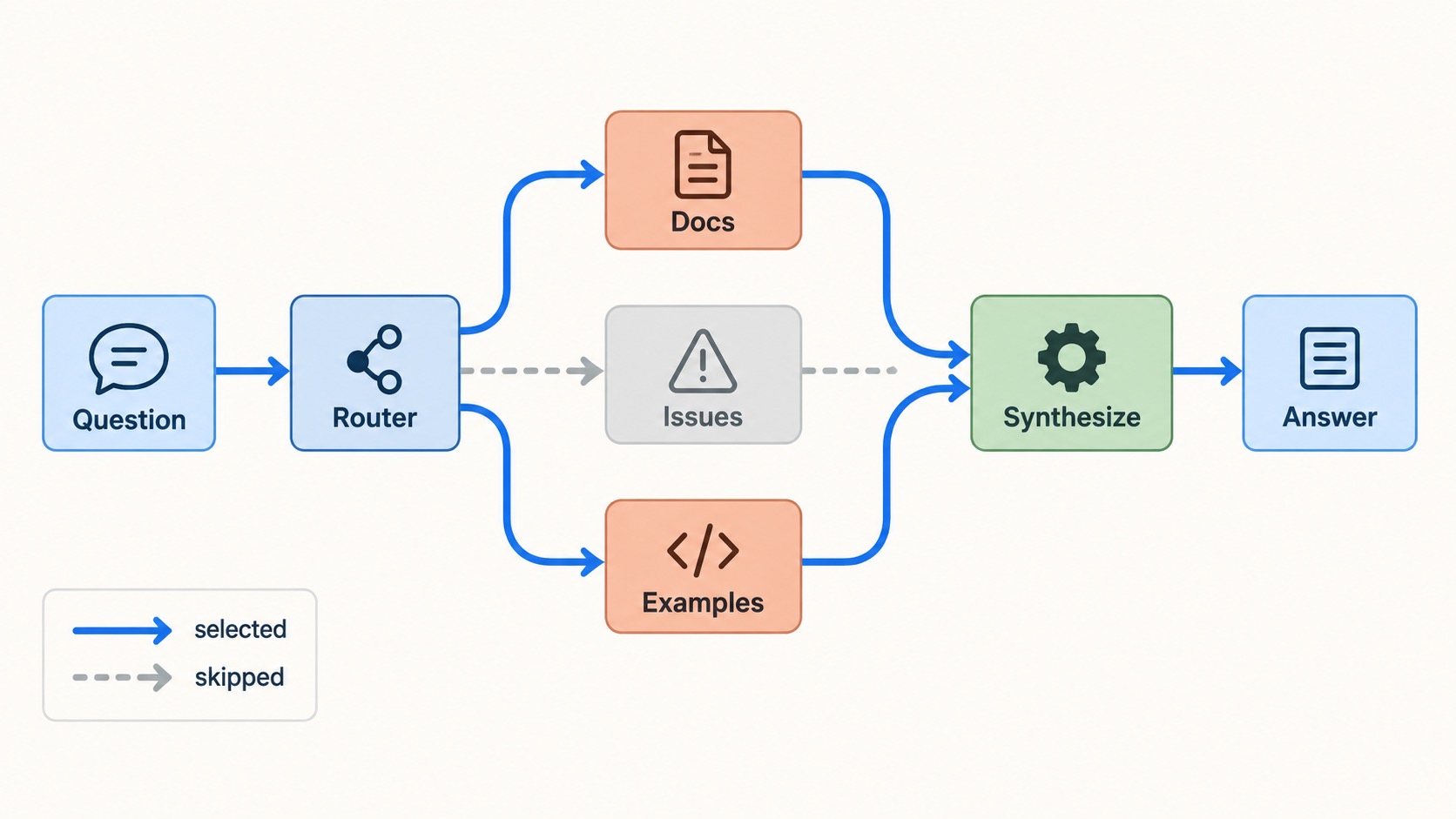
Quick summary Route: inspect the question and select the specialists that can help. Fan out: create one targeted task for each selected worker. Merge: wait for the active branches, then synthesize their findings. LangGraph routing is the point where a multi-agent graph stops broadcasting work and starts making deliberate choices. It decides which specialist should […]
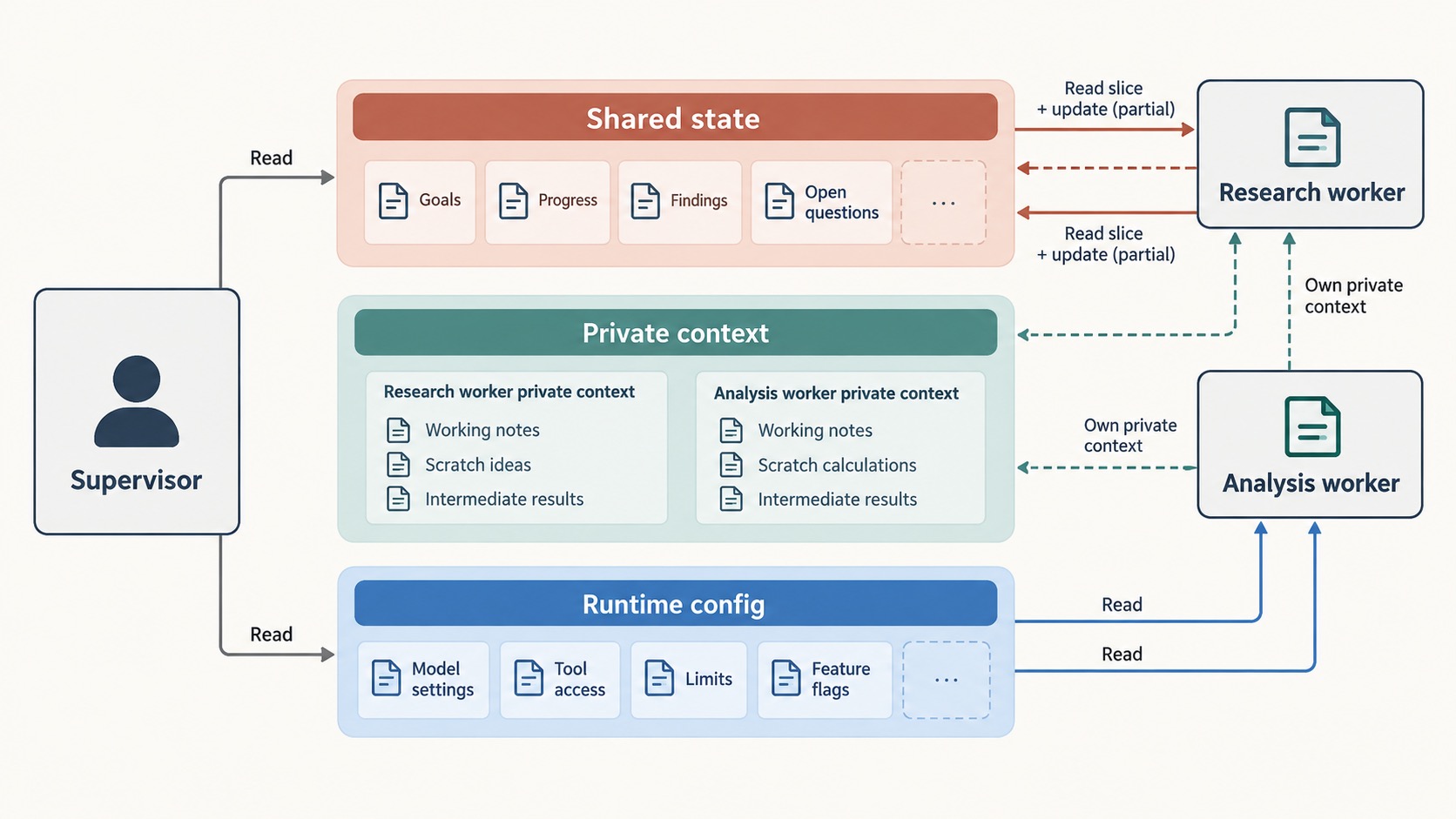
Quick summary Define a state contract: make field ownership, inputs and updates explicit. Separate context types: shared facts, private material and long-term memory serve different purposes. Return partial updates: use deliberate reducers instead of mutating a shared snapshot. Test data flow: verify merge behaviour and the context each worker receives. LangGraph shared state is where […]
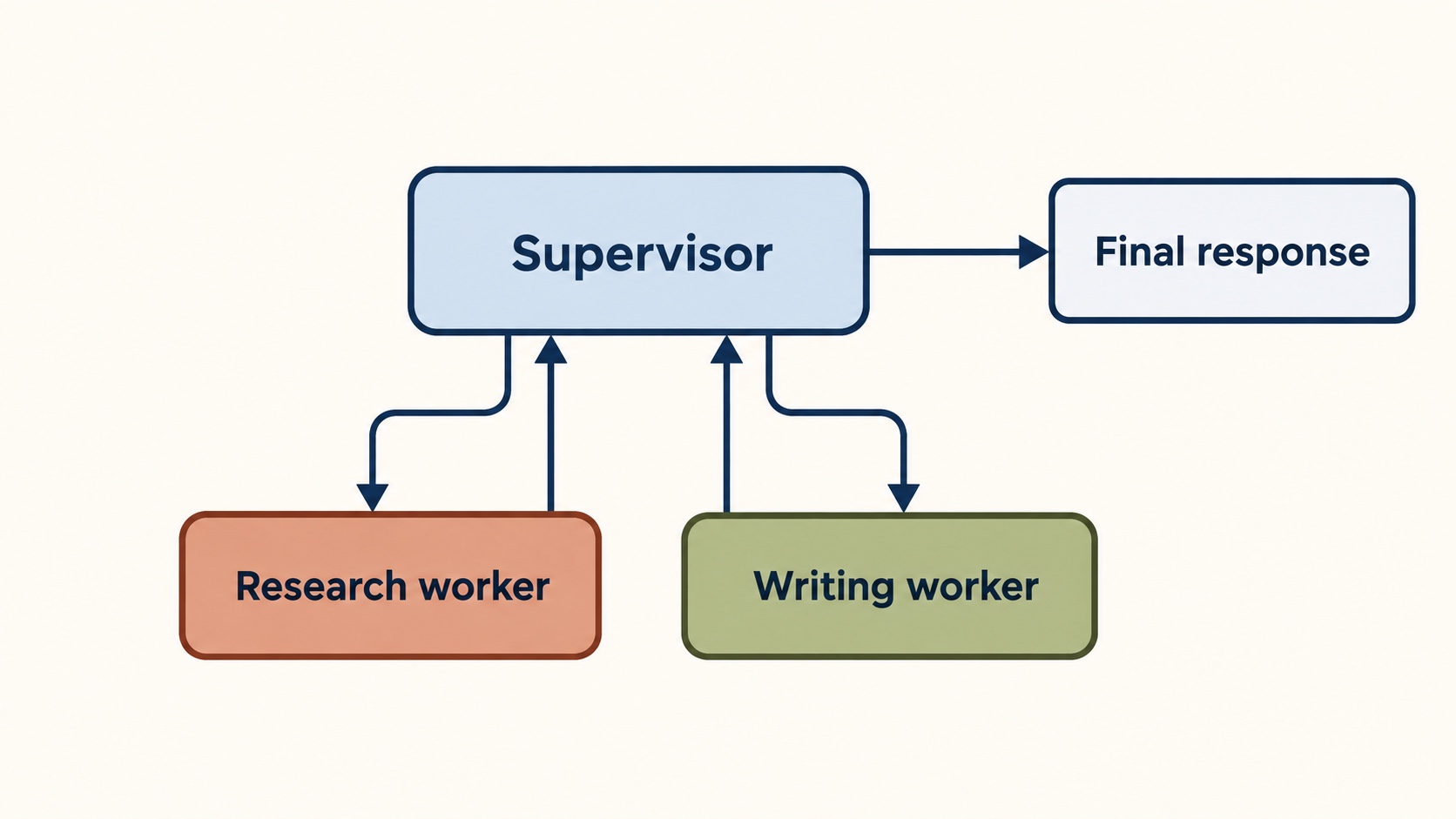
Quick summary Give coordination a clear owner: a supervisor selects specialists and remains responsible for the final response. Keep workers focused: supply bounded tasks and request concise, structured results. Control the workflow in code: enforce budgets, permissions and stopping conditions outside model instructions. Start simple: introduce specialists only when separate responsibilities make the system easier […]
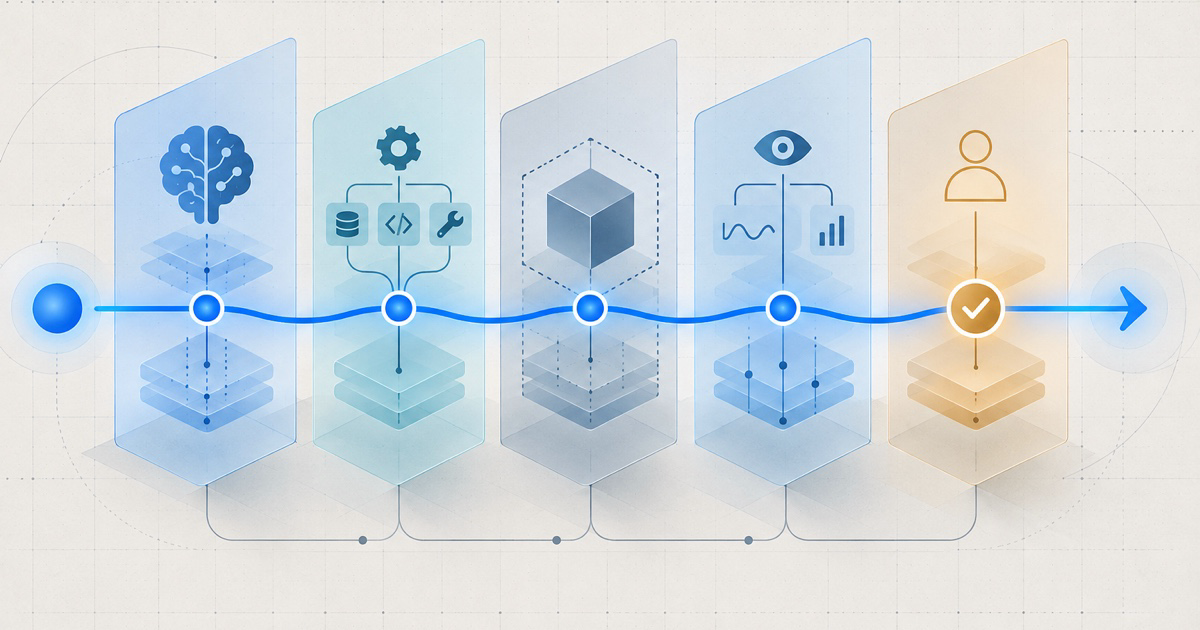
Quick summary Evaluate the entire trajectory: tool calls and state changes matter as much as an agent’s final answer. Budget for the whole task: repeated retrieval, retries and long-running execution change operational cost. Use layered controls: permissions, checkpoints, monitoring and recovery need deliberate ownership. Keep authority bounded: greater model capability does not replace application-level safeguards […]
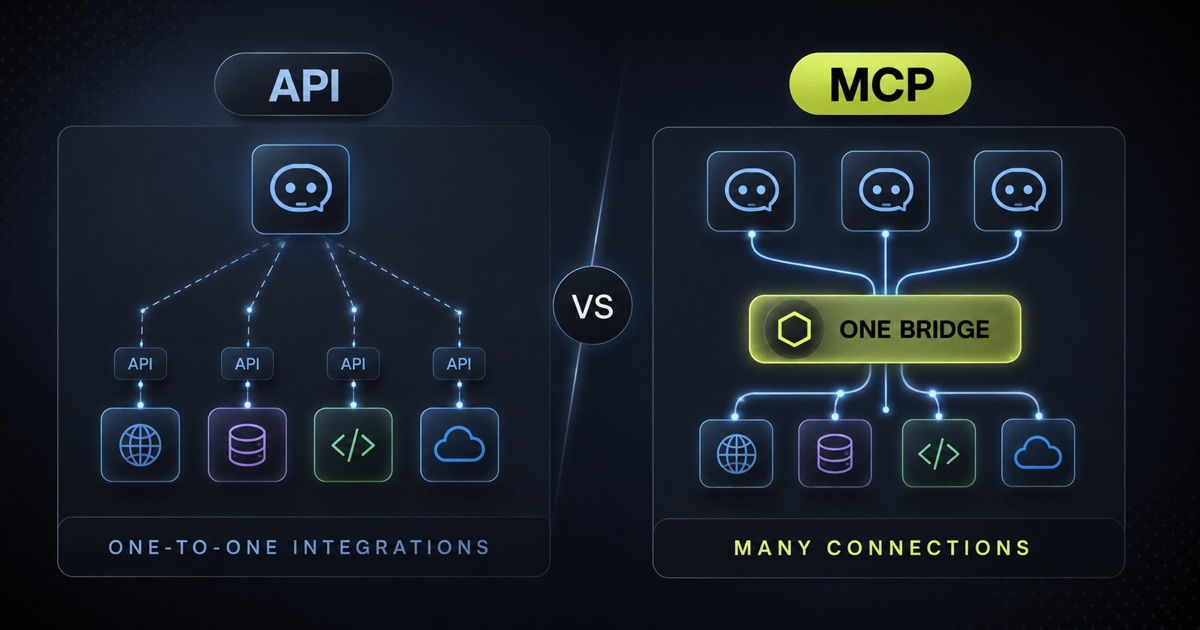
Quick summary APIs expose capabilities: An API defines how software interacts with a system. MCP standardises discovery: AI applications use a common protocol to find and call tools and access context. They work together: MCP often sits above existing APIs rather than replacing them. Choose by workflow: Fixed integrations and assistants that select tools have […]

Quick summary Start with the player experience: choose the architecture around what the user should be able to do. Use AI across a bounded workflow: define constraints, implement changes, run the game and iterate. Make tests repeatable: exercise interactions such as movement, saving and reloading to reveal regressions. Keep engineering ownership: a convincing demo still […]