
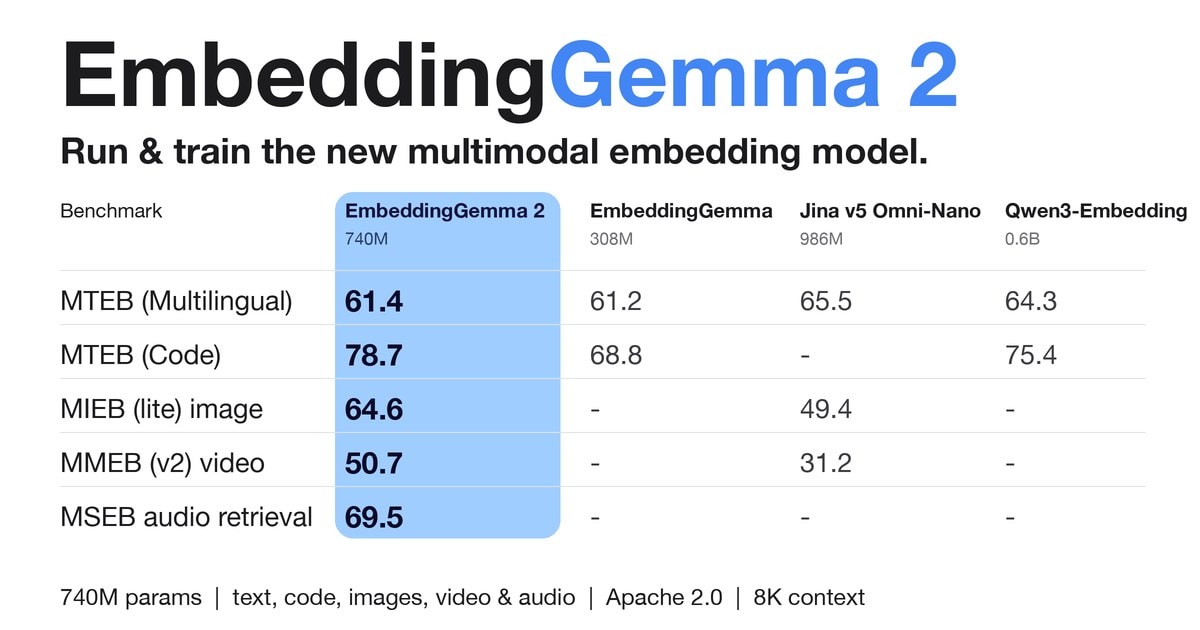
Quick summary: EmbeddingGemma 2 is Google’s new open embedding model. It maps text, code, images, video and audio into one shared 768-dimensional vector space. The full model has 740M parameters (270M text, 170M vision, 300M audio) and ships under Apache 2.0 with an 8K context window. You can load only the text part for small […]
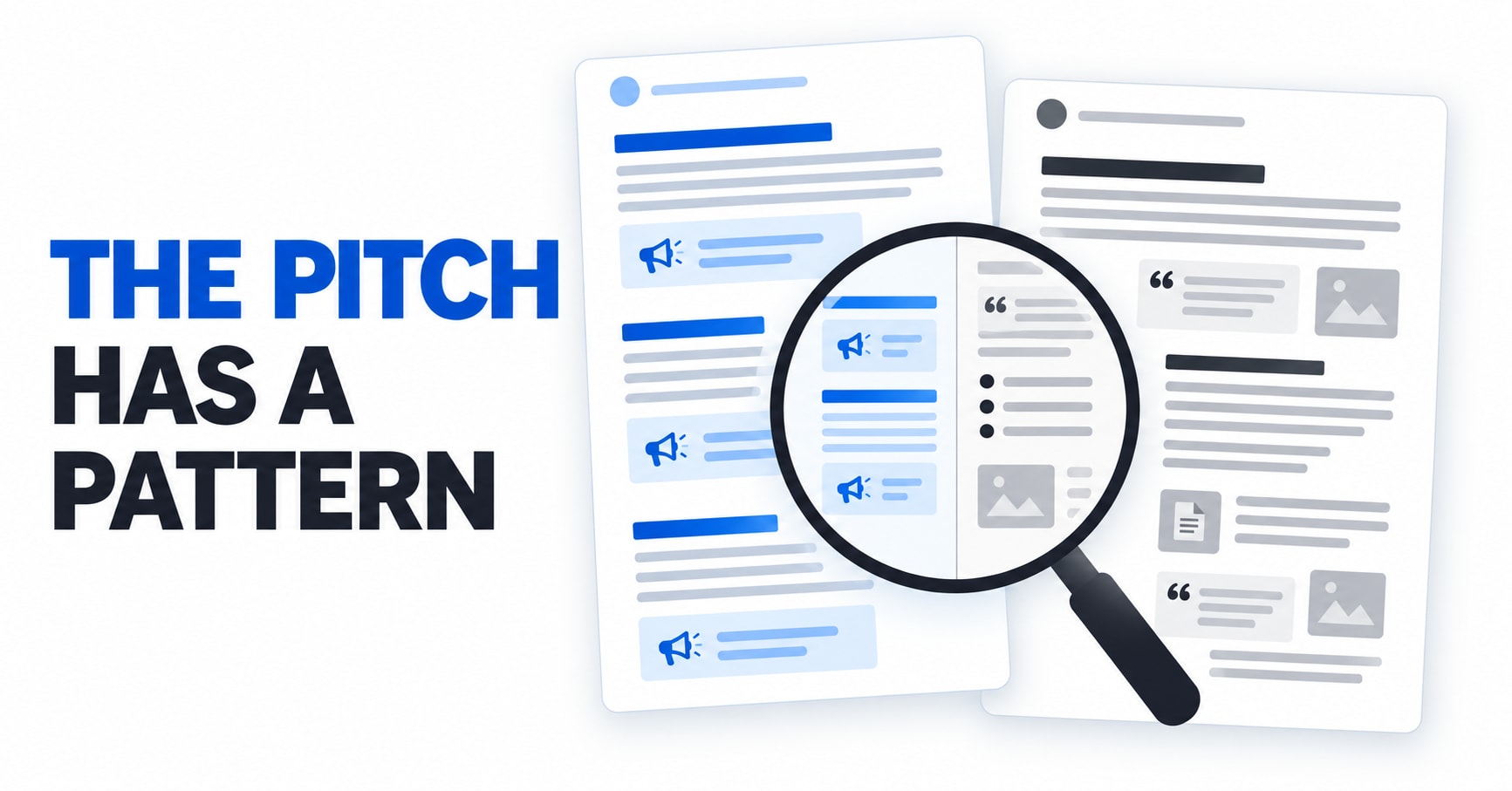
The pitch can change its wording and keep its shape. That is the surprising result behind a new study of AI-written company blogs: an AI-shaped sales pitch may survive after its wording changes. Researchers report that a classifier could still separate AI-generated posts from human originals after the AI rewrote most of its phrasing. The […]
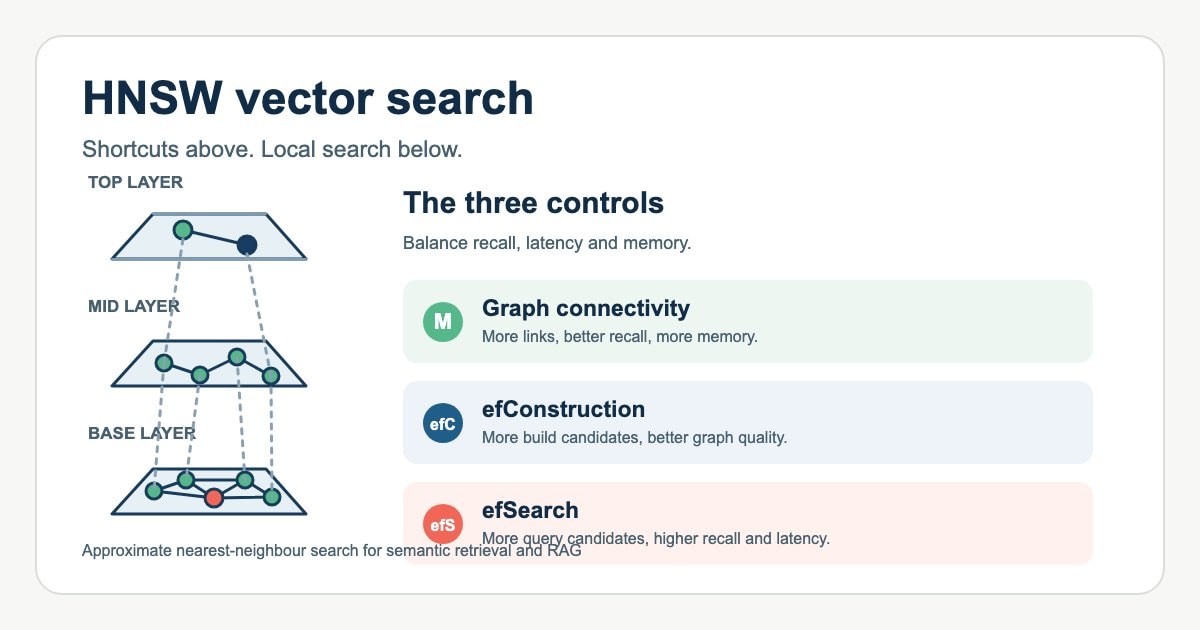
HNSW vector search is one of the quiet constraints behind a useful RAG system. A support assistant with a few hundred document chunks can compare a question with every chunk. At millions of vectors, that simple approach turns every question into a large numerical scan. Hierarchical Navigable Small World graphs, usually shortened to HNSW, offer […]

Quick summary First, forecast short-term demand by geographic zone. Then compare it with expected driver capacity. Next, use an optimization layer to make optional, targeted driver offers while accounting for cost and coverage elsewhere. Finally, measure forecast quality, rider outcomes, driver outcomes, cost, and fairness in a continuous feedback loop. Interview question:Uber predicts that ride […]

Quick summary A code book stores representative vectors called code-vectors. An encoder chooses the code-vector that is closest under a chosen distortion measure. A decoder uses the transmitted or stored index to look up the selected code-vector. Code-book size and quality affect reconstruction detail, storage needs, and encoder work. Vector quantisation helps when many groups […]

Quick summary MLOps spans the lifecycle: connect experimentation, deployment, monitoring and maintenance. Track code and data: versioning helps teams understand and reproduce changes. Record experiments: compare model runs instead of relying on informal notes. Build dependable operations: pipelines, compute planning and tests support repeatable machine-learning workflows. In the realm of machine learning (ML), the rise […]
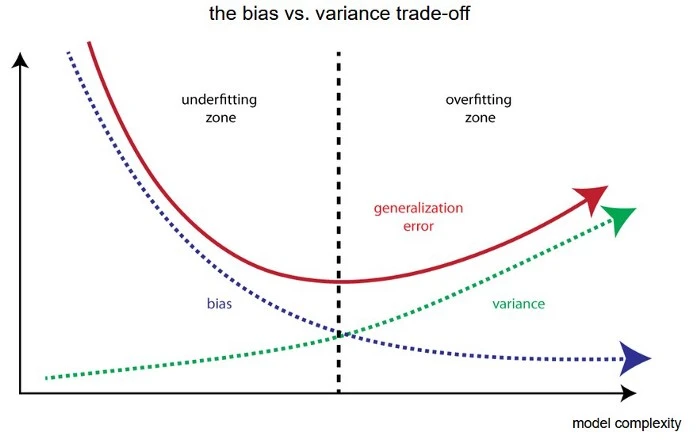
Quick summary High bias misses useful patterns: an overly simple model can make systematic prediction errors. High variance follows noise: predictions can change sharply when the training data changes. Compare training and test behaviour: underfitting and overfitting show different error patterns. Aim for generalisation: learning the training set well is not enough if performance fails […]

Quick summary Decision trees split data through questions: branches lead from feature tests to predictions at leaf nodes. Choose informative splits: the goal is to reduce uncertainty about the target. Entropy and information gain are related: information gain measures the reduction in entropy after a split. Gini provides another criterion: impurity measures help compare candidate […]
Quick summary Combine multiple models: an ensemble brings individual predictions together. Reduce prediction error: the article frames ensembles as a way to address bias or variance. Recognise common approaches: bagging, boosting and stacking organise combinations differently. Random forests are one example: they aggregate the predictions of multiple decision trees. An ensemble methods are technique which uses […]

Quick summary Classification predicts categories: the target is a class label, sometimes supported by a probability. Regression predicts quantities: the target represents a numerical amount. Some model families support both: the task and configuration determine how they are used. Match evaluation to the target: choose metrics that reflect the prediction problem rather than judging all […]
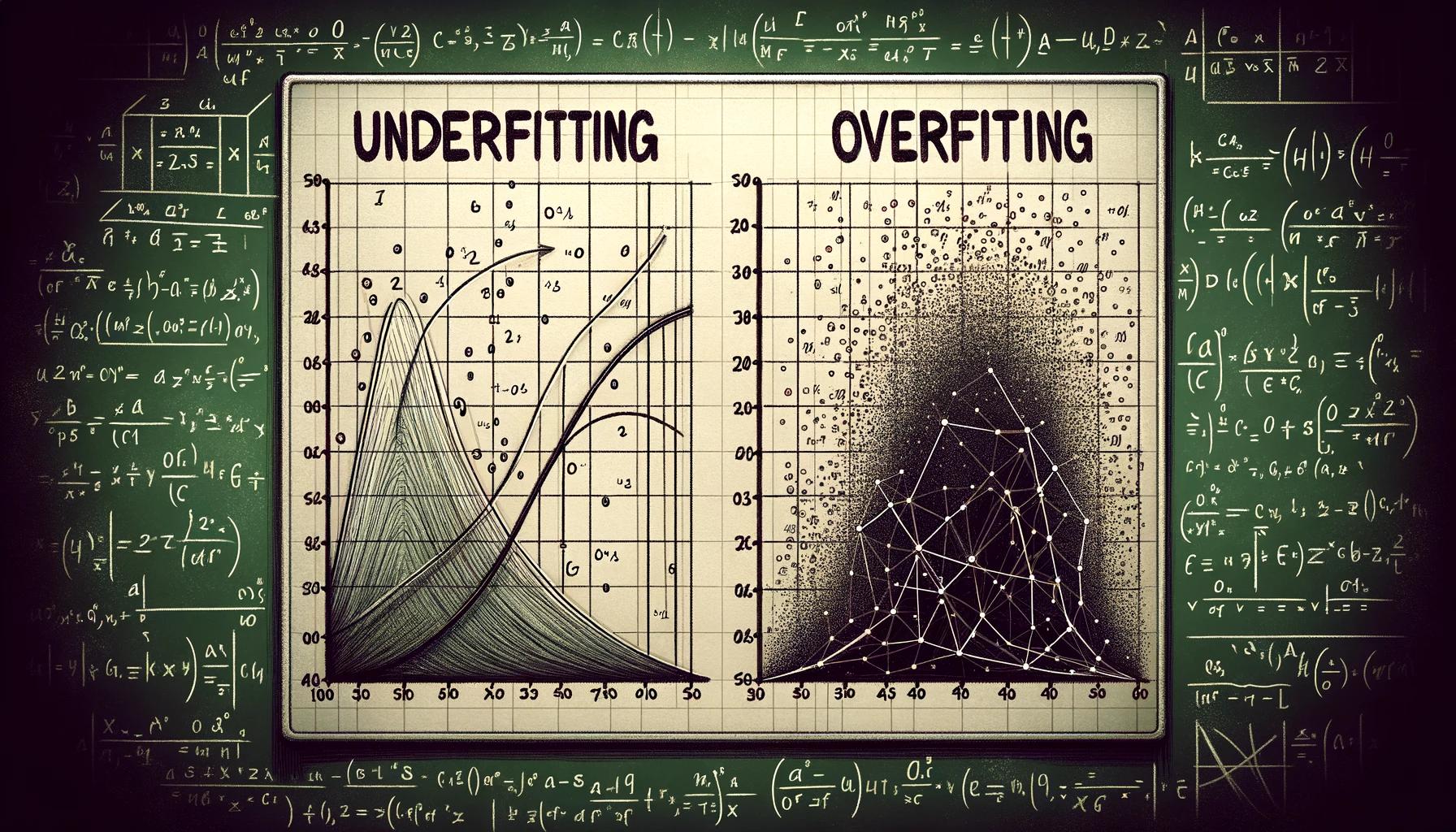
Quick summary Underfitting misses the signal: a model may be too simple to capture useful relationships. Overfitting follows noise: strong training performance can hide poor results on new data. Inspect both kinds of error: training and validation behaviour help distinguish the problems. Adjust complexity deliberately: features, model flexibility and regularisation influence the balance. Welcome to […]
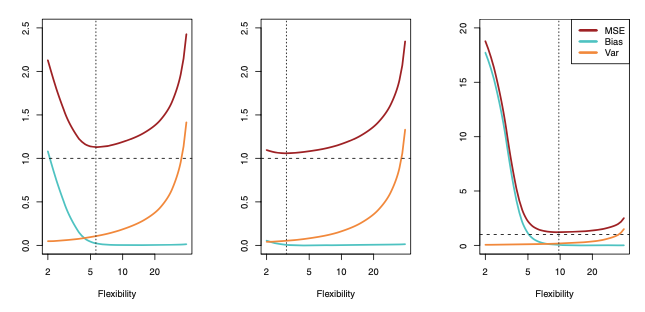
Quick summary Model flexibility changes the balance: the examples show bias falling while variance rises. The best balance depends on the data: a near-linear relationship behaves differently from a strongly nonlinear one. Test error guides the choice: a more flexible model does not necessarily produce a better result. Avoid either extreme: useful generalisation requires controlling […]

Quick summary RAG combines retrieval with generation: relevant source material supplies context for a model’s response. Build both parts deliberately: choose the data, implement retrieval and connect it to the generative model. Test the complete pipeline: assess how retrieved material affects the usefulness of the answer. Plan for operational challenges: data quality, integration and scaling […]
Quick summary Train across distributed data: federated learning keeps local examples on participating devices or servers. Share updates rather than raw datasets: a coordinating system can aggregate training results into a model. Match the architecture to the setting: the article discusses centralised, decentralised and heterogeneous approaches. Address the remaining challenges: communication, device differences and privacy […]

Quick summary The article introduces Lumiere: it describes a video-generation approach built around a Space-Time U-Net. Explore creative applications: examples include image animation, stylised video and text-guided editing. Consider the limits: coherent transitions and complex video behaviour remain part of the discussion. Use synthetic media responsibly: creative possibilities also raise questions about misuse and deepfakes. […]

Quick summary Combine predictions: Ensembles use voting, averaging or a learned rule to combine multiple models. Different approaches: Bagging, boosting and stacking combine models in different ways. Diversity matters: Models with useful, varied information can improve stability and predictive performance. Compare with a baseline: More models do not automatically improve results; evaluate the combined system […]
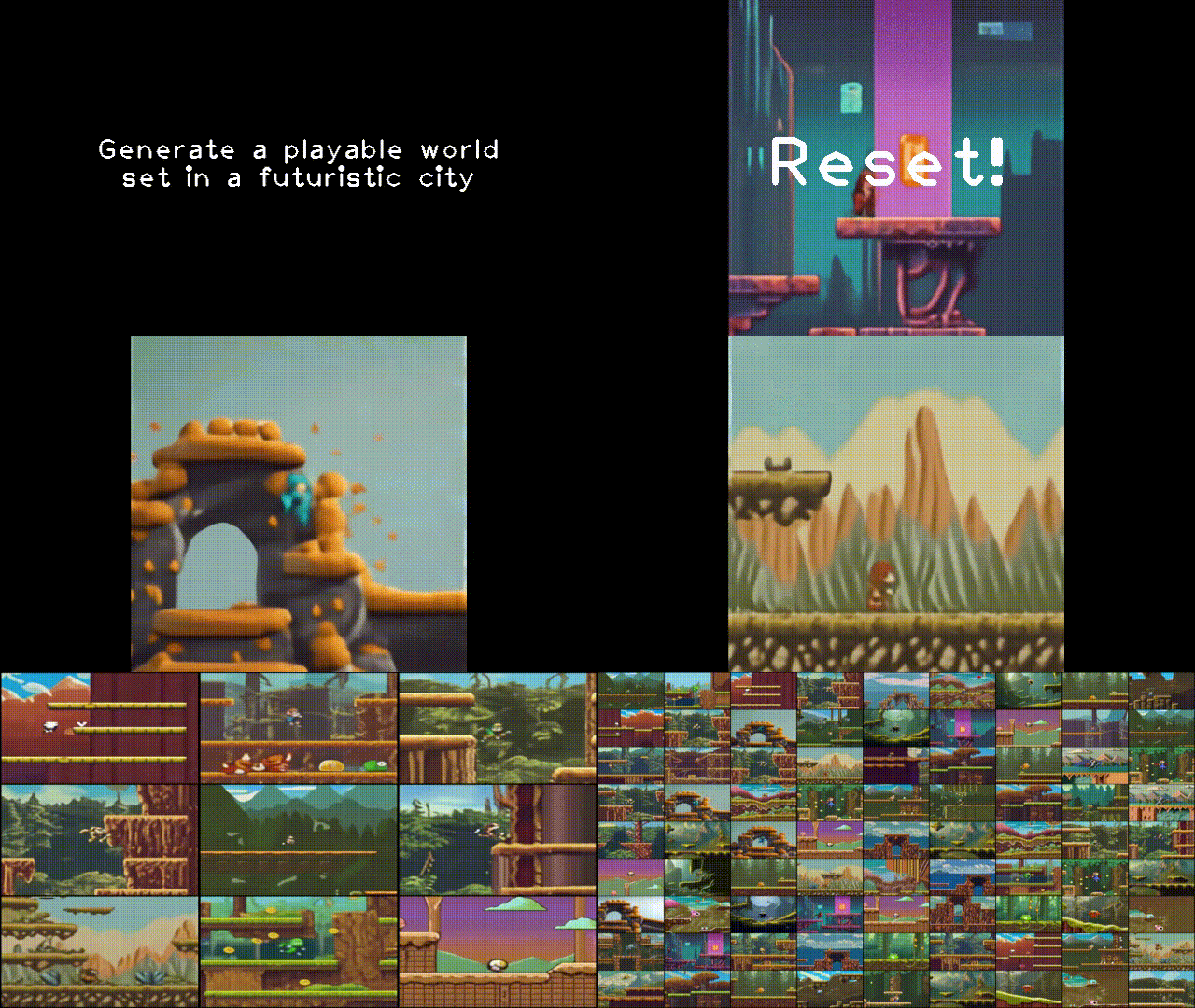
Quick summary Interactive generation: The article introduces Genie as a model for generating controllable environments from visual inputs. Learning from video: It describes learning patterns of movement and interaction without explicit action labels. Creative possibilities: Sketches and images provide starting points for exploring generated worlds. Research direction: The article considers uses in creative prototyping and […]