
Most engineering rules age badly. These nine, about failure, error budgets, on-call, postmortems and complexity, tend to survive every change in tooling.
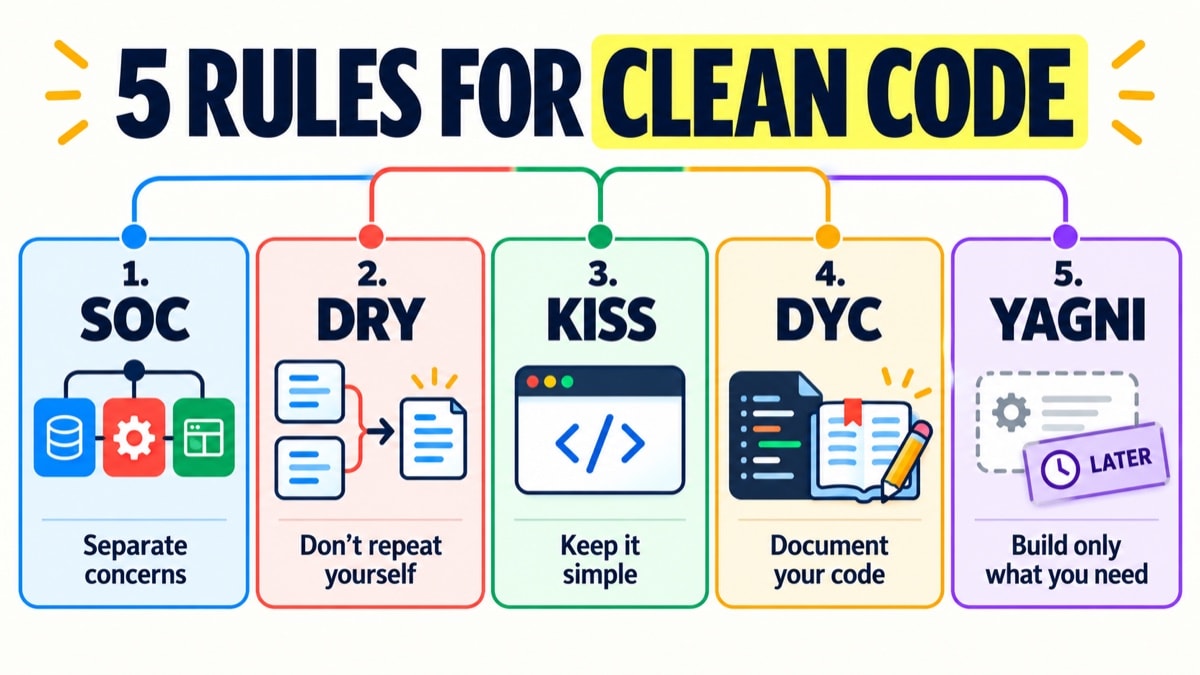
In brief: Clean code rules should make the next change easier to make and harder to get wrong. Separate concerns so one change does not ripple through unrelated parts. DRY the rules and facts that must stay consistent, not every pair of similar lines. KISS by choosing the clearest design that meets the real need. […]
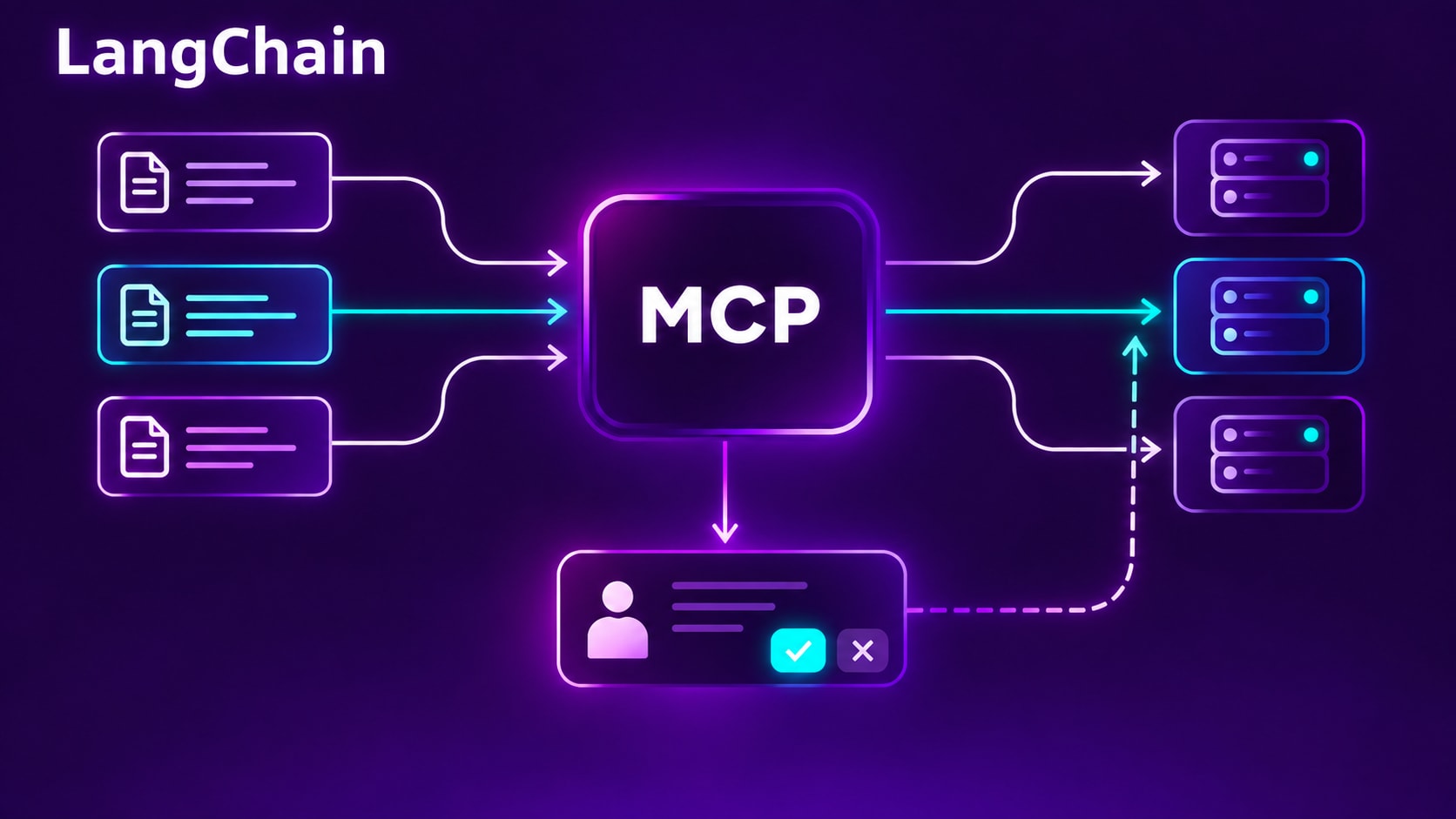
In brief LangChain MCP Adapter 2.0 supports stateless MCP. Modern servers no longer need a transport session to persist between tool calls, which makes ordinary load balancing easier. Stateless transport does not remove application state. Your booking, payment, or other workflow still needs durable identifiers and storage. Tools can pause for a person. MCP elicitation […]

Quick summary Seven experiments: The article examines reported examples of Astra contributing to game prototyping and development. Follow the development loop: Useful assistance includes interpreting a brief, editing, running the game and repairing observed problems. Distinguish levels of involvement: Generating a prototype, editing a project and testing gameplay are different contributions. Keep human ownership: A […]
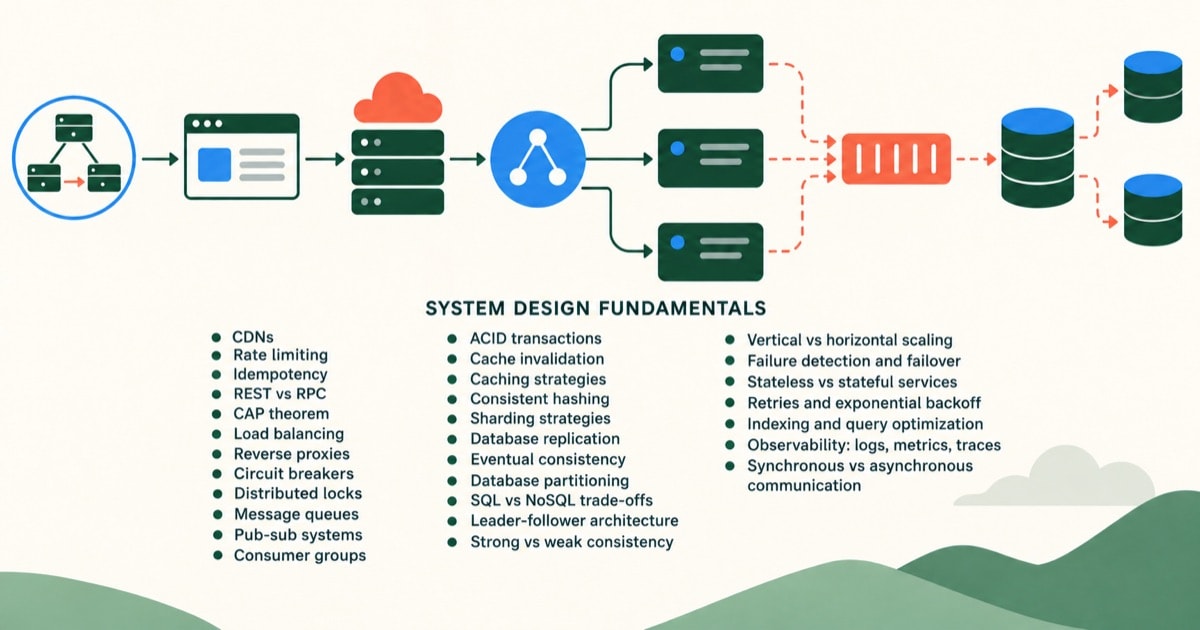
Quick summary Begin with requirements: Define the rules that must hold and the compromises the system can accept. Trace the request: Understand how traffic moves through caches, proxies, application instances and data stores. Design for uncertainty: Timeouts, stale replicas and delayed queues need explicit handling. Connect choices to outcomes: The ticketing example makes payment safety, […]